
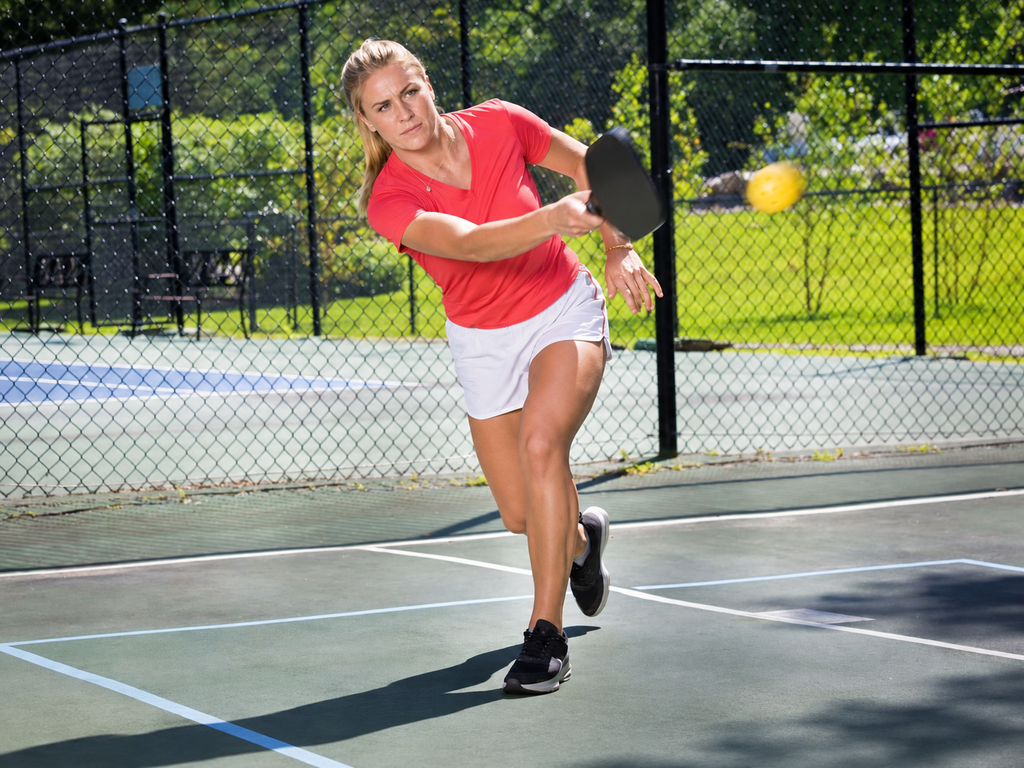
Pickleball is a paddle sport in which players send a lightweight perforated plastic ball back and forth across a net. It can be played indoors or outdoors and as either singles or doubles. Players use solid paddles on a compact rectangular court that includes a non-volley zone, commonly called the kitchen, on each side of the net.
At its simplest, pickleball is an exchange between opponents. One side puts the ball into play with a serve. The opponents return it, and the rally continues as the ball travels from one side of the net to the other. Eventually, one side wins the rally because the other side cannot make a legal return or commits a fault.
That description sounds simple, but it gives you the basic mental picture you need when watching or joining a pickleball game. The purpose at this stage is to recognize what is happening during play and what each player is generally trying to accomplish before focusing on the physical skills themselves. This orientation-first approach is part of the course design for true beginners.
The Basic Shape of Pickleball
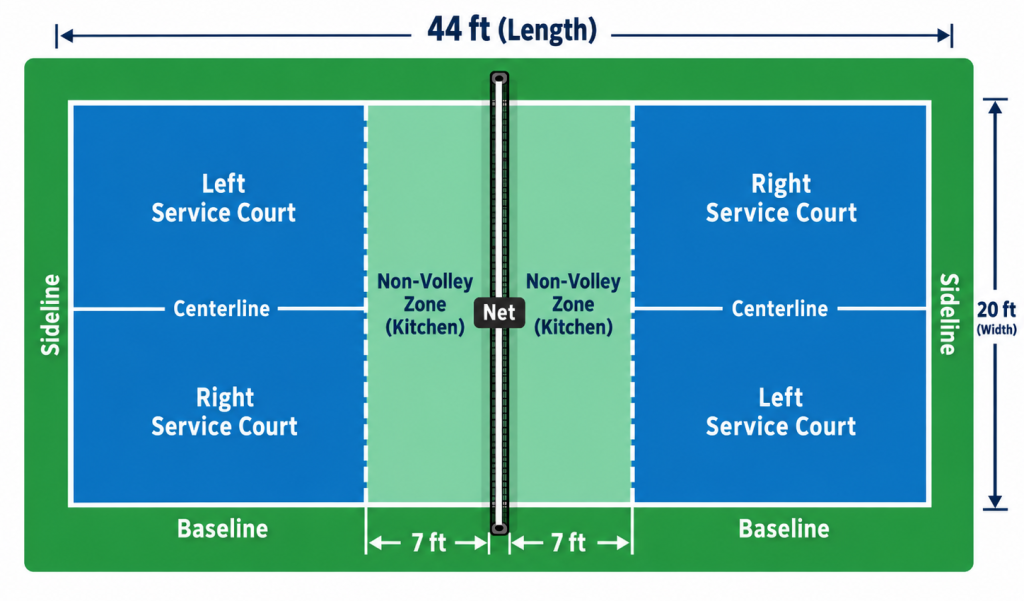
A pickleball court is divided by a net. Opponents occupy opposite ends of the court and attempt to send the ball over the net and into the playable area on the other side.
Players do this with a paddle rather than a strung racket. The ball is hollow, made of plastic and has holes through its surface. Because of the court size, equipment and rules, pickleball develops a distinctive combination of slower exchanges, quick reactions, controlled shots and occasional faster attacks.
The official court is 20 feet wide and 44 feet long, with the same basic dimensions used for singles and doubles. Each side of the net also contains a seven-foot non-volley zone.
You do not need to think of pickleball as a smaller version of another racket sport. Some movements and ideas may look familiar if you have watched tennis, badminton or table tennis, but pickleball has its own equipment, court areas, terminology and patterns of play.
A typical rally can include balls that bounce before they are hit as well as balls contacted before they bounce. You may see players exchange firmer shots from farther back, make compact contacts near the net or use softer shots that land short. Those different actions are all part of the same basic objective: send a playable ball to the opponent while making the opponent’s next response increasingly difficult.
What a Rally Is?
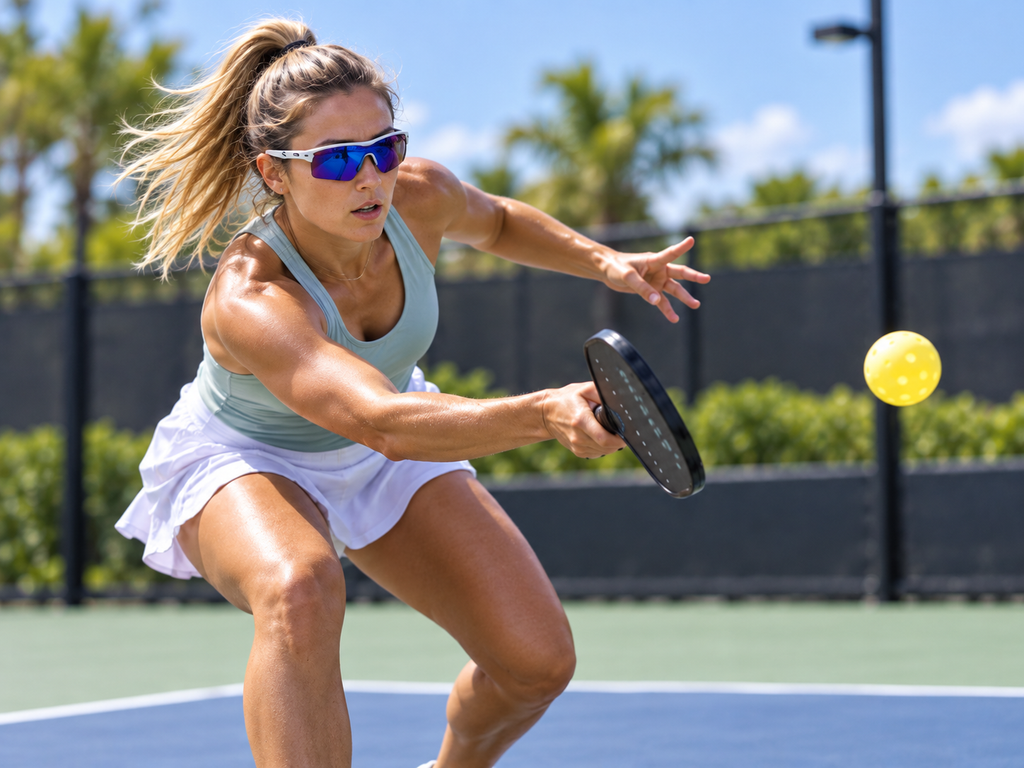
The rally is the basic unit of action in pickleball.
A rally begins when the ball is served and continues while the players legally return the ball across the net. During that exchange, the ball may travel only a few times across the net or may be returned many times.
Imagine four recreational doubles players standing on the court. One player begins the rally with a serve. A player on the opposite team returns the ball. The serving team sends it back. The exchange continues.
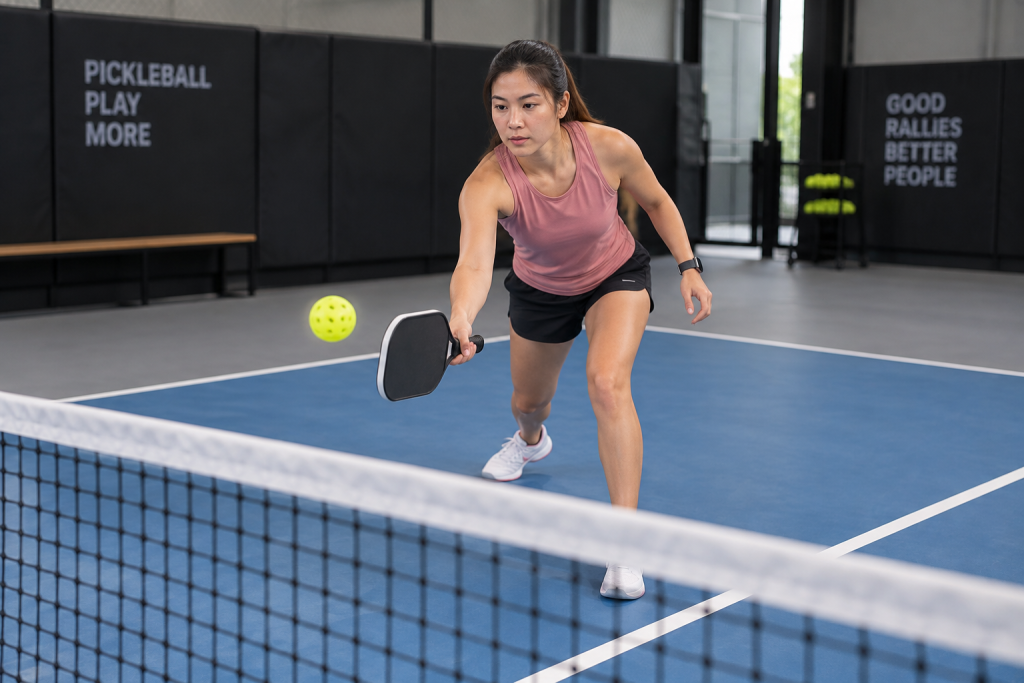
At some point, one player might hit the ball into the net. A ball might land outside the court. A player might fail to return the ball before it bounces twice. Another type of fault might occur. When something ends the live exchange, the rally is over.
The players then stop, prepare for the next rally and begin again.
This repeated cycle gives pickleball its basic rhythm:
A rally starts, the ball is exchanged, the rally ends, the players reset and another rally begins.
Recognizing that rhythm makes a game much easier to follow.
What Players Are Trying to Accomplish
During competitive play, players are not simply trying to hit the ball back and forth for as long as possible. They are trying to win rallies while avoiding errors of their own.
That usually requires two things at the same time: keeping the ball playable and making the opponent’s next shot difficult.
A successful shot therefore does not have to be spectacular. It simply needs to contribute to the rally in a useful way.
A player might send the ball into open court so an opponent has to move. Another shot might stay relatively low, making an aggressive reply more difficult. A softer shot might reduce the opponent’s ability to attack. A firmer ball might place the opponent under time pressure. Sometimes the best choice is simply a controlled return that stays safely in play.
This is an important distinction for beginners because it changes what successful pickleball looks like.
You are not required to hit a winning shot every time you touch the ball.
Many rallies develop over several contacts. Players may first try to keep the ball under control, improve their position or create a more favorable situation. Only when an appropriate opportunity appears might they attempt a more demanding shot.
The objective is therefore broader than simply hitting hard.
Good pickleball combines control, placement, consistency, movement, patience and the ability to recognize an appropriate opportunity.
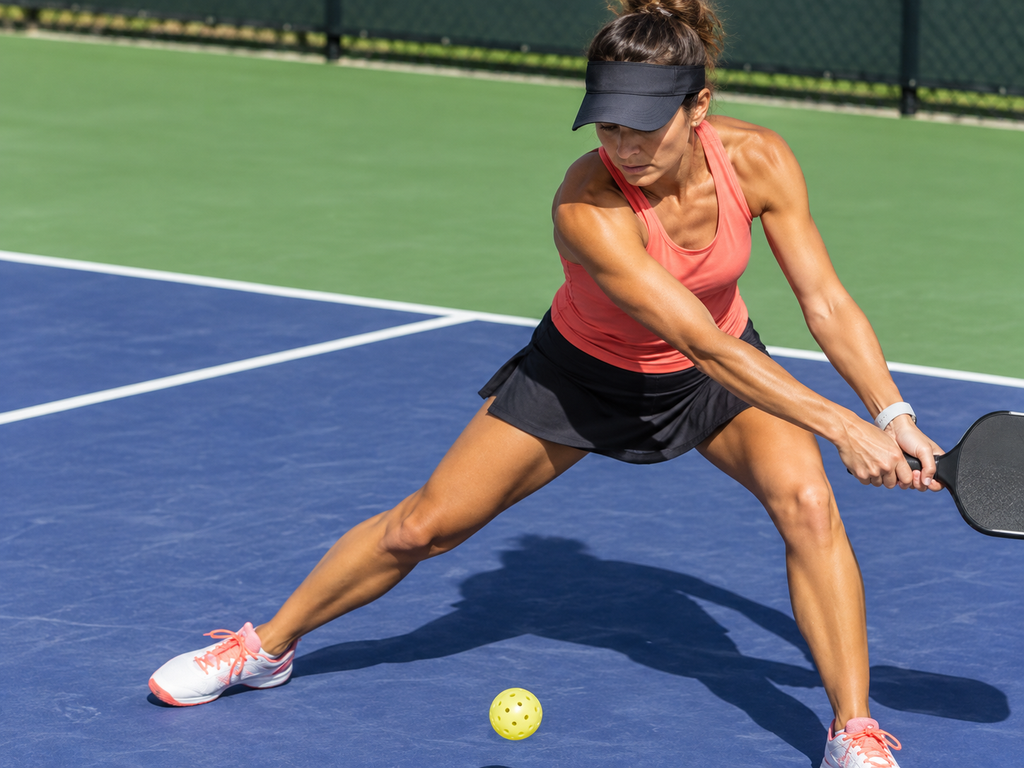
Keeping the Ball in Play Matters
One of the easiest beginner mistakes to understand is the temptation to treat every ball as an opportunity to hit a winner.
Suppose your opponent sends you a comfortable ball. You swing as hard as possible because you want to end the rally immediately. The ball travels beyond the baseline.
Your opponent did not have to make another shot. Your own attempt ended the rally.
Now consider the same situation with a controlled response. You send the ball comfortably over the net and well inside the court. Your opponent must play another ball. The rally continues, giving you another opportunity to create difficulty.
This does not mean that pickleball is only about safely returning the ball. Players do try to put opponents under pressure. The important idea is that pressure is useful only when you can still control the ball well enough to keep it playable.
For a beginner, this makes consistency valuable. A controlled ball that forces the opponent to make another decision is often more useful than a powerful ball that you cannot reliably keep in the court.
Making the Opponent’s Next Shot More Difficult
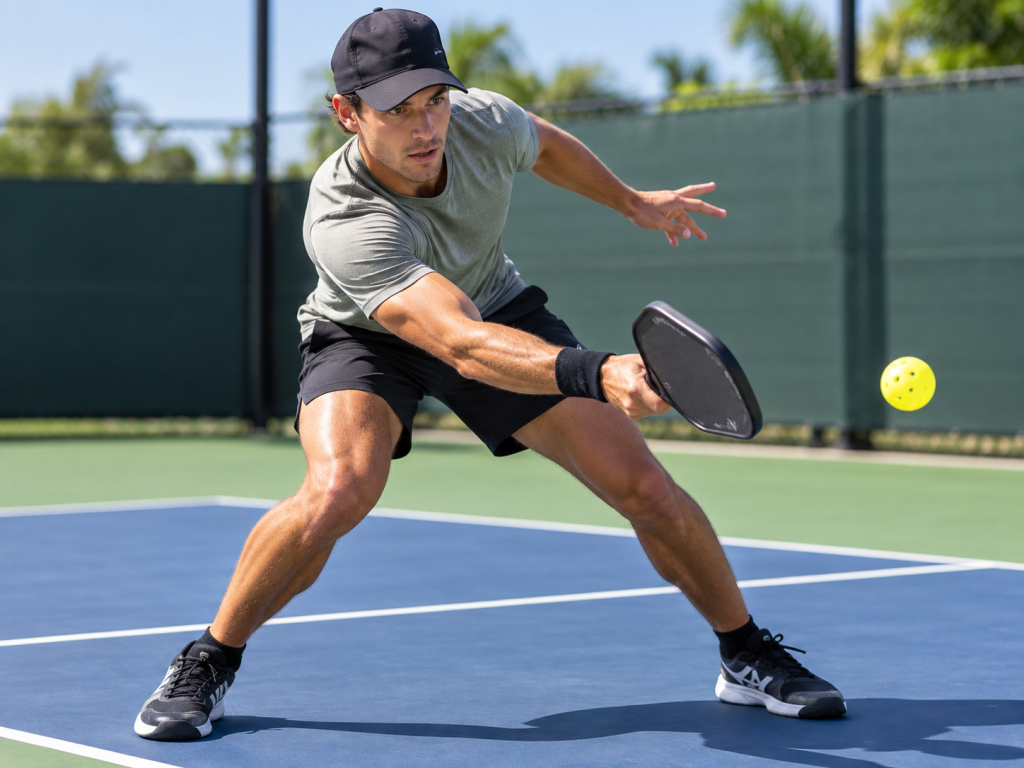
Once you understand the importance of keeping the ball in play, the other half of the objective becomes easier to see.
Players are also trying to prevent opponents from receiving comfortable balls.
Imagine an opponent standing toward one side of the court. Sending the ball into the larger open space may force that player to move before making contact.
If an opponent is already off balance, another controlled ball may make recovery difficult.
If the ball stays low after crossing the net, the opponent may have fewer comfortable attacking options.
If the ball arrives quickly, the opponent may have less reaction time.
These examples explain why pickleball is not simply a contest of who can hit the hardest. The location, height, speed and type of ball all influence what the opponent can do next.
Experienced players may use these factors in sophisticated ways. As a beginner, the important concept is much simpler: try to return the ball reliably while gradually making your opponent’s task less comfortable.
Why Some Pickleball Rallies Look Fast and Others Look Slow
When you first watch pickleball, the pace may seem inconsistent.
One rally may contain several quick exchanges. Another may contain slower, softer balls that barely clear the net. A player might hit a firm shot and then use a much gentler shot only seconds later.
That variation is normal.
The compact court allows opponents to exchange certain balls very quickly, particularly when players are relatively close to one another. At other times, softer placement can be more useful than speed.
The non-volley zone also contributes to pickleball’s distinctive character. USA Pickleball identifies the seven-foot area on each side of the net as the non-volley zone or kitchen, and specific rules affect volleying around this area.
For this orientation, simply recognize the kitchen as an important and distinctive part of the court. When you watch experienced players, you will often see considerable activity near its boundary.
The combination of the compact court, the kitchen and the ball’s characteristics helps produce a game in which control and touch can matter alongside pace.
Bounce Shots and Volleys
Another useful feature to recognize when watching pickleball is the difference between hitting after a bounce and hitting before the ball bounces.
When the ball first touches the court and is then struck, the player is playing it after the bounce.
When a player contacts the ball in the air before it touches the court, that shot is a volley.
Both types of contact commonly appear during pickleball rallies. However, players cannot simply volley every ball whenever and wherever they choose. Pickleball includes rules governing the beginning of a rally and the non-volley zone.
For now, the useful observation is simply that rallies can contain both bounced shots and volleys.
Watch several exchanges and you may notice the pattern changing naturally. A player farther from the net may allow the ball to bounce. Later, players closer to the net may exchange balls before the bounce. A softer ball may cause someone to wait for the bounce again.
Recognizing these basic differences will make the game much easier to understand visually.
A Game Is Made of Repeated Rallies
A complete pickleball game consists of repeated rallies rather than one continuous exchange.
After each rally finishes, the players reset and another serve begins the next one.
Remember:
The result of the rally affects the game according to the scoring format being used. The SPS course uses traditional side-out scoring as its primary framework, while recreational groups may sometimes agree to use another format.
You do not need the score to understand the basic flow of play. From an observational standpoint, the important pattern is straightforward: serve, rally, rally ending, reset and another serve.
If you can identify those stages while watching a game, the action will begin to look organized rather than random.
Pickleball Can Be Cooperative or Competitive
Not every exchange of the ball has the same purpose.
During practice, two players may deliberately try to keep the ball going. They might hit comfortable balls to one another because the objective is repetition rather than winning the rally.
During a game, the relationship changes. Players still need control, but they are opponents. Each side tries to create a situation in which the other side eventually cannot make a legal return.
This difference explains why you may see a beginner drill that appears very gentle and cooperative even though actual games are competitive.
Cooperative practice develops the ability to control the ball.
Competitive play asks the player to use that control while dealing with an opponent who is trying to create problems.
Both can look like rallies, but the intention is different.
Singles and Doubles Share the Same Basic Objective
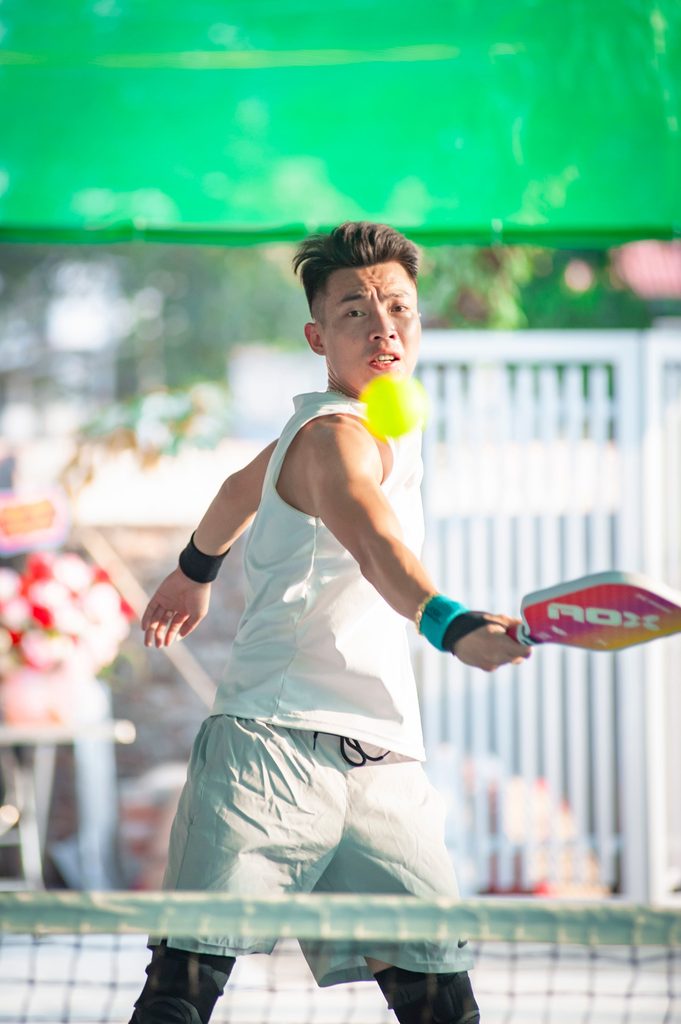
Pickleball can be played with one player on each side of the net or with two players on each side. USA Pickleball recognizes both singles and doubles play.
The basic objective remains the same: return the ball legally, keep your own shots playable and make the opponents’ response difficult enough that your side eventually wins the rally.
The visible demands can differ because the number of players changes.
In singles, one player is responsible for covering that side of the court.
In doubles, two teammates share the space and must function together during play.
You may therefore notice more communication and shared movement in doubles, while singles places greater court-covering responsibility on one player.
The essential game, however, remains recognizable in either format: opponents separated by a net exchanging the ball until the rally ends.
What Successful Beginner Play Looks Like
A beginner does not need to produce advanced shots for a rally to be successful.
Consider a simple recreational exchange.
The rally begins. The ball reaches you after a bounce. You return it over the net and comfortably inside the court. Your opponent sends it back. You move enough to reach the next ball and return it again. Eventually, your opponent sends a ball into the net.
Nothing extraordinary happened.
You did not hit a spectacular winner. You did not overpower anyone. You simply stayed involved in the rally long enough for the opponent to make the first error.
That is real pickleball.
In another rally, you might make the error instead. That is equally normal. Players continuously alternate between successful returns, difficult situations and mistakes.
For a new player, the immediate challenge is therefore not to imitate advanced players. It is to understand the exchange well enough that you can recognize what the ball, the players and the rally are doing.
Common Beginner Confusion
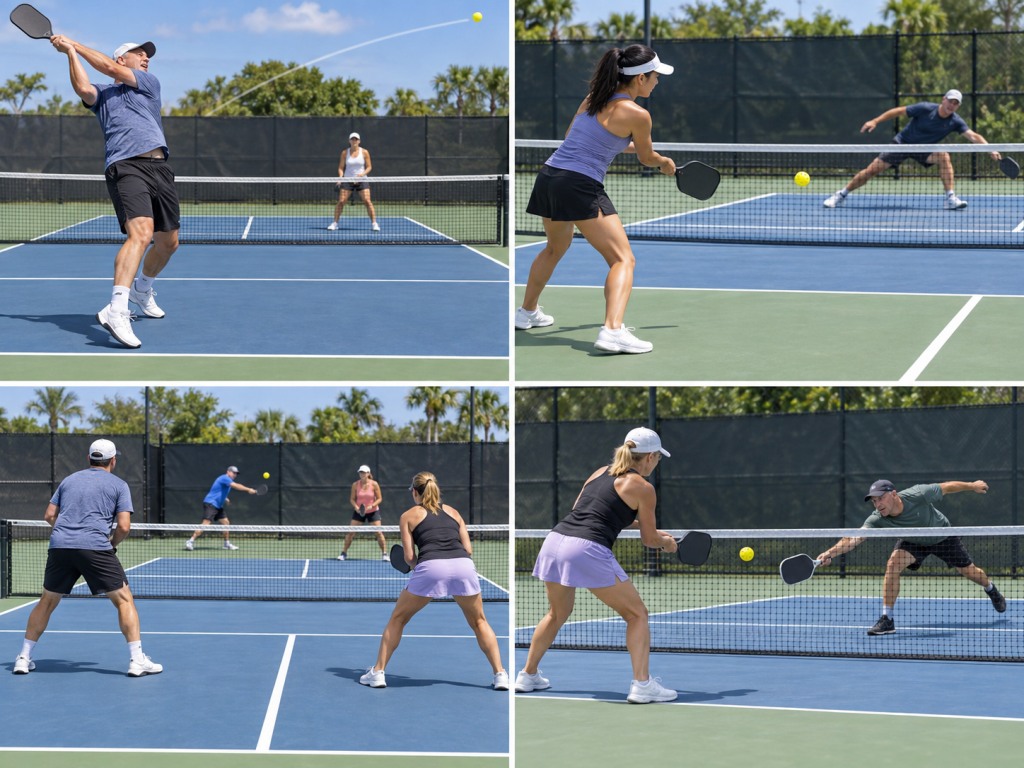
One common misunderstanding is that pickleball is mainly about hitting the ball hard. Pace can certainly be useful, but a hard shot that misses the court accomplishes very little. Control gives the opponent another problem to solve.
Another misunderstanding is that a long rally automatically means better competitive play. In practice, deliberately maintaining a rally can be useful. In a game, however, players are trying to win the rally rather than preserve it indefinitely.
Some beginners also expect every point to look similar. Pickleball changes rapidly. Players may be farther from the net during one part of an exchange and much closer during another. The pace may change from firm to soft and back again.
Finally, do not judge a shot only by how impressive it looks. A quiet, controlled ball that creates difficulty can be more effective than a dramatic swing.
The useful question when watching pickleball is not simply, “How hard was that shot?”
Ask instead: “What did that shot make the opponent deal with?”
Observation Activity: Follow One Rally at a Time
Watch several minutes of recreational pickleball, either in person or on video. Do not try to analyze technique. Choose one rally at a time and follow its basic structure.
First, identify the serve that begins the rally. Follow the ball each time it crosses the net. Notice whether each player contacts the ball after a bounce or before the bounce. Continue watching until the rally ends.
Then identify what ended it.
Did the ball fail to cross the net? Did it land outside the playable court? Did a player fail to return it? Did you notice another fault?
Repeat the observation for at least ten rallies.
After that, watch the rallies again from a different perspective. Instead of following only the ball, consider what each player seems to be trying to accomplish. Notice when a player appears to be keeping the ball safely in play, when someone sends an opponent toward open space and when the pace becomes faster or softer.
You are not evaluating whether the players made the perfect choice. The objective is simply to recognize that every shot affects what happens next.
If you can watch a rally and identify how it started, how the ball was exchanged, what the players were generally trying to accomplish and why the rally ended, you have a useful basic picture of how pickleball works.
Summary
Pickleball is a paddle sport played across a net with a solid paddle and perforated plastic ball. Players may compete in singles or doubles, indoors or outdoors. Each rally begins with a serve and continues as opponents exchange the ball until one side cannot make a legal return or another fault ends the rally.
Players generally try to keep their own shots playable while making the opponent’s next response more difficult. That may involve control, placement, pace or softer play rather than simply hitting as hard as possible. Pickleball rallies can include both bounced shots and volleys, and the non-volley zone is one of the court features that gives the sport its distinctive pattern of play.