
In This Guide
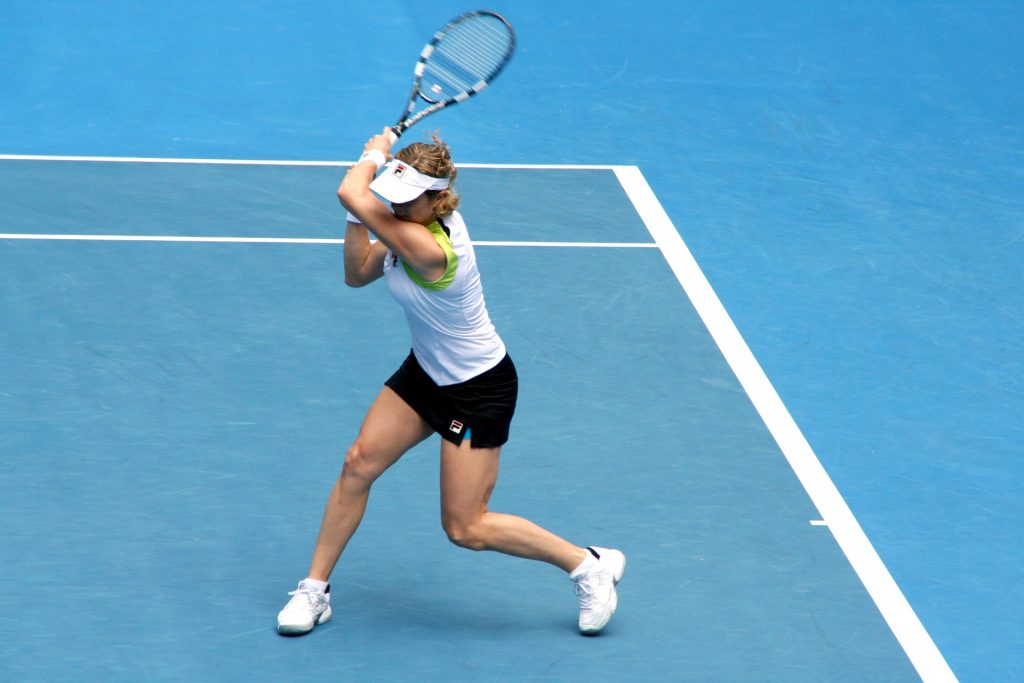
Tennis is more than hitting a ball back and forth across a net. It combines movement, coordination, strategy and competition in a way that can make exercise feel less like a workout and more like a game.
You also don’t need to be an experienced athlete to enjoy it. Tennis can be played recreationally, competitively, with friends or simply as a way to stay active.
If you’re considering picking up a racquet, here are some of the biggest reasons tennis can be a rewarding sport to learn.
Quick Answer
Tennis can help you stay physically active, improve coordination, develop balance and agility and challenge your mind through strategy and decision-making. It can also be a social activity and a sport you can continue enjoying at different ages and skill levels.
You don’t need to become a competitive player to experience these benefits. Even recreational tennis can give you a reason to move, learn and spend time with other people.
1. Tennis Gives You a Full-Body Workout
A tennis match involves much more than your racquet arm.
You’re constantly using your legs to move around the court, your core to stabilize your body and your upper body to control and generate your shots.
During a typical rally, you might:
- Move forward and backward
- Shuffle from side to side
- Accelerate toward the ball
- Stop and change direction
- Rotate your body while hitting
- Recover into position for the next shot
This combination makes tennis an engaging way to stay active because the movement has a purpose: you’re trying to reach the next ball.
For many recreational players, that’s part of the appeal. Instead of counting repetitions or watching the clock, you’re concentrating on the game.
2. It Can Improve Cardiovascular Fitness
Tennis involves repeated periods of movement followed by short periods of recovery.
A point might require several quick movements around the court before players briefly reset for the next one. Over the course of a session, these repeated efforts can provide a cardiovascular workout.
Singles generally requires more court coverage because one player must cover their entire side of the court.
Doubles can involve less running, but it still requires movement, reactions and positioning.
How demanding a tennis session becomes depends on factors such as your playing level, rally length, court surface and whether you’re playing singles or doubles.
That also means you can adjust how intensely you play as your fitness improves.
3. Tennis Develops Coordination
One of the first challenges beginners discover is that hitting a moving tennis ball isn’t as simple as it looks.
You need to judge:
- Where the ball is going
- How fast it’s traveling
- Where it will bounce
- When to begin your swing
- Where your racquet needs to meet the ball
Your eyes, feet, hands and body all have to work together.
Beginners won’t get this right every time—and that’s normal.
As you practice, tracking the ball and coordinating your movement with your swing can become more natural.
4. It Builds Balance and Agility
Tennis rarely lets you stand in one place.
You need to move toward the ball, prepare your body, hit the shot and then recover for whatever comes next.
This requires balance and the ability to change direction efficiently.
Learning tennis footwork can help you become more comfortable with movements such as lateral steps, quick adjustments and controlled changes of direction.
These aren’t just advanced tennis skills. They’re part of the fundamentals you’ll begin developing from your first few sessions.
5. Tennis Challenges Your Mind
Physical ability is only part of tennis.
Every point involves decisions.
Where should you hit the ball?
Should you play safely or attempt a more aggressive shot?
Where is your opponent standing?
What type of shot are they likely to hit next?
As your skills improve, you start thinking beyond simply getting the ball over the net.
You begin recognizing patterns, anticipating shots and making tactical decisions.
That’s one reason tennis can remain interesting for years: improving your technique creates new strategic possibilities.
6. You Can Measure Your Progress
Learning tennis gives you plenty of small milestones to work toward.
Your first goal might simply be making clean contact with the ball.
Then perhaps you want to:
- Rally five times without missing
- Develop a consistent forehand
- Get more serves into the service box
- Improve your backhand
- Play your first complete game
- Win your first match
Progress doesn’t have to mean winning tournaments.
For beginners, improvement can simply mean doing something today that you couldn’t do a few weeks ago.
Those small wins can make practicing more rewarding.
7. Tennis Can Be Social
Tennis can be competitive, but it can also be highly social.
You can play casually with a friend, join group lessons, participate in local clubs or play doubles with three other people.
The sport naturally gives people something to do together.
You don’t necessarily have to play matches either. Two people can simply rally and practice without keeping score.
For someone looking for both exercise and social interaction, that flexibility can make tennis appealing.
8. You Can Play Singles or Doubles
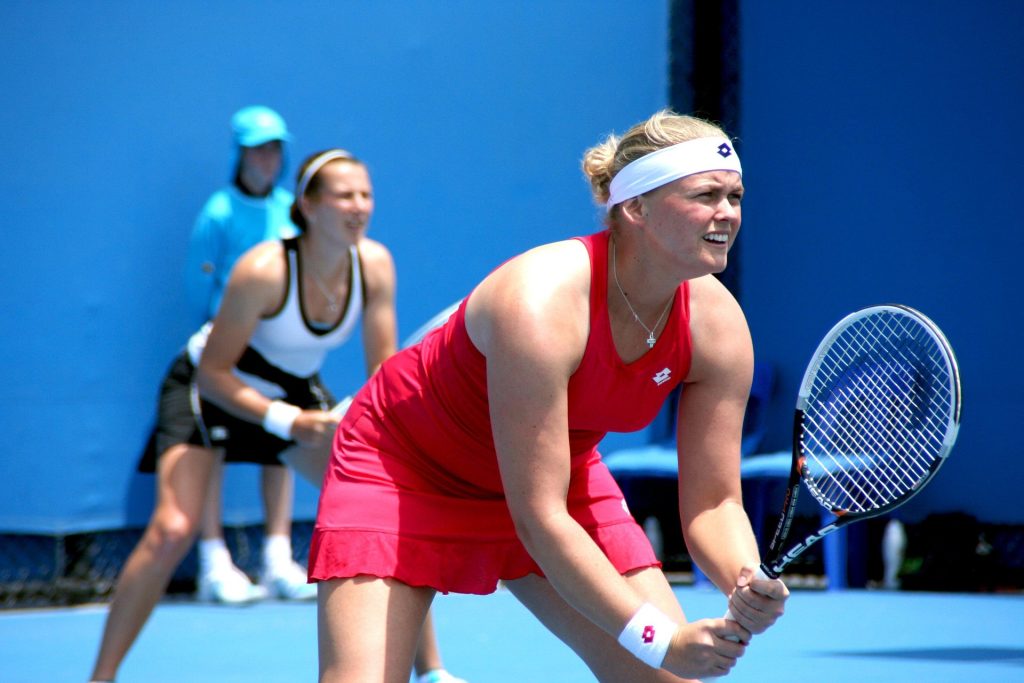
Another advantage of tennis is having different ways to play.
Singles
One player competes against another.
You’ll cover more of the court yourself, making singles generally more physically demanding.
Doubles
Two players compete on each side.
Doubles introduces teamwork, communication and different positioning strategies.
You may discover that you strongly prefer one format—or enjoy both for completely different reasons.
9. Tennis Offers Continuous Learning
Tennis is relatively straightforward to understand: hit the ball over the net and keep it inside the court.
Mastering it is another matter.
As you improve, there is always another area to work on:
- Forehand
- Backhand
- Serve
- Volley
- Footwork
- Spin
- Placement
- Consistency
- Strategy
- Match play
That makes tennis particularly rewarding for people who enjoy developing skills over time.
You can start as a complete beginner while still having years of potential improvement ahead of you.
10. Tennis Can Be a Lifelong Sport
You don’t have to play tennis at maximum intensity to enjoy it.
People can adapt how they play based on their age, experience, fitness and goals.
A competitive singles match can be physically demanding, while recreational doubles can offer a different pace and experience.
The goal doesn’t always have to be playing harder or becoming more competitive.
Sometimes it’s simply continuing to play and enjoy the game.
Do You Need to Be Fit Before Starting Tennis?
You don’t need a particular athletic background to begin learning recreational tennis.
You can start with basic strokes, shorter practice sessions and simple rallies while gradually becoming more comfortable moving around the court.
If you’re completely new, don’t judge your experience by what experienced players are doing.
Your first goal isn’t to play a perfect match.
It’s to learn how to hit the ball, move around the court and enjoy practicing.
Is Tennis Difficult to Learn?
Tennis has a learning curve.
Controlling a racquet while judging a moving ball requires timing and coordination, so beginners should expect missed shots.
That’s part of learning.
You don’t need a powerful serve or perfect technique before you can enjoy playing. Start with basic strokes and simple rallies, then develop your skills one at a time.
What Do You Need to Get Started?
You don’t need an enormous amount of equipment to try tennis.
For most beginners, the essentials are:
- A tennis racquet
- Tennis balls
- Comfortable tennis or court shoes
- Access to a court
If you’re unsure what to buy, avoid spending heavily before you’ve played enough to understand what you actually need.
A suitable beginner setup is enough to start learning.
Tennis Is About More Than Winning
One of the easiest mistakes new players can make is measuring their progress only by whether they win.
There’s much more to enjoy.
A better rally than last week is progress.
Getting your serve consistently into the service box is progress.
Moving to the ball more naturally is progress.
And sometimes simply getting outside, playing with someone and enjoying an hour on the court is enough.
Tennis gives you fitness, skill development, strategy, competition and social interaction in the same activity.
You don’t have to become an exceptional tennis player to benefit from playing.
You just have to start.
Ready to Start Playing Tennis?
Now that you know what tennis has to offer, take the next step. Explore the fundamentals, learn essential skills and follow our step-by-step Tennis Learning Path designed for beginners.