
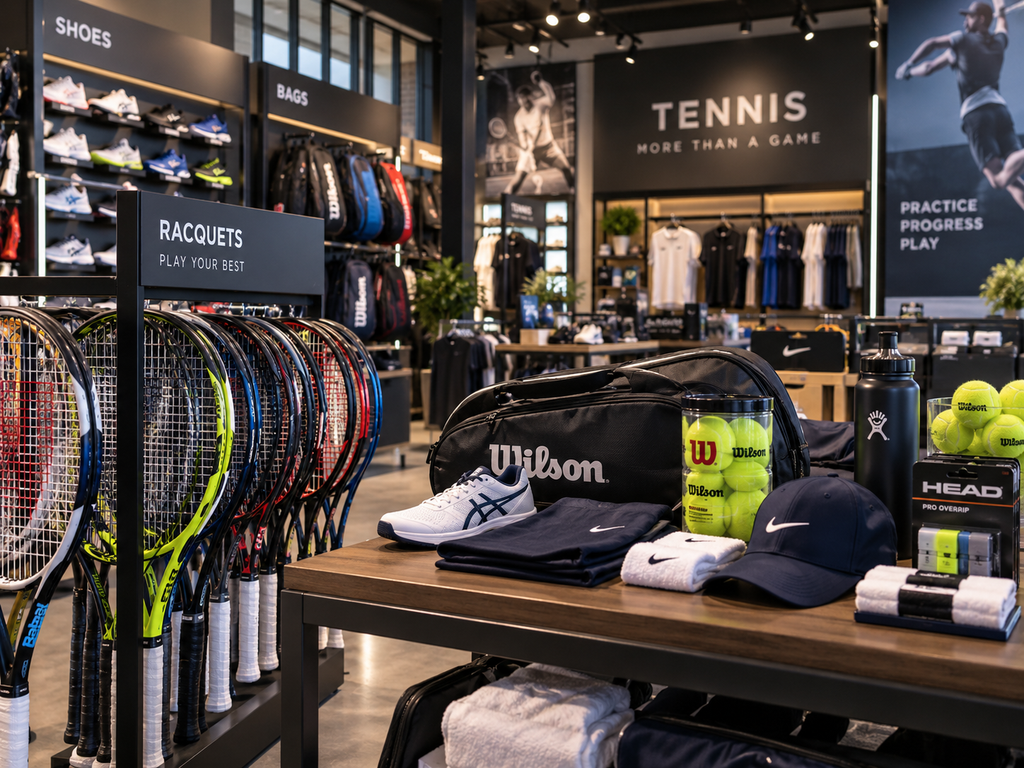
Choosing sports equipment as a beginner can be more complicated than it first appears. Stores and online marketplaces are filled with products promising more speed, power, control, comfort, or performance, but beginners rarely need the most advanced equipment available.
The best beginner gear should make the sport easier to learn, comfortable to practice, and appropriate for the player’s current ability. Equipment should support development rather than create unnecessary difficulty.
That is why beginner gear should be evaluated according to usability, performance, individual player needs, and the type of playing experience the equipment is designed to support.
This guide explains the factors that matter most when choosing equipment as a new player.
What Makes Gear Beginner-Friendly?
Beginner-friendly equipment is not simply cheaper equipment.
A good beginner product should help a new player participate comfortably while allowing them to concentrate on learning basic skills.
Depending on the sport, that may mean equipment that is easier to control, more forgiving of mistakes, comfortable during longer practice sessions, or simpler to adjust and maintain.
Beginner gear should generally offer a balance between:
- Ease of use
- Reliable performance
- Comfort
- Durability
- Appropriate sizing or fit
- Reasonable cost
- Room for improvement
The goal is not to find equipment that does everything. It is to find equipment that helps the player learn without creating additional problems.
Start With Usability
Usability is one of the most important factors for beginner equipment.
New players are already learning unfamiliar movements, rules, positioning, timing, and techniques. Equipment that requires advanced skill to use effectively can make that learning process unnecessarily difficult.
Beginner gear should feel manageable.
For example, depending on the sport, beginners may benefit from equipment that is:
- Easier to swing or move
- Easier to control
- More forgiving when contact is imperfect
- Comfortable to hold
- Simple to adjust
- Easy to put on and remove
- Straightforward to maintain
Complexity is not automatically an advantage.
A product with numerous adjustments or specialized features may be useful for an experienced athlete who understands exactly what they need. For a beginner, those same features can create confusion without improving the playing experience.
Simple, dependable equipment is often the better starting point.
Performance Still Matters
Beginner equipment should be easy to use, but that does not mean performance should be ignored.
Poor-quality equipment can make learning harder.
A beginner should be able to trust that the equipment behaves reasonably consistently. If a product performs unpredictably, wears out quickly, or makes basic movements unnecessarily difficult, the player may struggle to determine whether the problem is technique or equipment.
Good beginner gear should provide enough performance for the player to develop proper fundamentals.
That does not mean beginners need professional-level equipment. Instead, look for products that deliver dependable performance without requiring advanced skill to take advantage of them.
The ideal balance is equipment that performs well enough to support progress while remaining accessible to someone still learning the sport.
Consider the Player’s Needs
There is no single piece of equipment that is perfect for every beginner.
Two people starting the same sport may need different equipment because of differences in:
- Height
- Strength
- Age
- Mobility
- Hand size
- Foot size
- Playing frequency
- Fitness level
- Previous sports experience
- Personal comfort
Fit and comfort can be especially important.
Equipment that is too heavy, too long, too stiff, too tight, or otherwise unsuitable for the individual can interfere with technique and make practice uncomfortable.
Beginners should therefore avoid choosing equipment purely because another player recommends it.
A product may work extremely well for one person and still be a poor match for someone else.
Think About How You Plan to Play
The type of experience you want from a sport should also influence your equipment choices.
Someone playing casually once or twice a month may have very different needs from someone planning to practice several times per week.
Consider where and how you expect to use the equipment.
Ask yourself questions such as:
- Will I mainly practice or compete?
- Will I play indoors, outdoors, or both?
- How often will I use the equipment?
- Will I need to transport it frequently?
- Will I play recreationally or train seriously?
- Will I share the equipment with someone else?
- Do I expect to continue playing long term?
These questions can prevent you from paying for features you may never use.
For occasional recreational players, simplicity and durability may matter more than maximum performance.
A player who plans to train regularly may benefit from slightly higher-quality equipment that can continue supporting them as their skills improve.
Fit Should Come Before Features
Many beginners become distracted by technical specifications.
Weight, materials, technology, construction methods, and other features can matter, but proper fit should usually come first.
Footwear provides an obvious example.
A technically advanced shoe will not help much if it causes pressure points, slipping, or discomfort.
The same principle applies to equipment that is held, worn, swung, carried, or controlled.
Whenever possible, beginners should prioritize equipment that feels natural and allows comfortable movement.
Poorly fitted equipment can make technique more difficult and may discourage players from practicing.
Avoid Buying More Equipment Than You Need
One common beginner mistake is buying everything immediately.
New players often assume they need a complete collection of equipment before they can begin practicing properly.
Usually, they do not.
Start with the essential equipment required to participate safely and comfortably.
As you gain experience, you will understand your preferences more clearly.
You may discover that certain accessories are useful while others are unnecessary for the way you play.
Buying gradually also reduces the risk of spending money on equipment that you later realize does not suit you.
More Expensive Does Not Always Mean Better for Beginners
Premium sports equipment often includes advanced materials, specialized construction, additional adjustments, or performance characteristics designed for experienced players.
Those features can be valuable, but they may provide little benefit to someone still learning basic skills.
In some cases, advanced equipment can actually be harder for beginners to use.
A beginner should therefore evaluate value rather than price alone.
Ask whether the additional cost provides a meaningful benefit for your current ability.
A moderately priced product that is forgiving, comfortable, and reliable may be far more useful than an expensive product designed for advanced performance.
Extremely Cheap Equipment Can Also Be a Problem
Although beginners do not need premium equipment, choosing the cheapest available product is not always a good strategy either.
Very inexpensive equipment may compromise durability, comfort, consistency, or construction quality.
This becomes particularly important for products that receive frequent impact, support body weight, or are used repeatedly during practice.
Beginners should look for equipment that provides reasonable quality at an appropriate price.
The goal is value rather than simply minimizing cost.
Look for Forgiveness
Many types of sports equipment can be described as forgiving.
Forgiving equipment reduces the consequences of small mistakes.
For beginners, this can be extremely useful because inconsistent technique is normal while learning.
Depending on the sport, forgiving equipment might provide:
- A larger effective contact area
- Greater stability
- Easier control
- More predictable movement
- Additional cushioning
- Better balance
- Reduced vibration
- Less sensitivity to imperfect technique
Forgiveness allows beginners to focus on developing fundamentals rather than being punished severely for every small error.
As skill improves, players may eventually prefer equipment that provides more precision or specialized performance.
Weight Can Change the Experience
Equipment weight deserves careful consideration.
Heavier equipment can sometimes provide stability or power, but it may also be harder to control.
Very light equipment may be easier to move but may not provide the same stability.
The appropriate balance depends on the activity and the individual player.
Beginners should generally look for equipment they can handle comfortably throughout an entire practice session.
If the equipment becomes difficult to control as the player becomes tired, technique may begin to break down.
Comfortable control is usually more useful than choosing equipment simply because it is lighter or heavier.
Durability Matters for Regular Practice
Beginner equipment should be capable of handling repeated practice.
New players may unintentionally place equipment under additional stress because their movements are not yet consistent.
Durable construction helps equipment survive the learning process.
However, durability should be considered alongside cost.
Beginners do not necessarily need equipment designed to last for decades. They simply need something dependable enough to support regular use without failing prematurely.
If you expect to practice frequently, spending slightly more for better construction may be worthwhile.
Comfort Encourages More Practice
Comfort can directly affect how often someone wants to play.
Uncomfortable equipment can make a sport feel more difficult than it actually is.
Shoes that cause pain, grips that feel awkward, clothing that restricts movement, or protective equipment that fits poorly can quickly become distractions.
When comparing beginner equipment, pay attention to how the product feels during realistic movement rather than simply how it looks or feels while standing still.
A product that helps you practice comfortably for longer periods may contribute more to your development than equipment with impressive technical specifications.
Safety Equipment Should Not Be an Afterthought
Some sports require protective equipment, and beginners should take those requirements seriously.
Protective equipment may include items such as helmets, guards, padding, eyewear, or specialized footwear.
When safety equipment is required, proper fit and appropriate certification should take priority over appearance.
Damaged, poorly fitting, or inappropriate protective gear may provide less protection than expected.
Beginners should learn which safety equipment is recommended for their sport before purchasing optional accessories.
Reviews Can Help, but Context Matters
Product reviews can provide useful information, but beginners should understand who the reviewer is and how they use the product.
An experienced athlete may evaluate equipment based on characteristics that are less important to a new player.
Similarly, a casual player may value comfort and convenience more than competitive performance.
When reading reviews, look for comments from users with similar ability levels and goals.
Pay particular attention to repeated feedback regarding:
- Comfort
- Durability
- Sizing
- Ease of use
- Quality control
- Performance consistency
One negative review does not necessarily indicate a bad product, but repeated complaints about the same problem deserve attention.
Specifications Should Support Your Needs
Technical specifications can help compare products, but they should not become the only reason you choose something.
Different sports may list measurements such as:
- Weight
- Length
- Width
- Flexibility
- Material
- Grip size
- Cushioning
- Capacity
- Balance
- Construction type
These measurements become useful once you understand how they affect the playing experience.
Beginners should focus on specifications that influence usability and fit rather than chasing impressive numbers.
When Possible, Try Equipment Before Buying
Trying equipment can reveal information that specifications cannot.
Something that looks ideal online may feel uncomfortable in your hands or during movement.
When possible, test equipment at:
- Sporting-goods stores
- Training facilities
- Rental centers
- Demo events
- Clubs
- Lessons
- Friends’ practice sessions
Rental equipment can also be useful when trying a sport for the first time.
It allows you to gain experience before committing to a purchase.
After several sessions, you will usually have a much better idea of what you prefer.
Beginner Equipment Should Allow Room to Improve
Good beginner equipment should not become useless the moment your skills improve slightly.
Look for products that provide enough performance to continue supporting you through the early stages of development.
This does not mean trying to buy equipment for the player you hope to become several years from now.
Instead, choose equipment that works for your current ability while giving you some room to progress.
Replacing equipment should normally happen because your needs have genuinely changed, not simply because you are no longer a complete beginner.
Know When an Upgrade Makes Sense
Beginners often wonder when they should replace their original equipment.
An upgrade may be worthwhile when your current equipment:
- No longer fits properly
- Has become worn or damaged
- Limits your ability to perform a skill
- Does not match your developing technique
- Cannot support the way you now play
- Creates noticeable performance gaps
Improving skill does not automatically mean you need new equipment.
If your existing gear continues to perform reliably and supports your development, there may be no reason to replace it.
Technique usually produces greater improvements than frequent equipment changes during the beginner stage.
Build Your Gear Collection Gradually
Your understanding of equipment will improve as your experience increases.
After several weeks or months of playing, you will know much more about what feels comfortable and what features actually matter to you.
That is why building your equipment collection gradually is often the smartest approach.
Begin with the essentials.
Practice consistently.
Notice what is working and what is limiting you.
Then make additional purchases based on real experience rather than assumptions.
This approach usually leads to better equipment choices and less wasted money.
Choosing Beginner Gear With Confidence
The best beginner equipment is not necessarily the newest, most expensive, or most technologically advanced option.
It is equipment that helps you participate comfortably, learn fundamental skills, and enjoy the experience.
When evaluating products, prioritize usability, reliable performance, proper fit, comfort, durability, and how well the equipment matches your needs.
Avoid buying equipment simply because advanced players use it or because marketing promises immediate improvement.
Start with gear that makes learning easier.
As your skills develop, your understanding of equipment will develop with them, making future decisions much easier and more informed.