
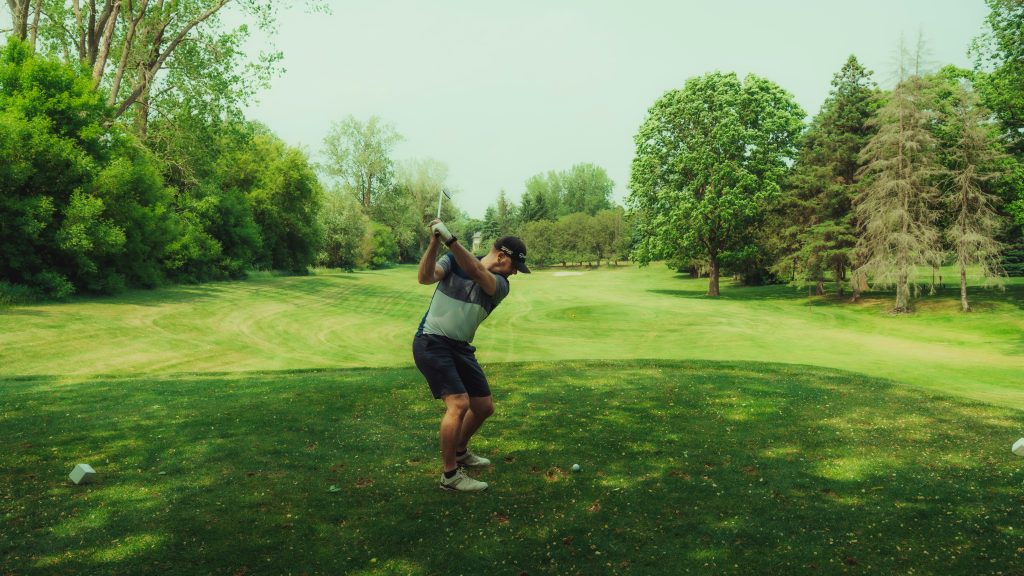
Why You Keep Chunking the Golf Ball
Few things in golf feel worse than making a swing with your iron and watching the club slam into the ground before the ball. The ball barely moves, a huge chunk of turf flies up, and you’re left wondering what went wrong.
Chunking the golf bal, often called hitting a “fat shot, is one of the most common contact issues golfers run into. It usually happens with iron shots and wedges, and it can make even a good swing feel frustrating.
The good news is that chunking the golf ball isn’t random. It usually comes down to a few simple mechanics in your setup and swing. Once you understand what causes it, you can start making small adjustments that lead to much cleaner contact.
In this guide, we’ll break down why golfers chunk their iron shots, what’s actually happening at impact, and a few simple fixes and drills that can help you start striking the ball more cleanly.
Jump To What You Need
Table of Contents
If you’re new to golf and want a basic guide on how to play golf check out our Beginner Guide to Golf
Or if you’re just looking for consistency in parts of your golf game see our How to Be Consistent in Golf section
If you want to see our full golf articles browse our full Golf Article Library Our Featured Articles include How to Swing a Golf Club, How to Hit Irons Consistently, and How to Stop Slicing the Golf Ball
Just looking for gear? Check out our shop breaking down products for specific play styles.
What Does “Chunking” the Ball Mean?
Chunking the ball happens when the club hits the ground before it reaches the ball. This is commonly referred to as a fat shot.
When this happens, the club digs into the turf and loses speed before it reaches the ball. The result is usually a very short shot that doesn’t travel anywhere near the intended distance.
You can often tell when you’ve chunked a shot because:
- A large divot appears behind the ball
- The ball travels only a short distance
- The contact feels heavy or dull
With solid iron shots, the club should strike the ball first and the turf second. The divot should appear slightly in front of where the ball was sitting.
Understanding that concept is key to fixing chunked shots.
Why Golfers Chunk (or Hit Fat) Iron Shots
There are a few common reasons golfers hit the ground before the ball. Most chunked shots happen because the lowest point of the swing occurs behind the ball instead of in front of it.
Here are three common causes.
Your Weight Stays on Your Back Foot
One of the most common reasons golfers chunk iron shots is that their weight stays too far on their back foot during the swing.
When your weight stays back, the lowest point of the swing moves behind the ball. That causes the club to hit the ground early.
Many golfers do this because they’re trying to help the ball into the air. Unfortunately, leaning back has the opposite effect and leads to poor contact.
Trying to Lift the Ball Into the Air
Another common cause is trying to scoop or lift the ball.
Irons are designed with loft to launch the ball into the air. When the club strikes the ball first with a downward strike, the loft naturally sends the ball upward.
When golfers try to lift the ball with their hands, the club bottoms out too early and strikes the ground before the ball.
Let the club do the work instead of trying to lift the ball.
Standing Too Far From the Ball
Standing too far away from the ball can also make it harder to strike the ball cleanly.
When golfers reach for the ball, the swing often becomes steeper and less balanced. This makes it difficult to control where the club bottoms out.
A good setup should allow your arms to hang naturally with the club resting comfortably behind the ball.
Simple Fixes That Help Most Golfers Stop Chunking Irons
Once you understand what causes chunked shots, the fixes are usually straightforward.
Small adjustments to your setup and swing can make a big difference in how consistently you strike the ball.
Start With Slightly More Weight on Your Lead Foot
A helpful adjustment is starting with slightly more weight on your lead foot.
For a right-handed golfer, that means about 55–60% of your weight on your left foot at address.
This setup encourages the club to strike the ball before the turf and helps move the low point of the swing forward.
Focus on “Ball First, Then Turf”
A simple swing thought can help improve your contact immediately.
Instead of trying to help the ball into the air, focus on striking the ball first and then the turf.
With solid iron shots, the club compresses the ball against the ground and then continues downward into the turf. Seeing a divot after the ball is a sign of a clean strike.
Stay Centered and Rotate Through the Shot
Many golfers chunk shots when they sway off the ball during the swing.
Instead of sliding away from the target, try to stay centered and rotate your body through the swing.
Turning your chest toward the target helps move the bottom of your swing forward and encourages better contact.
Two Drills That Help Stop Chunking Iron Shots
Practicing the right drills can help you build better contact quickly.
These drills provide immediate feedback and help train the correct strike.
The Towel Behind the Ball Drill
This is one of the simplest drills for improving iron contact.
Place a small towel or headcover about 2–3 inches behind the ball on the ground.
Your goal is to strike the ball without touching the towel.
If the club hits the towel first, it means the club bottomed out too early and you likely chunked the shot.
This drill trains you to move the bottom of your swing forward so the club contacts the ball first.
Lead-Side Pressure Drill
This drill helps you feel how weight should move through the swing.
Start by setting up to the ball with slightly more pressure on your lead foot. From there, make slow half swings while keeping that pressure forward.
Focus on making clean contact with the ball before the turf.
As you get comfortable with the feeling, gradually increase the length and speed of your swing.
Why Chunking Often Happens With Wedges
Chunking can also happen frequently with wedge shots, especially on shorter approach shots.
Many golfers become cautious with wedges and start slowing down their swing or trying to guide the ball toward the target.
This often causes the club to bottom out early.
Shorter wedge shots still require a confident strike and good body rotation through the ball.
How to Stop Chunking Wedge Shots
Fixing chunked wedge shots usually comes down to maintaining good fundamentals.
Keep a few things in mind when hitting wedge shots.
Keep Your Weight Slightly Forward
Just like with iron shots, keeping your weight slightly forward helps promote better contact.
Short wedge shots often work best with even more pressure on the lead foot.
Maintain Speed Through the Ball
One of the biggest mistakes golfers make with wedges is slowing down during the swing.
Deceleration makes it difficult to control the bottom of the swing and often leads to fat shots.
Commit to the swing and maintain smooth acceleration through impact.
Let the Loft Do the Work
Wedges are designed to launch the ball into the air.
You don’t need to scoop the ball or try to lift it.
Focus on making solid contact and allowing the loft of the club to create the height.
Clean Contact Comes From Controlling the Low Point
Every golf swing has a lowest point in the arc of the swing.
When golfers hit fat shots, the lowest point of their swing occurs behind the ball instead of in front of it.
Solid iron shots happen when the low point moves slightly in front of the ball, allowing the club to strike the ball first and then the turf.
Once you understand this concept and begin controlling where the club bottoms out, clean contact becomes much more consistent.
Frequently Asked Questions
Why do I keep hitting fat shots with my irons?
Fat shots happen when the club strikes the ground before the ball. This usually occurs because the lowest point of the swing happens behind the ball instead of in front of it. Golfers often hit fat shots when their weight stays on the back foot, when they try to scoop the ball into the air, or when the swing path bottoms out too early.
Why do I chunk my irons but not my driver?
Iron shots are designed to strike the ball with a downward angle of attack, meaning the club should hit the ball before the turf. If the bottom of the swing happens too early, the club hits the ground first and the shot is chunked. A driver is hit on a shallower angle and teed up, so it is much harder to chunk.
Does swinging too hard cause chunked shots?
Swinging too hard doesn’t automatically cause chunked shots, but it can make them more likely. When golfers try to hit the ball harder, they often lose balance or start the downswing incorrectly, which can move the lowest point of the swing behind the ball. Maintaining balance and good sequencing is more important than swinging harder.
Should I move the ball back in my stance to stop chunking it?
Moving the ball slightly back in your stance can sometimes help improve contact with irons, but it’s usually not the main solution. Chunked shots are more commonly caused by weight staying on the back foot or the club bottoming out too early. Improving your weight shift and focusing on striking the ball first usually produces better results.