
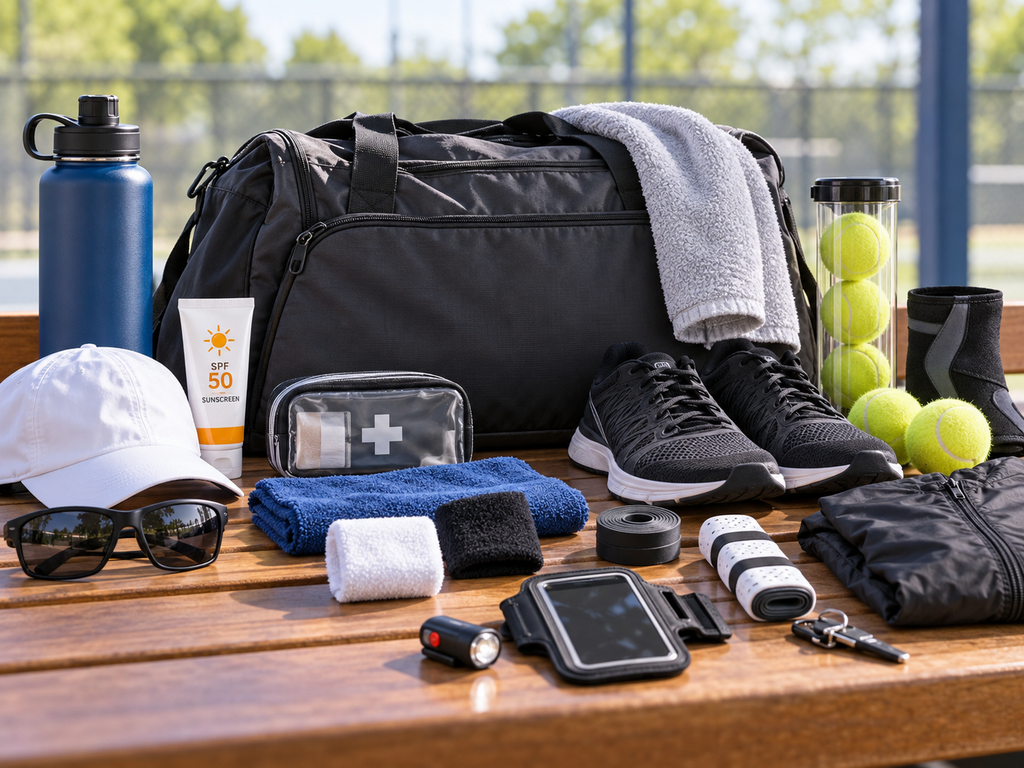
Our Sports Accessories Guide helps you choose the right gear and useful extras to make playing more comfortable, convenient and enjoyable.
Sports accessories may not be the main equipment you use to play, but the right ones can make practice and competition more comfortable, organized and consistent.
A towel can help keep your hands dry. A water bottle keeps hydration nearby. A good sports bag makes equipment easier to organize, while protective and weather-related accessories can help you prepare for different playing conditions.
You do not need every accessory available. The goal is to choose practical items that solve problems you regularly encounter while playing your sport.
What Makes a Sports Accessory Useful?
A useful accessory should support something you actually need during preparation, practice or play.
Most practical sports accessories serve one or more of four purposes:
- improving comfort
- helping you stay prepared
- supporting safety
- making routines more consistent
The exact accessories you need will depend on your sport, playing environment and how often you participate.
A golfer may regularly carry a glove, towel and ball marker. A tennis player may keep replacement overgrips, wristbands and extra balls available. A runner may use a hydration belt, reflective equipment or a lightweight cap.
Beginners usually need fewer accessories than experienced athletes. Start with the basics and add other items when you identify a specific need.
Sports Accessories Guide When it Comes to Comfort
Comfort can influence how well you concentrate during longer sessions.
Heat, sweat, wet clothing and small areas of friction can gradually become distracting. Practical accessories can help reduce some of these problems without interfering with movement.
Common comfort accessories include:
- sports towels
- wristbands
- sweatbands
- caps and visors
- sunglasses
- spare socks
- cooling towels
- lightweight clothing layers
The most useful choices will depend on where and how you play.
Outdoor athletes may prioritize sun protection and heat management, while indoor players may be more concerned with sweat, grip and spare clothing.
Comfort accessories should remain simple. If an item constantly needs adjustment or gets in the way, it may create more distraction than benefit.
Hydration Accessories
Having water easily available is useful across almost every sport.
For many recreational activities, a reusable sports bottle may be all you need. Look for something that is easy to carry, simple to open and large enough for the length of your typical session.
Longer activities may require other options such as:
- insulated bottles
- hydration belts
- hydration packs
- bottle carriers
Accessibility matters.
Keeping water nearby makes it easier to drink regularly instead of waiting until you already feel uncomfortable or thirsty.
Your hydration setup should match the duration, intensity and environment of the activity rather than simply using the largest bottle available.
Sports Bags and Organization
A sports bag helps keep equipment together and makes preparation easier.
The best bag is not necessarily the biggest. It should provide enough space for your normal equipment without becoming unnecessarily heavy or difficult to organize.
Helpful features may include:
- separate shoe compartments
- small accessory pockets
- water bottle holders
- ventilated sections
- waterproof compartments
- adjustable straps
Organization becomes especially useful when you participate regularly.
Keeping items in consistent locations makes it easier to check your equipment before leaving home. You are less likely to forget a glove, towel, water bottle or other small item when everything has a regular place.
A separate compartment or small bag for wet clothing can also help keep the rest of your equipment clean and dry.
Towels and Sweat Management
A small sports towel is one of the most practical accessories you can carry.
Depending on the sport, it can be used to:
- dry your hands
- remove sweat
- wipe equipment
- clean shoes
- manage moisture
- maintain a more secure grip
Sweatbands and wristbands can provide additional help during warm or physically demanding sessions.
These accessories become particularly useful in sports where hand contact with equipment matters. Moisture can affect how securely you hold a racquet, paddle, club or other piece of equipment.
Some athletes carry one towel for themselves and another for cleaning equipment, especially when playing outdoors.
Grip Accessories
A secure and comfortable grip is important in many sports.
Depending on what you play, grip-related accessories may include:
- gloves
- overgrips
- replacement grips
- grip tape
- wristbands
- hand towels
Tennis and other racquet-sport players may replace overgrips when they become worn or slippery. Golfers often use gloves to improve contact with the club. Other athletes may use grip tape or similar accessories depending on their equipment.
Grip accessories should be replaced when they stop providing the feel or control you expect.
Continuing to use a worn grip simply because it has not completely fallen apart can make equipment less comfortable to handle.
Sun and Weather Protection
Outdoor sports expose you to changing conditions, so a few weather-related accessories can make preparation easier.
For sunny conditions, useful items may include:
- caps
- visors
- sunglasses
- sunscreen
- lightweight protective clothing
For wet or cooler conditions, you may consider:
- lightweight rain jackets
- waterproof bag covers
- spare towels
- extra socks
- warm layers
You do not need to carry every weather accessory for every session.
Check the expected conditions and pack accordingly.
Keeping a few frequently used items permanently inside your sports bag can also reduce the chance of forgetting them when conditions change.
Protective Accessories
Some sports require specific protective equipment, while others use smaller protective accessories depending on the activity.
Examples can include:
- protective eyewear
- mouthguards
- shin guards
- knee pads
- elbow pads
- wrist guards
- ankle supports
Follow the safety requirements of the sport you are playing.
Protective accessories should fit properly and allow you to move normally. Equipment that is too loose may shift during activity, while equipment that is too tight may become uncomfortable or restrict movement.
Condition matters as much as fit.
Cracked shells, stretched straps, worn padding or damaged materials can reduce how well protective equipment performs. Check frequently used items and replace them when necessary.
Visibility Accessories
Outdoor athletes who practice in low-light conditions may need additional visibility.
Useful accessories can include:
- reflective clothing
- reflective bands
- clip-on lights
- headlamps
- small safety lights
These items are especially relevant for activities that take place around roads, shared paths or poorly illuminated areas.
If you regularly participate early in the morning or after sunset, visibility accessories should become part of your normal equipment rather than something you only use occasionally.
Equipment-Care Accessories
Small maintenance items can help keep sports equipment clean and usable.
Depending on the sport, you may use:
- microfiber cloths
- cleaning brushes
- shoe brushes
- equipment covers
- grip-cleaning supplies
- moisture-control products
Cleaning dirt, sweat and moisture after playing can help prevent unnecessary wear.
Drying equipment properly is also important.
Leaving damp towels, shoes, gloves or clothing inside a closed sports bag can create odors and allow moisture to remain against equipment for long periods.
Make unpacking and drying wet items part of your normal post-session routine.
Simple Training Accessories
Some accessories are designed to make practice more structured.
These may include:
- cones
- markers
- resistance bands
- targets
- alignment aids
- training ladders
- practice balls
The value of a training accessory depends on how you use it.
Buying more training tools does not automatically create better practice. Start with the skill you are trying to improve and choose accessories that help you work on that specific area.
Simple markers or targets can sometimes be more useful than complicated training equipment because they give you a clear objective without changing how you naturally practice.
Build a Practical Sports Accessory Kit
Your accessory kit should reflect what you actually use.
A simple general setup might include:
- water bottle
- small towel
- sunscreen for outdoor activities
- spare socks
- basic weather protection
- personal items
- sport-specific grip or comfort accessories
Then add items based on your sport.
A tennis player might carry overgrips and wristbands. A golfer may bring a glove, towel and ball marker. A runner may use reflective equipment or a hydration belt.
Avoid filling your bag with items you rarely use.
A smaller collection of useful accessories is usually easier to organize and more practical than carrying equipment for every possible situation.
Know When to Replace Accessories
Sports accessories gradually wear out.
Check frequently used items for:
- worn grips
- damaged straps
- cracked protective equipment
- compressed padding
- leaking bottles
- torn bags
- damaged fasteners
- reduced reflectivity
Replacement should be based on whether the accessory still performs its intended job.
Some accessories may look worn but remain functional. Others may appear acceptable while no longer providing adequate grip, support or protection.
Regular checks help you identify problems before you discover them during a practice session or game.
Choose Accessories Based on Your Needs
There are accessories available for almost every imaginable sports situation, but that does not mean you need all of them.
Before adding something to your equipment, consider what it will actually do for you.
Ask whether it will improve comfort, preparation, safety or consistency. If you cannot identify a practical benefit, you may not need it yet.
As you gain experience, your needs will become clearer.
You may discover that sweat affects your grip, that you frequently forget small equipment or that you need better protection from changing weather. Those experiences can guide your accessory choices more effectively than simply buying what other players carry.
The best sports accessories are the ones you use regularly. Keep your setup practical, maintain what you already own and add new accessories when they solve a genuine problem.
A well-prepared sports bag does not need to be full. It simply needs to contain the right items to help you stay comfortable, prepared, safe and consistent when it is time to play.