
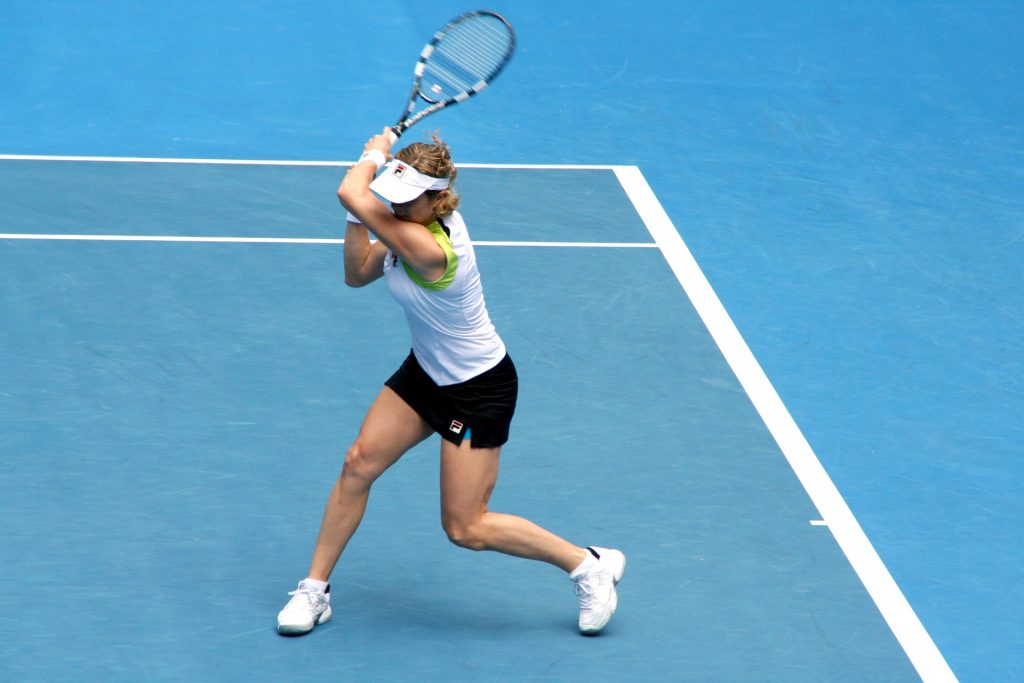
Rules, Scoring, Equipment and Basic Strokes
Quick Answer
Tennis is played by hitting a ball over a net and into the opponent’s side of the court. You earn a point when your opponent cannot return the ball legally, hits it outside the court or allows it to bounce twice.
Beginners need a properly sized racket, tennis balls, supportive court shoes and comfortable clothing. Start by learning the court, basic scoring, serving rules, forehand, backhand and ready position. You do not need powerful shots to begin. Consistent contact, simple movement and keeping the ball inside the court are more important.
Introduction
Tennis can look complicated when you first watch an experienced match. Players use different strokes, move quickly around the court and follow a scoring system that sounds unusual. However, the basic game is easier to understand than it initially appears.
Your first goal is not to hit every ball hard or master advanced techniques. It is to learn how a point begins, where the ball must land and how to return it with reasonable control.
This beginner guide explains the basic rules, scoring system, court areas, equipment and strokes you need to start playing tennis. It will also help you understand what to expect during your first lesson or casual game.
In This Guide
In This Guide
What Is Tennis?
Tennis is a racket sport played on a rectangular court divided by a net. It can be played as:
- Singles: One player competes against one opponent.
- Doubles: Two-player teams compete against each other.
The objective is to hit the ball over the net and inside the correct boundaries in a way that your opponent cannot legally return.
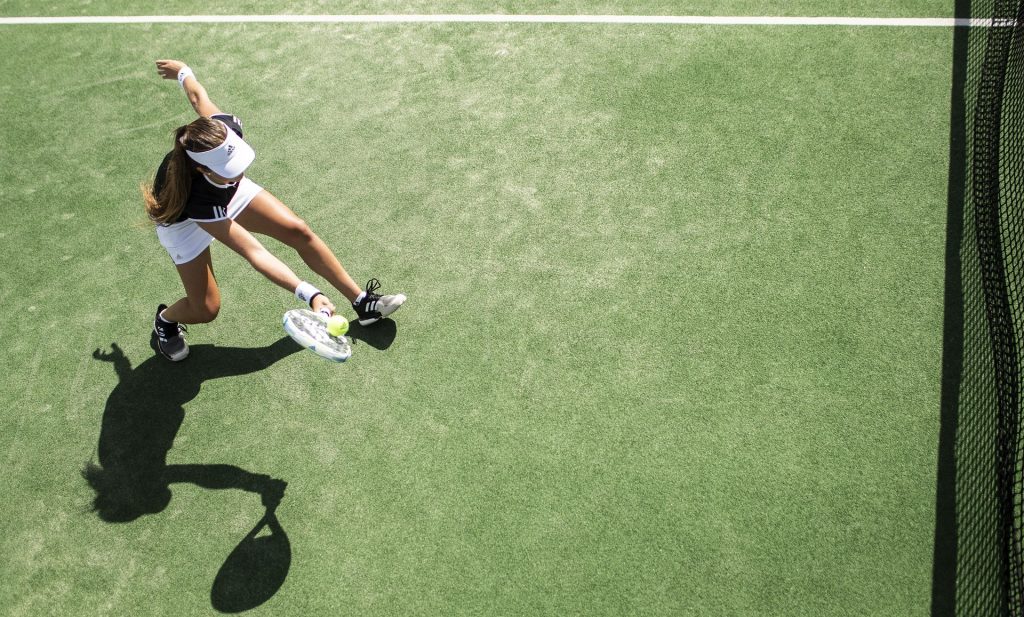
A player wins a point when the opponent:
- Hits the ball into the net
- Hits the ball outside the correct court boundaries
- Allows the ball to bounce twice
- Misses the ball completely
- Commits a double fault while serving
- Touches the net or violates another match rule
Tennis can be played competitively, socially or simply as a form of exercise. Beginners can start with slower rallies, smaller court areas and lower-compression balls before playing complete matches.
What You Need to Start Playing Tennis
You do not need a large collection of equipment to begin. A racket, several tennis balls, appropriate shoes and comfortable clothing are enough for your first practice session.
Tennis Racket
Beginner rackets generally have a larger head, moderate weight and a comfortable grip. A larger racket head provides a bigger hitting area and can make off-center contact more forgiving.
Avoid choosing a racket only because a professional player uses it. Professional rackets may be heavier, less forgiving and more difficult for a beginner to control.
Tennis Balls
Standard tennis balls are suitable for many adults, but complete beginners may find lower-compression balls easier to use.
These slower balls give players more time to prepare and can make it easier to develop longer rallies:
- Red balls: The slowest option, normally used on smaller courts
- Orange balls: Slower than standard balls and often used on reduced courts
- Green balls: Slightly slower than standard yellow balls
- Yellow balls: Standard balls used in regular tennis
Adults can also use beginner balls while learning. They are not limited to children.
Tennis Shoes
Tennis involves frequent sideways movement, sudden stops and changes of direction. Tennis shoes are designed to provide lateral support and court-appropriate traction.
Regular running shoes are designed primarily for forward movement. They may not provide the same stability when moving from side to side.
Comfortable Clothing
Wear clothing that allows you to move freely. Athletic shorts, skirts, shirts and breathable socks are all suitable. Some tennis clubs have clothing requirements, so check the venue’s rules before your first visit.
You may also want to bring:
- Water
- Sunscreen for outdoor courts
- A hat or visor
- A small towel
- Extra racket overgrips
- A second can of tennis balls
Understanding the Tennis Court
A tennis court contains several lines and areas. The boundaries used depend on whether you are playing singles or doubles.
Baseline
The baseline is the line at each end of the court. Players often begin points and hit groundstrokes from near this area.
The server must stand behind the baseline when striking the serve.
Singles Sidelines
The inner sidelines create the side boundaries for singles matches. A ball landing outside these lines is out during singles play.
Doubles Sidelines
The outer sidelines are used during doubles matches. The space between the singles and doubles sidelines is commonly called the doubles alley.
Service Line
The service line runs across each side of the court between the net and baseline. It forms the back boundary of the service boxes.
Center Service Line
The center service line divides the service area into left and right service boxes.
Service Boxes
A legal serve must travel diagonally over the net and land inside the correct service box.
Center Mark
The small mark in the middle of each baseline helps identify where the server should stand. The server alternates between the right and left sides of this mark during a game.
Net
The net divides the court into two equal sides. During a rally, the ball must travel over the net and land inside the opponent’s correct court boundaries.
A ball may touch the net during a rally and remain in play if it continues over and lands inside the court.
How Tennis Scoring Works
Tennis scoring is organized into four levels:
- Points
- Games
- Sets
- Match
Points
The standard point sequence within a game is:
- Love: Zero points
- 15: One point
- 30: Two points
- 40: Three points
- Game: Four points, provided the player leads by at least two
For example, if the server has won two points and the receiver has won one, the score is 30–15. The server’s score is normally announced first.
Deuce and Advantage
When both players reach 40, the score is called deuce.
A player must then win two consecutive points to win the game:
- Winning the first point after deuce gives the player the advantage.
- Winning the next point wins the game.
- Losing the next point returns the score to deuce.
Some recreational matches use no-ad scoring. Under this format, one deciding point is played at deuce instead of requiring a two-point lead.
Games and Sets
A player normally wins a set by winning six games with a lead of at least two games.
A set could finish:
- 6–0
- 6–2
- 6–4
- 7–5
If the score reaches 6–6, many formats use a tiebreak. The rules can vary depending on the competition, club or recreational agreement.
Winning a Match
Many recreational matches use a best-of-three-sets format. The first player or team to win two sets wins the match.
Beginners do not need to play complete sets immediately. Short sets, timed matches and first-to-10-point games can make early match practice more manageable.
Basic Tennis Rules for Beginners
You do not need to memorize every official competition rule before playing. Start with the rules that determine how points begin and end.
The Serve Starts the Point
Every point begins with a serve. The server stands behind the baseline and hits the ball diagonally into the opponent’s service box.
The first point of a game is served from the right side of the center mark. The server then alternates between the right and left sides after every point.
The Server Gets Two Attempts
The server normally has two opportunities to make a legal serve.
A missed first serve is called a fault. If the second attempt is also a fault, it becomes a double fault, and the receiver wins the point.
Common service faults include:
- Hitting the ball into the net
- Landing the ball outside the correct service box
- Stepping on or over the baseline before contacting the ball
- Serving from the wrong position
A Serve That Touches the Net May Be Replayed
If the serve touches the net and still lands in the correct service box, it is called a let and the serve is replayed.
If it touches the net and lands outside the correct box, it is a fault.
The Ball Can Bounce Once
During a rally, you may allow the ball to bounce once before returning it. If it bounces twice, you lose the point.
You may also hit the ball before it bounces. This is called a volley.
Balls Landing on the Line Are In
Any part of the ball touching the correct boundary line is considered in.
When playing without an official, each player or team usually calls the lines on their own side of the court. If you are genuinely unsure whether a ball was in or out, it is good practice to give your opponent the benefit of the doubt.
Players Change Ends
Players normally change ends after the first game and after every following odd-numbered game in a set. Changing sides helps balance differences in sunlight, wind and court conditions.
The Essential Tennis Strokes
Beginners should become familiar with the main shots used to start points and maintain rallies.
Forehand
A forehand is normally hit on the dominant side of the body. For a right-handed player, this is usually the right side.
A simple beginner forehand includes:
- Turning the shoulders as the ball approaches
- Moving the racket back
- Stepping toward the ball when possible
- Contacting the ball in front of the body
- Swinging forward with a relaxed motion
- Finishing the racket over or around the opposite shoulder
Focus on clean contact and a controlled swing before trying to add speed.
Backhand
A backhand is hit on the side opposite the dominant hand. Right-handed players normally hit backhands on their left side.
Beginners can use either:
- A one-handed backhand
- A two-handed backhand
The two-handed backhand often feels more stable for beginners because the second hand provides additional support and control.
Prepare early, turn your shoulders and try to contact the ball in front of your body.
Serve
The serve begins every point. It involves a coordinated ball toss and an overhead racket motion.
A basic serving sequence is:
- Stand behind the baseline
- Position your feet comfortably
- Hold the racket and ball with relaxed hands
- Toss the ball slightly in front of your body
- Move the racket upward toward the ball
- Contact the ball at a comfortable reaching height
- Follow through into the court
Do not focus on serving as hard as possible. A repeatable toss and smooth motion are more valuable when learning.
Volley
A volley is a shot hit before the ball bounces. It is usually played closer to the net.
Volleys use a short, controlled motion rather than a large groundstroke swing. Keep the racket in front of your body and guide the ball toward an open part of the court.
Overhead
An overhead is used to return a high ball, often near the net. Its motion resembles a serve, but it occurs during a rally.
Turn sideways, move into position and contact the ball above your head. Beginners should prioritize balance and safe positioning instead of trying to smash every overhead.
Ready Position and Basic Footwork
Good tennis is not only about swinging the racket. You must also move into a position that allows you to hit comfortably.
Ready Position
Between shots:
- Face the opponent
- Keep your feet slightly wider than shoulder-width apart
- Bend your knees
- Lean slightly forward
- Hold the racket in front of your body
- Stay balanced on the balls of your feet
This position helps you move in either direction.
Split Step
A split step is a small hop performed as the opponent prepares to hit. You land with your feet apart and knees slightly bent, ready to move toward the ball.
Beginners often watch the ball without preparing their feet. Practicing a small split step can improve reaction time and balance.
Recovery
After hitting, move toward a position that gives you a reasonable chance of reaching the opponent’s next shot.
In singles, this is often near the middle of the available angles rather than directly on the center mark. At the beginner level, returning toward the center is a useful starting habit.
How to Start Playing Tennis
You can make your first sessions easier by learning in a simple progression.
Step 1: Become Comfortable With the Racket and Ball
Start by bouncing the ball on the racket strings. Try bouncing it upward and then toward the ground.
This develops basic racket-face awareness and hand-eye coordination.
Step 2: Practice Short-Court Rallies
Stand inside the service boxes with a partner and gently rally the ball over the net.
Use short swings and aim well inside the court. Short-court tennis helps you develop control before moving back to the baseline.
Step 3: Learn Forehand and Backhand Contact
Ask a partner or coach to feed easy balls. Practice preparing early and making contact in front of your body.
Do not worry about hitting winners. Try to send the ball over the net with enough height and keep it inside the court.
Step 4: Add Basic Movement
Begin from the ready position, move toward the ball, hit and recover.
Even simple movement patterns will prepare you for realistic rallies better than standing in one place.
Step 5: Learn a Controlled Serve
Practice serving from closer to the net if the full court feels too difficult. Gradually move back as your toss and contact improve.
Your first objective is to start the point legally and consistently.
Step 6: Practice Returning Serve
Begin with slow serves. Use a ready position, make a small split step and use a compact swing.
Aim toward the center of the court to give yourself a larger target.
Step 7: Play Simple Points
Play points within the service boxes or use a first-to-seven-points format. You can gradually introduce full-court points, standard games and complete sets.
What to Expect at Your First Tennis Lesson
A beginner tennis lesson will usually introduce skills gradually. You are unlikely to play a complete match immediately.
Your first lesson may include:
- A light physical warm-up
- Racket and ball coordination activities
- An explanation of the court
- Forehand and backhand demonstrations
- Hand-fed or racket-fed balls
- Short-court rallies
- Basic serving practice
- Movement and recovery exercises
- A simple point-based activity
Tell the coach about any injuries or physical limitations before the lesson begins. Ask questions if a grip, movement or instruction feels unclear.
Making mistakes during your first lesson is expected. The purpose is to become familiar with the game, not to perform every skill correctly.
Common Beginner Tennis Mistakes
Trying to Hit Too Hard
More power does not automatically produce a better shot. Swinging too hard often leads to late contact, poor balance and inconsistent direction.
Use a smooth swing and aim safely inside the court.
Standing Still
Beginners sometimes wait for the ball to come directly to them. In real rallies, you will need to make small positioning adjustments before almost every shot.
Keep your feet active and move early.
Preparing Too Late
Waiting until the ball bounces before taking the racket back leaves very little time to swing.
Begin turning your shoulders as soon as you recognize whether the ball is approaching your forehand or backhand side.
Watching the Target Too Early
Looking across the net before making contact can cause mishits. Keep your attention on the ball as it approaches your racket.
Aiming Too Close to the Lines
Lines are risky targets for beginners. Aim several feet inside the boundaries to give yourself a larger margin for error.
Using the Wrong Equipment
A racket that is too heavy or has the wrong grip size can make learning uncomfortable. Worn or unsuitable shoes can also affect movement and safety.
Choose equipment based on your current ability and comfort.
Becoming Frustrated Too Quickly
Tennis requires coordination, timing and movement. Early inconsistency is normal.
Measure improvement through better contact, longer rallies and more reliable movement—not only by whether you win points.
How to Improve as a Beginner
Consistency matters more than occasional long practice sessions. Two or three shorter sessions per week may be more productive than one exhausting session followed by a long break.
A balanced beginner practice session can include:
- Five to ten minutes of physical warm-up
- Short-court control exercises
- Forehand and backhand practice
- Movement and recovery drills
- Serving and returning
- Cooperative rallies
- Several practice points
- A short cool-down
You can also practice alone by:
- Rallying against a suitable wall
- Performing shadow swings without a ball
- Practicing the service toss
- Serving toward court targets
- Working on footwork patterns
- Bouncing the ball on the racket
Whenever possible, get feedback from a qualified coach. A coach can identify grip, movement and swing problems that may be difficult to notice yourself.
Beginner Tennis Safety Tips
Tennis is physically demanding, especially when you are not accustomed to repeated starts, stops and sideways movement.
Before playing:
- Warm up your shoulders, legs and hips
- Wear supportive tennis shoes
- Check that the court is dry and free from hazards
- Drink enough water
- Use sunscreen and suitable clothing outdoors
- Increase practice intensity gradually
Stop playing if you experience sharp pain, dizziness or unusual shortness of breath. Persistent pain should be evaluated by an appropriate healthcare professional.
Frequently Asked Questions
Is tennis difficult for beginners?
Tennis has a learning curve because players must coordinate movement, racket position and ball timing. However, modified balls, short courts and slower cooperative rallies make the game much easier to learn.
You do not need to master every stroke before enjoying tennis.
Am I too old to start playing tennis?
Adults can begin tennis at many ages. Your practice intensity, equipment and court size can be adjusted to your mobility and fitness level.
If you have an existing medical condition or have been inactive for a long period, consult an appropriate healthcare professional before beginning strenuous exercise.
Do I need lessons to start playing?
Lessons are not required, but instruction from a qualified coach can help you learn safer and more efficient techniques. Even a few beginner lessons may prevent you from developing habits that become difficult to correct later.
Can I practice tennis alone?
Yes. You can practice racket control, serves, shadow swings, footwork and wall rallies by yourself. Partner practice is still valuable because it helps you learn to read another player’s shots and react to different balls.
How often should a beginner practice tennis?
Two or three practice sessions per week can provide steady improvement for many beginners. The ideal schedule depends on your fitness, available time and recovery needs.
Regular practice is generally more useful than completing one very long session occasionally.
How long does it take to learn tennis?
There is no fixed timeline. Many beginners can learn the basic rules and begin simple rallies within a few sessions. Developing reliable strokes, serves, movement and match strategy takes longer.
Progress depends on practice frequency, instruction, physical ability and previous experience with racket sports.
What is the easiest tennis stroke to learn?
Many beginners find the forehand easier because it is played on the dominant side of the body. However, comfort varies between players. Some beginners find a two-handed backhand easier to control.
Should beginners use topspin?
Beginners can gradually learn topspin, but clean contact and direction should come first. A simple low-to-high swing can begin producing topspin without requiring an exaggerated motion.
Can the ball touch the net during a rally?
Yes. If the ball touches the net during a rally and lands inside the correct court boundaries, play continues.
A serve that touches the net and lands in the correct service box is replayed.
What should I focus on during my first match?
Focus on starting points legally, recovering after each shot and keeping the ball inside the court. Avoid aiming for difficult winners.
At the beginner level, the player who makes fewer avoidable mistakes often has the advantage.
Final Beginner Advice
You do not need powerful serves, perfect strokes or advanced strategy to start enjoying tennis. Learn the basic rules, use suitable equipment and build your skills through controlled practice.
Concentrate on three early goals:
- Prepare before the ball reaches you.
- Make balanced contact in front of your body.
- Aim safely inside the court.
As your control improves, you can develop faster serves, stronger strokes, spin and more advanced tactics. For now, keep the game simple and give yourself time to learn.
Related Tennis Guides
Continue learning with these beginner-friendly guides:
- Tennis Rules for Beginners
- How Tennis Scoring Works
- Understanding the Tennis Court
- What to Expect at Your First Tennis Lesson
- How to Hit a Tennis Forehand for Beginners
- How to Hit a Tennis Backhand
- How to Serve in Tennis for Beginners
- Tennis Footwork for Beginners
- How to Choose a Tennis Racket for Beginners
- Tennis Equipment Every Beginner Needs
Ready to Start Playing Tennis?
Choose one skill from this guide and practice it during your next session. Start with short rallies, controlled swings and simple targets. You do not have to learn the entire game at once.
Explore our tennis training guides for step-by-step lessons covering strokes, serving, movement, equipment and beginner match strategy.
In this Series
1. Tennis Basics
For readers learning how tennis works and preparing for their first game.
- Beginner Guide to Tennis — Rules, scoring, equipment, strokes and what to expect when starting.
- Tennis Rules for Beginners — Serving order, court boundaries, faults and basic match rules.
- How Tennis Scoring Works — Points, games, sets, deuce and tiebreaks explained simply.
- Understanding the Tennis Court — Court lines, service boxes, baseline and net positions.
- What to Expect at Your First Tennis Lesson — Clothing, equipment, warm-up and beginner activities.
2. Strokes and Technique
For learning the essential shots used during rallies.
- How to Hit a Tennis Forehand for Beginners — Grip, preparation, contact and follow-through.
- How to Hit a Tennis Backhand — One-handed and two-handed backhand fundamentals.
- How to Volley in Tennis — Positioning, short swing and controlling the racket face.
- Tennis Grips Explained — Continental, Eastern and Semi-Western grips.
- How to Hit a Tennis Overhead — Preparing for and returning high balls.
3. Serve and Return
For improving how points begin.
- How to Serve in Tennis for Beginners — Complete step-by-step serving guide. This is the article already created.
- How to Improve Your Tennis Ball Toss — Toss height, placement and consistency.
- How to Return a Tennis Serve — Ready position, split step and compact swing.
- Why Your Tennis Serve Keeps Going Into the Net — Common causes and corrections.
- How to Add Power to Your Tennis Serve Safely — Using rhythm, rotation and relaxed motion.
4. Footwork and Court Movement
For reaching the ball efficiently and recovering between shots.
- Tennis Footwork for Beginners — Ready position, split step and basic movement patterns.
- How to Move Around a Tennis Court — Side steps, crossover steps and recovery.
- How to Recover After Every Tennis Shot — Returning to an effective court position.
- Beginner Tennis Agility Drills — Simple exercises for balance and quicker movement.
- How to Improve Balance When Hitting Tennis Shots — Controlling the body before and after contact.
5. Practice Drills and Improvement
For developing skills through structured practice.
- Beginner Tennis Drills You Can Practise Alone — Wall drills, shadow swings and serving practice.
- Easy Partner Drills for Tennis Beginners — Cooperative rallies and target practice.
- How to Keep a Tennis Rally Going — Improving control, preparation and shot selection.
- A 30-Minute Tennis Practice Routine — A simple session covering movement, strokes and serving.
- How Often Should a Beginner Practise Tennis? — Building a realistic improvement schedule.
6. Strategy and Match Play
For learning to use tennis skills during actual points.
- Basic Tennis Strategy for Beginners — Consistency, positioning and choosing safer targets.
- Where to Stand During a Tennis Match — Baseline, net and return positioning.
- How to Play Against Different Tennis Opponents — Adjusting to power, consistency and movement.
- Singles vs Doubles Tennis — Differences in positioning, court coverage and strategy.
- How to Stay Calm During a Tennis Match — Routines for managing mistakes and pressure.
7. Common Mistakes and Fixes
For troubleshooting recurring problems.
- Common Tennis Mistakes Beginners Make — Setup, timing, footwork and shot selection.
- Why Your Tennis Shots Keep Hitting the Net — Contact height, racket angle and preparation.
- Why Your Tennis Shots Keep Going Long — Controlling power, spin and racket face.
- How to Stop Mishitting the Tennis Ball — Improving spacing, timing and focus.
- Why You Keep Hitting the Tennis Ball Late — Earlier preparation and better movement.
8. Tennis Gear and Equipment
For choosing practical beginner equipment.
- How to Choose a Tennis Racket for Beginners — Head size, weight, grip size and forgiveness.
- Tennis Equipment Every Beginner Needs — Racket, balls, shoes and basic accessories.
- How to Choose the Correct Tennis Grip Size — Measuring the hand and avoiding discomfort.
- Tennis Shoes vs Regular Athletic Shoes — Court support, traction and lateral stability.
- Recommended Tennis Gear for Beginners — A curated beginner equipment guide.