
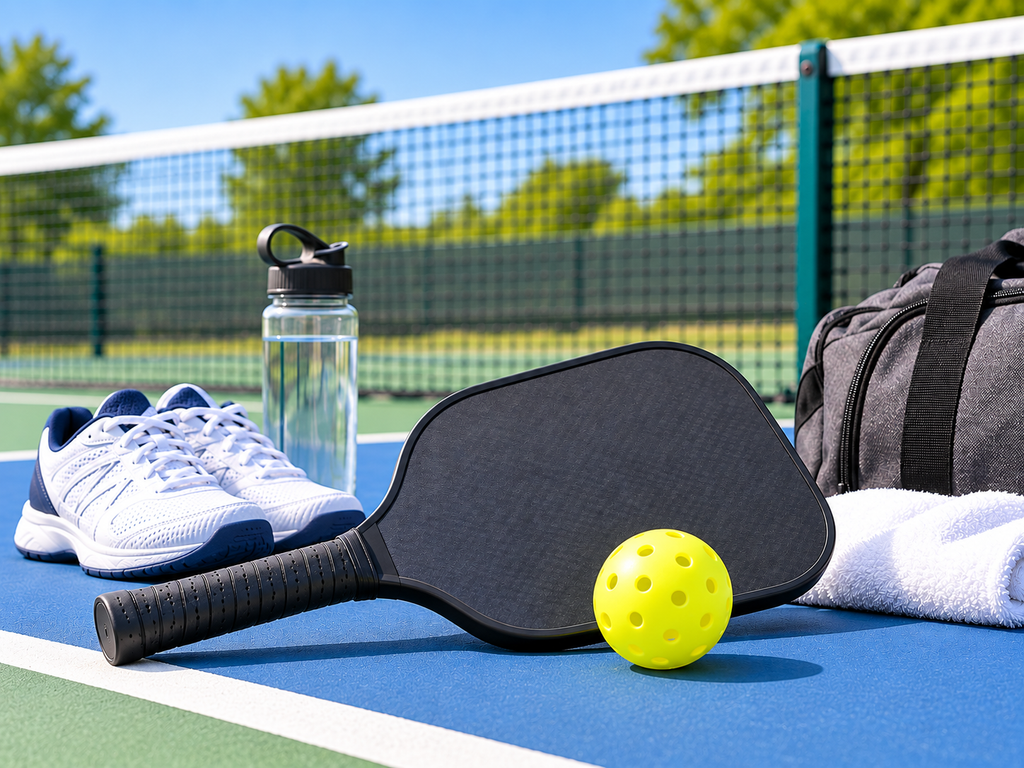
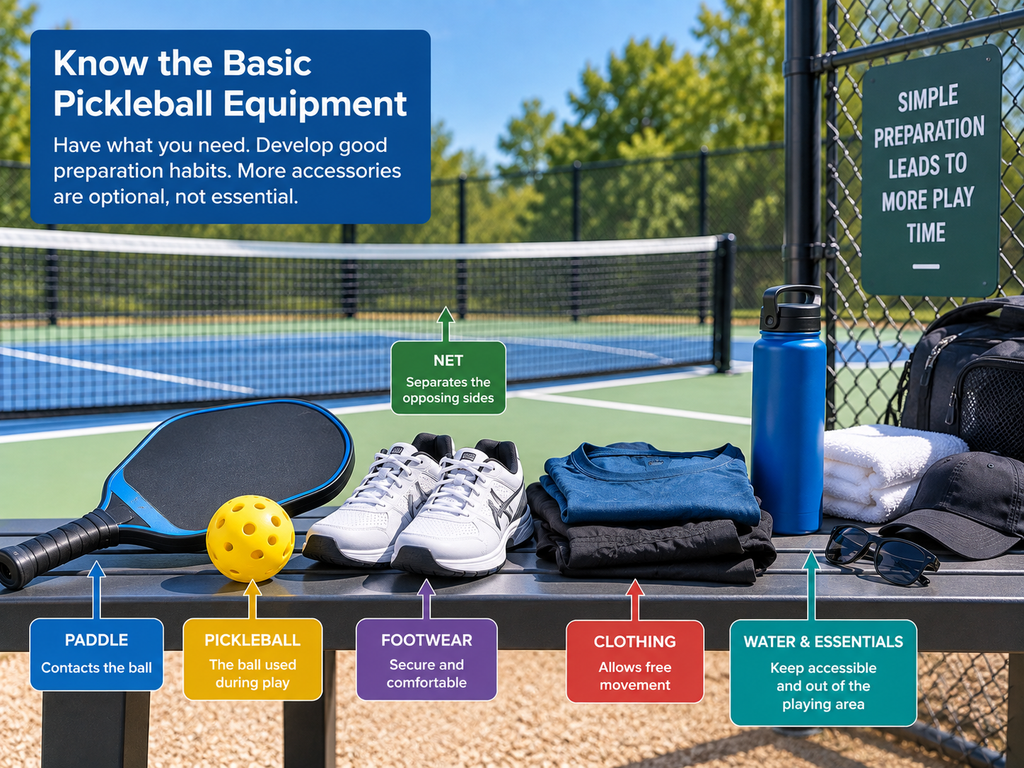
Before you begin hitting balls or learning strokes, you should Know the Basic Pickleball Equipment and understand how to prepare it for a normal recreational session. A beginner does not need a large collection of specialized gear. You need to recognize the basic playing equipment, make sure it appears usable, wear clothing and footwear that allow normal court movement, and organize personal items so they do not create hazards around the court.
The three fundamental pieces of playing equipment are the paddle, pickleball and net. Your personal preparation also matters. Secure footwear, comfortable clothing and drinking water help you arrive ready to participate without unnecessary distractions.
The goal at this stage is not to compare brands or study paddle technology. It is to know what you need, recognize obvious equipment problems and develop a simple routine you can repeat before every practice session.
Know the Basic Pickleball Equipment Before You Play
Basic pickleball equipment can be divided into two simple groups.
Playing equipment includes the paddle, pickleball and net. These are directly involved in the game. You hold the paddle, strike the ball and send it across the net.
Personal preparation includes items such as appropriate footwear, comfortable clothing and drinking water. These items are not used to hit the ball, but they help you participate comfortably and keep the playing area organized.
For a true beginner, this distinction keeps preparation simple. You do not need specialized accessories before learning the game. A functional paddle, an intact ball, a usable court and net, secure footwear, practical clothing and water are enough for ordinary beginner practice.
Before beginning, take a few moments to look over your equipment. A short pickleball equipment checklist can prevent an obvious problem from becoming a distraction once activity starts.
Recognize the Pickleball Paddle
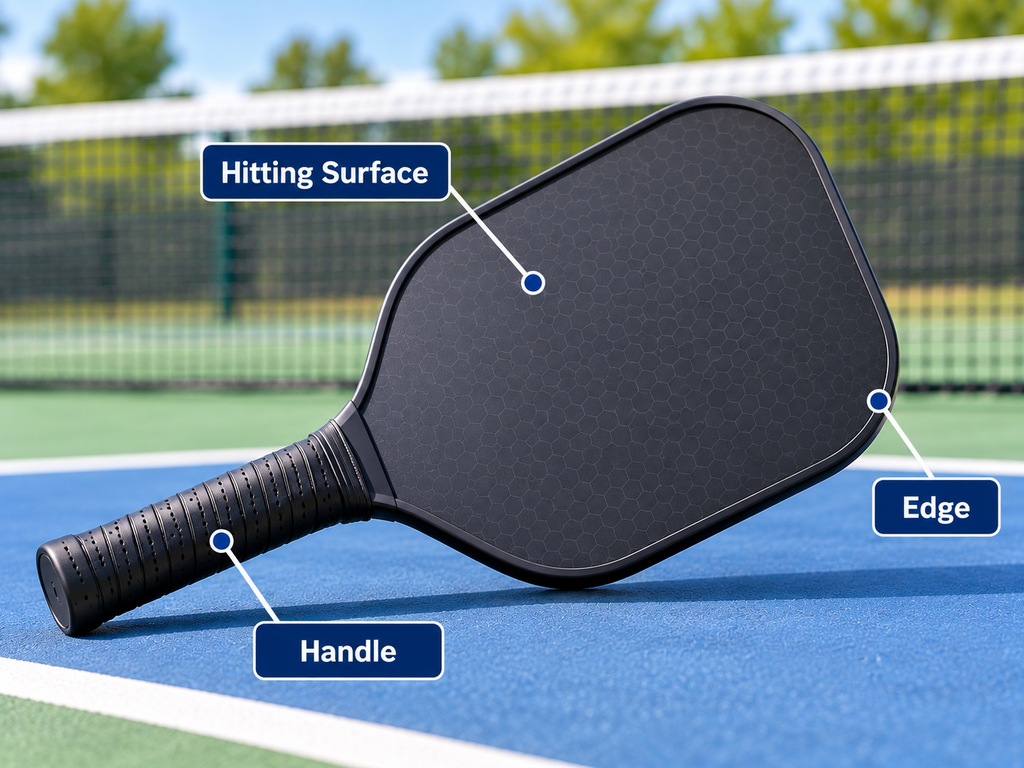
The pickleball paddle is the handheld piece of equipment used to contact the ball.
At a beginner level, you only need to recognize three basic visible parts:
- Hitting surface: the broad area of the paddle that contacts the ball.
- Edge: the outside perimeter of the paddle.
- Handle: the section you hold in your hand.
You do not need to understand paddle materials, internal construction or advanced technology to begin playing. Those details do not change your immediate responsibility: the paddle should be usable and free from obvious damage that could interfere with normal play.
Before practice, look at the paddle from both sides. Check whether the hitting surface appears intact. Look around the edge and make sure there is no obvious damage that makes the paddle difficult or unsafe to use. Look at the handle as well and confirm that nothing is visibly loose or badly damaged.
This is a simple visual inspection rather than a technical equipment examination. You are looking for obvious problems, not trying to determine whether the paddle meets specialized competition specifications.
If a paddle has damage that could affect its normal or safe use, address the problem before beginning active practice.
Recognize the Pickleball
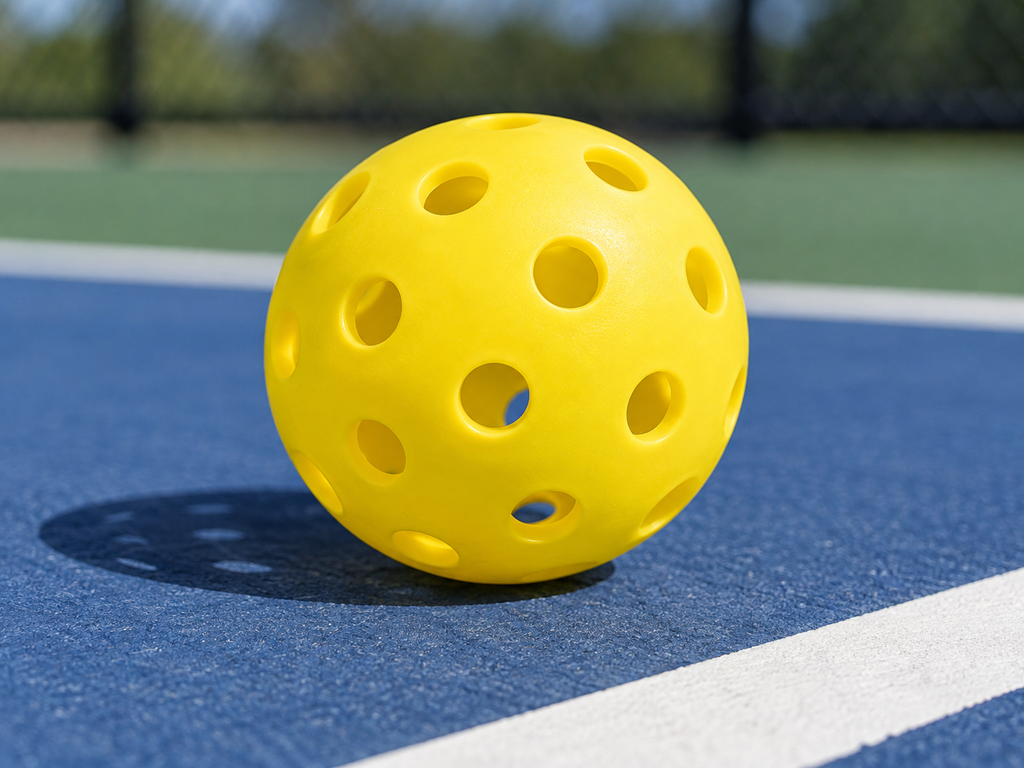
A pickleball is the perforated ball used during play. The holes throughout the ball make it visually different from the solid balls used in many other racket and paddle sports.
Before using a ball, hold it in your hand and look around its entire surface. An intact ball should generally maintain its normal shape without obvious cracks or severe deformation.
Common visible problems include:
- a clear crack in the ball;
- a badly distorted or flattened shape;
- damage that prevents the ball from behaving normally.
You do not need to perform complicated tests. Rotate the ball in your hand and inspect it visually.
If you notice obvious damage, use another intact ball rather than continuing with the damaged one. A beginner practice session is easier when the equipment behaves normally and predictably.
Avoid becoming overly concerned with the many different balls available before you have learned basic paddle and ball control. For now, recognize the pickleball, confirm that it is intact and use a ball suitable for the recreational session you are joining.
Understand the Net as Basic Court Equipment
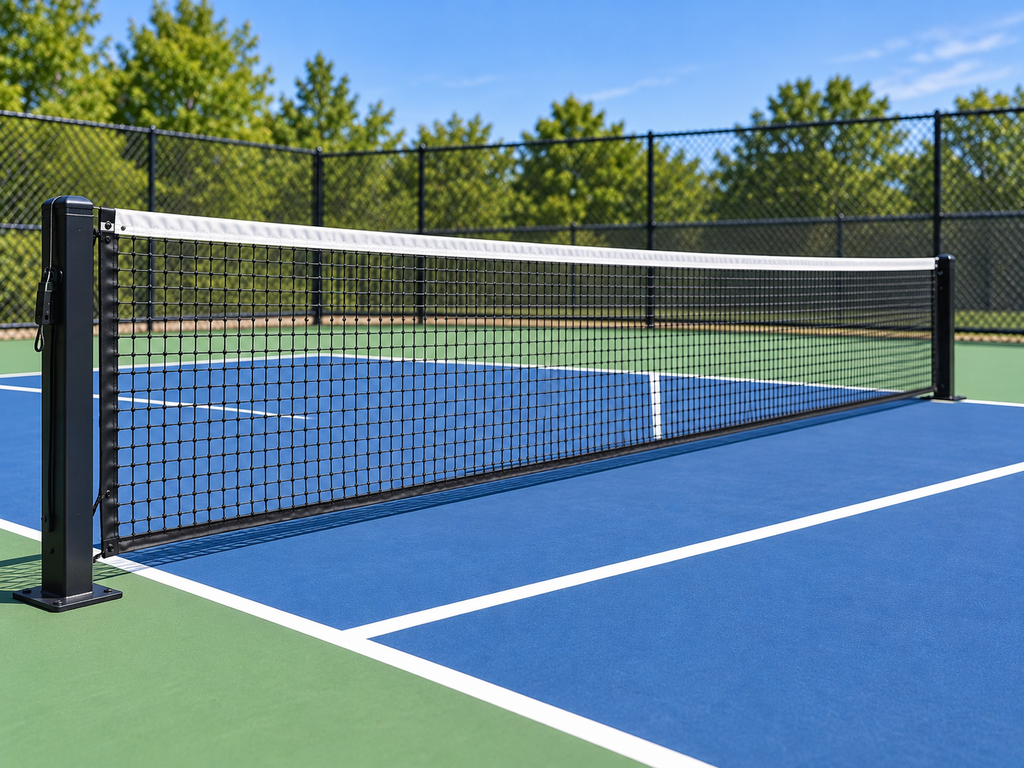
The net separates the two opposing sides of the pickleball court. Unlike your paddle and ball, it is normally part of the court setup rather than something you carry during play.
For this lesson, your responsibility is simply to recognize the net and notice whether it appears usable for ordinary recreational play.
When you arrive at the court, look at the net before beginning. It should appear normally positioned and stable enough for the session. You do not need to measure it or make technical adjustments as part of this equipment check.
Detailed court and net inspection is different from basic equipment recognition. At this stage, simply understand that the net is one of the fundamental pieces of pickleball equipment and that an obvious problem should not be ignored.
Wear Footwear Suitable for Court Movement
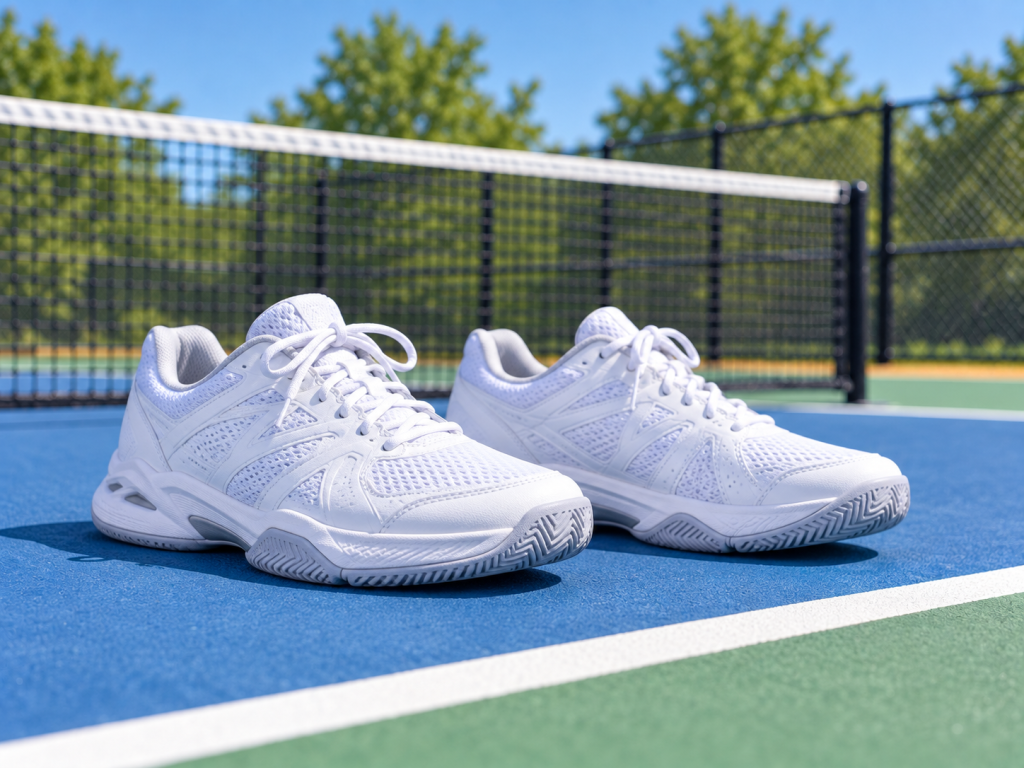
Footwear is one of the most important parts of your personal preparation because pickleball involves repeated starts, stops and changes of direction.
Choose footwear that fits securely and allows you to move normally on the playing surface. Your shoes should remain stable on your feet rather than sliding around inside or becoming loose during movement.
Before playing, check that:
- the shoes fit securely;
- laces or other fastenings are properly secured;
- nothing is hanging loose around your feet;
- the shoes allow you to walk, stop and change direction comfortably;
- the footwear does not obviously interfere with normal court movement.
You do not need a particular brand or appearance. The practical question is whether the footwear allows secure, controlled movement.
Avoid treating a footwear preference as an official pickleball rule. Recreational facilities may have their own requirements, but the beginner principle here is practical preparation: your footwear should be secure and appropriate for ordinary movement on the court you are using.
If your shoes are loose, untied or obviously unsuitable for the surface, correct the problem before active practice begins.
Choose Practical Clothing for Pickleball
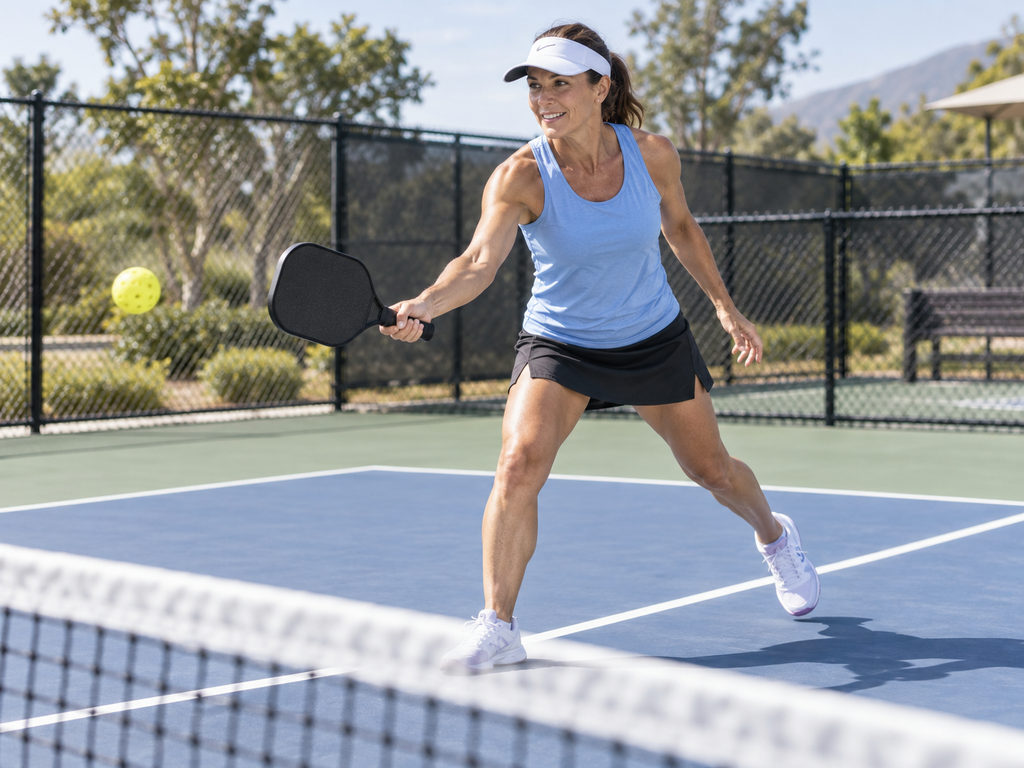
Pickleball clothing should allow normal movement without getting in your way.
You should be able to move your legs comfortably, turn your upper body and move your shoulders and arms without unnecessary restriction. Clothing should also remain reasonably secure while you move.
You do not need specialized pickleball apparel. Comfortable recreational sports clothing is usually sufficient when it suits the playing conditions and facility requirements.
Before playing, ask yourself a few simple questions:
Can I move my arms freely?
Can I take normal steps and change direction without the clothing restricting my legs?
Are there loose items that could catch, swing excessively or interfere with movement?
Is the clothing practical for the indoor or outdoor conditions in which I will be playing?
Make any simple adjustments before the session begins. Secure or remove unnecessary loose items rather than waiting until they interfere with practice.
Clothing choices are practical preparation, not a competition over appearance or specialized gear.
Prepare Water and Personal Essentials
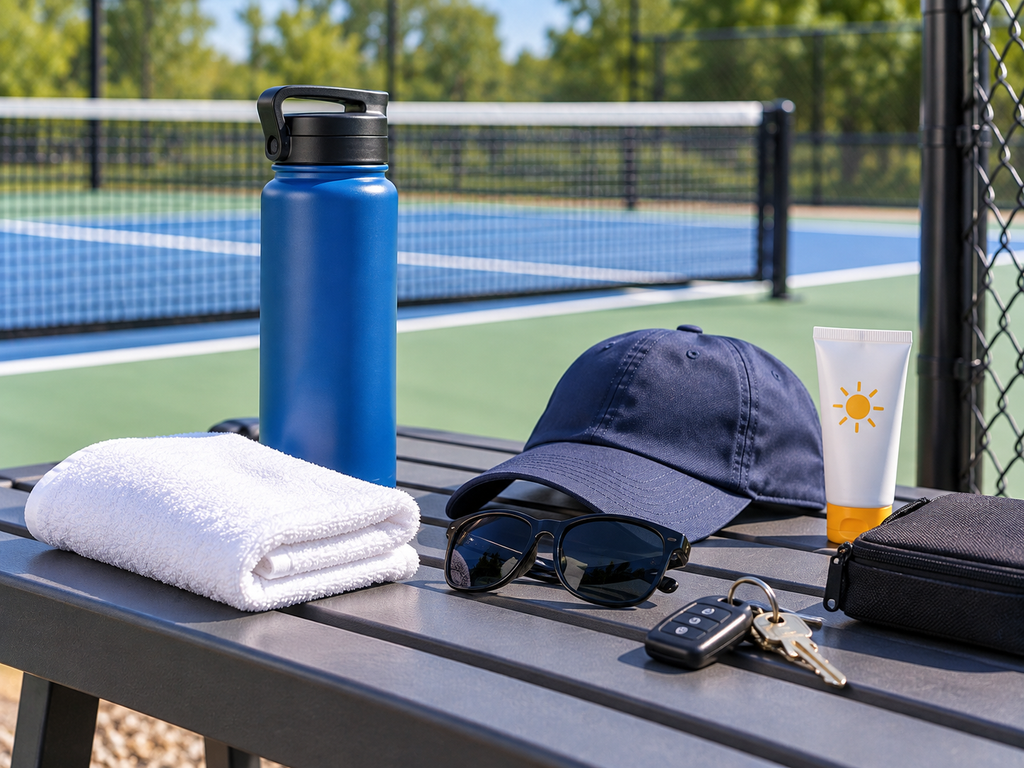
Bring drinking water to your pickleball session and have it available before active practice begins.
Place your water bottle somewhere outside normal player movement areas. Do not leave it near a baseline, sideline or other location where someone could step on it while concentrating on the ball.
The same principle applies to your other belongings.
Keep bags, spare clothing, towels, keys and other personal items organized and away from places where players are likely to move. If you are playing outdoors, practical personal necessities such as sun protection may also be appropriate for the conditions.
The important point is organization. Bring what you reasonably need, but keep unnecessary objects away from the active playing area.
A court can become cluttered quickly when several players place bottles, bags, spare balls and clothing around the edges. Get into the habit of choosing one safe location for belongings before play starts.
Inspect Your Equipment Before Playing
A simple pre-session equipment inspection should become a regular habit.
It does not need to take long. The purpose is to notice obvious problems while you are still preparing rather than discovering them in the middle of practice.
Use this sequence.
Look over the paddle. Check the hitting surface, edge and handle for obvious damage.
Inspect the ball. Rotate it in your hand and look for visible cracks, severe deformation or other obvious damage.
Secure your footwear. Make sure your shoes fit properly and that laces or fastenings are secured.
Check your clothing. Confirm that you can move comfortably and that loose items will not interfere.
Prepare your water. Put your bottle in an accessible place outside normal movement paths.
Organize personal belongings. Move bags, spare equipment and unnecessary objects away from the playing area.
This routine is a practical beginner recommendation rather than a complicated equipment inspection procedure.
If you discover an obvious problem, correct it before beginning. Replace a visibly damaged ball. Secure loose footwear. Relocate a bag. Use another paddle if the one you intended to use has damage that could affect normal or safe use.
Taking care of simple problems before play is easier than trying to manage them once people and balls are moving around the court.
Separate Essential Equipment from Optional Accessories
New players sometimes assume they need a large collection of beginner pickleball gear before they can participate.
They do not.
For basic recreational participation, focus on functional essentials:
- • a usable pickleball paddle;
- • an intact pickleball;
- • access to a court with a usable net;
- • secure footwear;
- • practical clothing;
- • drinking water and any genuinely necessary personal items.
Many additional accessories exist, but an accessory is not automatically a necessity.
You may eventually encounter paddle covers, specialized bags, training devices and many other pickleball products. Some players find particular accessories useful, but owning more equipment does not mean you are better prepared to learn.
Your early attention is better placed on having equipment that works and developing good preparation habits.
When you Know the Basic Pickleball Equipment, you can arrive at the court confident that you have what is required for a straightforward beginner session without turning preparation into a shopping project.
Common Beginner Equipment Confusion
Several equipment mistakes are common when someone is new to pickleball.
Assuming More Equipment Means Better Preparation
A beginner may see experienced players carrying large bags and assume the same amount of gear is necessary.
It is not.
Start with the essentials. Add optional items later only when you understand why they would be useful to you.
Focusing Too Much on Paddle Technology
It is easy to spend more time comparing paddle features than learning to control the paddle you already have.
At this stage, the paddle needs to be usable and comfortable enough for beginner practice. Detailed equipment technology is not necessary for learning basic ball control.
Using a Visibly Damaged Ball
A cracked or severely deformed ball should not simply be returned to practice because it is nearby.
Inspect the ball briefly before use and replace one that is obviously damaged.
Leaving Belongings in Movement Areas
A bag or water bottle placed near the playing area can become an obstacle once attention shifts toward the ball.
Move belongings away before practice.
Confusing Accessories with Essentials
You do not need every pickleball-related product you see. Begin with the equipment required for ordinary participation and keep preparation simple.
Practice: Complete a Pre-Session Equipment Check
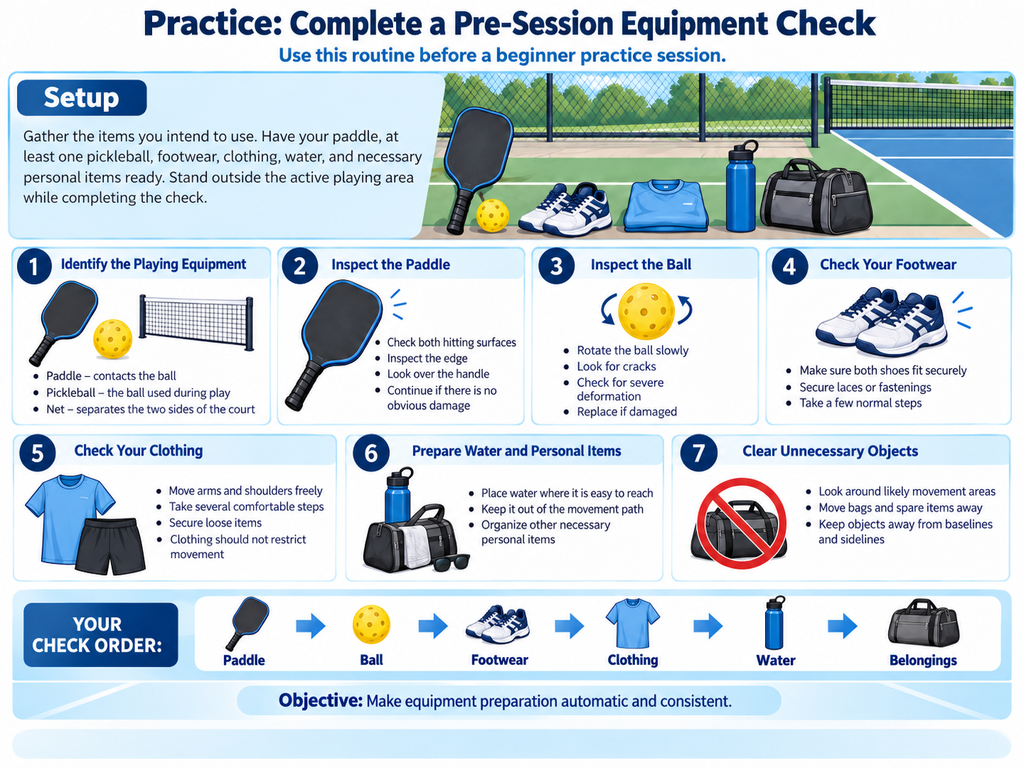
Use this activity before a beginner practice session to establish a repeatable preparation routine.
Setup
Gather the items you intend to use during the session.
Have your paddle and at least one pickleball available. Wear the footwear and clothing you plan to use. Bring your drinking water and any necessary personal items.
Stand outside the active playing area while completing the check.
Step 1: Identify the Playing Equipment
Point out or name:
- the paddle;
- the pickleball;
- the net.
Explain the basic purpose of each one.
The paddle contacts the ball. The pickleball is the ball used during play. The net separates the opposing sides of the court.
Step 2: Inspect the Paddle
Look at both hitting surfaces.
Check the edge.
Look over the handle.
Identify any obvious damage that might affect normal use.
If there is no obvious problem, continue.
Step 3: Inspect the Ball
Hold the ball and rotate it slowly.
Look for cracks.
Check whether the shape appears badly distorted or severely deformed.
Replace the ball if obvious damage is present.
Step 4: Check Your Footwear
Confirm that both shoes fit securely.
Secure the laces or other fastenings.
Take a few normal steps and make sure nothing is obviously interfering with your movement.
Step 5: Check Your Clothing
Move your arms and shoulders normally.
Take several comfortable steps.
Make sure the clothing allows unrestricted ordinary movement and that unnecessary loose items are secured.
Step 6: Prepare Water and Personal Items
Place your drinking water where you can access it without leaving it in an active movement path.
Organize any other necessary personal items.
Step 7: Clear Unnecessary Objects
Look around the area where players are likely to move.
Move bags, spare equipment, loose clothing and other unnecessary objects away from those areas.
Do not leave spare items near the baseline, sidelines or other obvious movement paths.
Progression
Repeat this same routine at the beginning of several practice sessions.
Try to complete it without needing someone to remind you of each step:
paddle → ball → footwear → clothing → water → belongings
The objective is not speed. The objective is to make equipment preparation automatic and consistent.
Success Standard
You are ready to complete this lesson when you can independently prepare the essential equipment and personal items for a beginner practice session and recognize an obvious problem that should be corrected before active play begins.
Does Better Pickleball Equipment Make a Difference?

Beginner Gear Guide
Choosing sports equipment as a beginner can be more complicated than it first appears. Stores and online marketplaces are filled with products promising more speed, power, control, comfort, or performance,…
Summary
The paddle, pickleball and net are the fundamental pieces of playing equipment. The paddle is used to contact the ball, the perforated pickleball is the ball used during play and the net separates the opposing sides of the court.
Secure footwear and practical clothing should allow normal court movement. Drinking water and necessary personal items should be prepared before activity begins, with bottles, bags and other belongings kept outside normal movement areas.
Before playing, visually inspect the paddle and ball, secure your footwear, check your clothing and organize your personal items. Replace or address obviously damaged equipment when it could affect normal or safe use.
A beginner needs functional, usable equipment and a dependable preparation routine—not an extensive collection of specialized accessories.
Previous: Understand the Pickleball Court and Its Boundaries
Next: Check the Court and Net Before Playing