
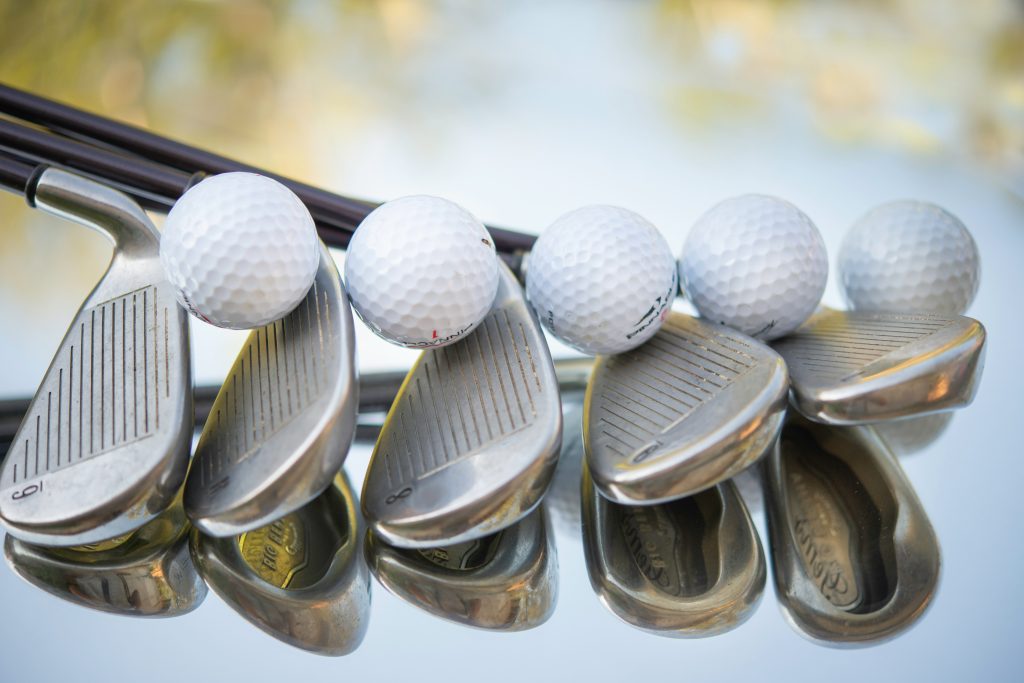
If you’re searching for the best golf clubs for beginners, focus on forgiveness, simple design, and consistent contact rather than tour-level precision.
This page recommends golf gear based on how clubs are designed to perform, not hype or trends.
For each category, you’ll see options that prioritize forgiveness, precision, or balance so you can choose what fits your game right now.
Browse By Category
Clubs
Accessories
New To Golf and Want a Beginner Guide To Golf? See our Golf Beginner Guide
New Page
Need Help Understanding Specific Golf Clubs/Gear? Check out the full guide
New Page
Everything Makes Sense Now. Time To Build Your Bag
New Page
If you’re just looking for consistency in parts of your golf game see our How to Be Consistent in Golf section
If you want to see our full golf articles browse our full Golf Article Library Our Featured Articles include like How to Stop Slicing the Golf Ball, How to Hit Irons Consistently, How to Swing a Golf Club, and How to Stop Chunking the Golf Ball
Some links on this page are affiliate links. As an Amazon Associate, I earn from qualifying purchases. This comes at no additional cost to you and helps support the site.
Tees
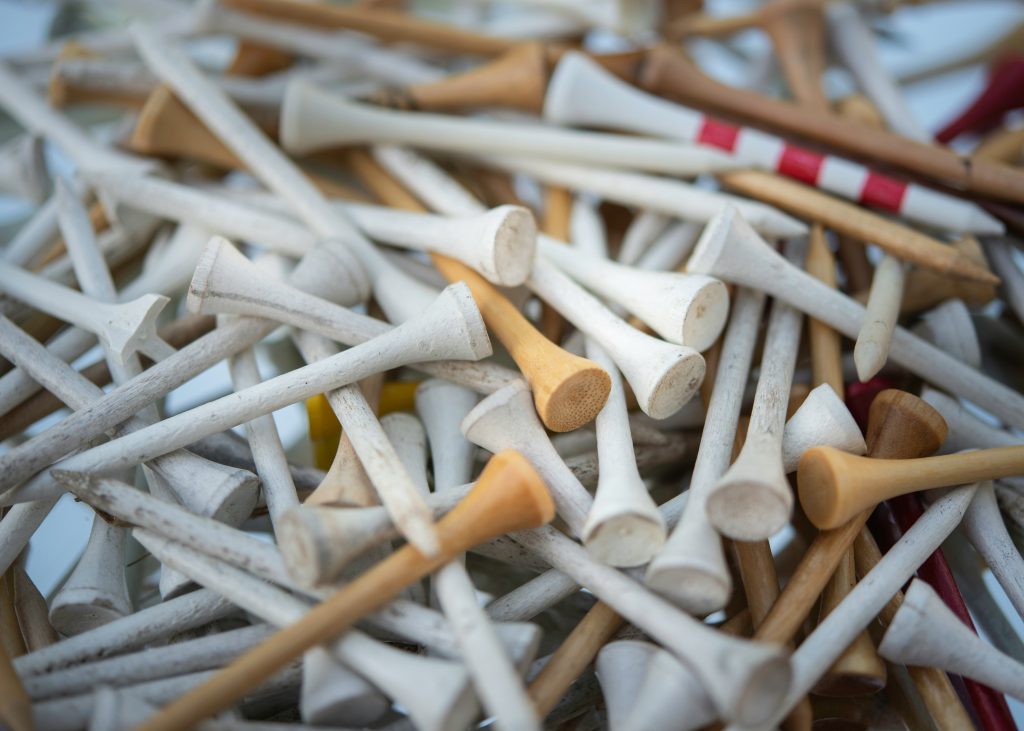
Tees only affect setup consistency, not swing quality. The differences between tee types come down to height consistency, durability, and how much control they give you over setup.
Forgiving & Simple Tees
What they do well:
- Remove decision-making
- Give consistent height by default
- Easy to use, easy to replace
These are forgiving because they don’t introduce extra variables. You tee the ball up and swing.
Where they shine:
- Beginners
- Casual rounds
- Anyone who doesn’t want to think about tee height
Tradeoff:
- Less precision if you care about exact launch conditions
Typical examples:
- Standard wooden tees
- Basic plastic tees
Technical / Precision Tees
What they do differently:
- Allow or enforce a specific tee height
- Reduce variation in setup
- Sometimes minimize friction at impact
These are more technical because they assume you already know what tee height you want.
Where they shine:
- Players dialing in driver launch
- Consistent swings
- Repeatable setups
Where they can go wrong:
- If your contact or swing changes
- If you set the height incorrectly and lock it in
Typical examples:
- Adjustable-height tees
- Rigid “launch control” tees
Best of Both Worlds
Why these exist:
Some tees try to keep things simple while still improving consistency.
They offer:
- Fixed height (no guesswork)
- Durability
- Subtle guidance without full adjustment systems
Why they work:
- Forgiving because they limit choices
- Technical because they keep setup repeatable
These are ideal if you want consistency without over-engineering.
Typical examples:
- Fixed-height plastic tees
- Fees with subtle height markers
Bottom Line on Tees
- Tees don’t fix swings
- Forgiving tees reduce thinking
- Technical tees reduce variation
- The “best” tee is the one you stop noticing during a round
Ready to pick some up?
Golf Balls

Golf balls vary based on feel, spin, and forgiveness. For most players, the biggest differences that matter are how the ball reacts on full shots vs short game spins, and how it feels on contact.
Forgiving & Simple Golf Balls
What they do well:
- Maximize distance
- Minimize excessive spin
- Hold up to mishits
- Lower price per ball
These are forgiving because they help reduce penalty from imperfect contact and inconsistent strike patterns.
Where they shine:
- Beginners
- Range practice
- Players still building consistent contact
- Players who lose balls frequently
Typical choice traits:
- Two-piece construction
- Firm but durable cover
- Designed for distance over spin
Examples of forgiving golf balls:
- Wilson Duo — Very soft feel, easy launch, affordable
- Callaway Supersoft — Low spin, forgiving trajectory
Technical / Precision Golf Balls
What they do differently:
- Emphasize spin and control
- Softer covers for better short game response
- More advanced multi-layer construction
These are more technical because they require:
- More consistent contact
- Better strike quality
- More intentional swing mechanics
They shine if you:
- Want more spin into greens
- Want softer feel on putts and chips
- Already make consistent contact
Typical choice traits:
- Multilayer design
- Urethane cover for spin
- Premium feel
Examples of technical golf balls:
- Titleist Pro V1 / Pro V1x — Excellent all-around performance
- TaylorMade TP5 / TP5x — High spin control and feel
Balanced Options
What they do differently:
- Blend distance and feel
- Moderate spin around the green
- Better feel on short shots than basic distance balls
These are good if you:
- Want some control but still value forgiveness
- Play occasionally and want a step up in feel
- Want a ball that works in multiple situations without extremes
Typical choice traits:
- Mid compression
- Slightly enhanced short game behavior
- Still not too expensive
Examples of balanced golf balls:
- Titleist TruFeel — Balanced feel with solid distance
- Srixon Soft Feel — Approachable mid-distance ball
Bottom Line on Golf Balls
- Forgiving & Simple: Distance + durability + ease of use
- Technical & Precision: Spin and feel for more controlled shots
- Balanced: Versatile play without extremes
A forgiving ball will help you keep the game moving.
A technical ball will help you fine-tune control once contact improves.
How This Helps You Choose
Instead of “best golf ball,” this shows:
- What each ball category is for
- When each is most useful
- Why players move from one to another
Looking for golf balls?
Gloves
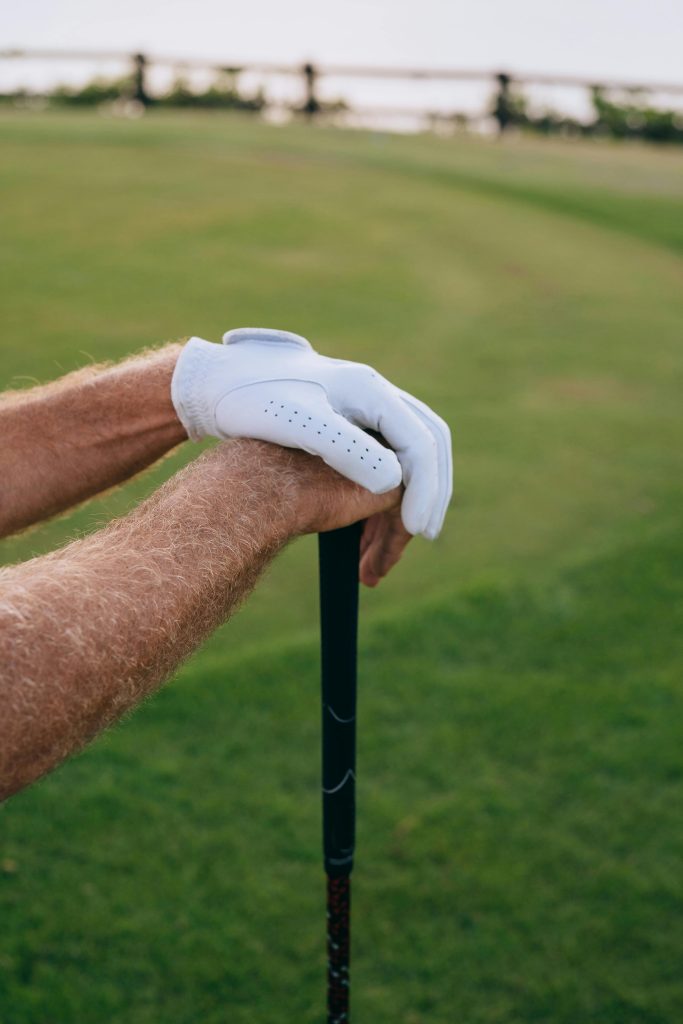
Golf gloves help grip the club consistently and reduce slippage and hand fatigue. Different gloves emphasize comfort, feel, durability, or performance. The differences matter most when you start making consistent contact and want predictable grip feel.
Forgiving & Simple Gloves
What they do well:
- Soft, forgiving feel from the first swing
- Comfortable fit for everyday play
- Durable and reliable in normal conditions
These gloves are forgiving because they:
- Stretch and conform easily
- Offer good basic grip without break-in time
- Reduce hand irritation
Where they shine:
- Beginners
- Casual players
- Golfers who want comfort over detail
Typical choice traits:
- Leather or synthetic blend
- Relaxed fit
- Focus on comfort and durability
Examples of forgiving & simple gloves:
- Titleist Players Glove — Classic feel and comfort
- FootJoy WeatherSof — Soft feel, forgiving fit
Technical & Precision Gloves
What they do differently:
- Engineered for maximum feedback and control
- Often thinner, more moldable materials
- Sometimes hybrid constructions for grip + feel
These gloves are more technical because they:
- Deliver precise tactile feedback
- Promote better hand-to-club connection
- Can improve consistency for repeatable players
Where they shine:
- Golfers with consistent swings
- Players who value feel and connection
- Those who play in varied conditions
Typical choice traits:
- Premium cabretta leather
- Enhanced grip patterns
- Moisture-management features
Examples of technical & precision gloves:
- FootJoy StaSof Feel — Softest leather feel with control
- Mizuno Elite — Premium leather and tactile feedback
Balanced Options
What they combine:
- Durability
- Comfort
- Meaningful grip performance
Balanced gloves sit between forgiving and technical. They feel good, manage moisture well, and offer consistent grip without demanding perfect mechanics.
Where they shine:
- Regular players
- Those who want performance without fuss
- People who play in varying conditions
Typical choice traits:
- Mix of materials
- Nice fit flexibility
- Reliable across conditions
Examples of balanced gloves:
- Callaway OptiColor — Good grip, breathable, durable
- TaylorMade Tour Preferred — Premium feel and balanced performance
Bottom Line on Gloves
- Forgiving & Simple: Comfort and reliable grip with minimal fuss
- Technical & Precision: Feel-first gloves that reward repeatability
- Balanced Options: Reliable performance without extremes
Glove choice won’t make or break your swing, but the right glove can make your practice and rounds feel more confident and consistent.
Looking for gloves?
Check out our basic gear section for more on tees, balls, and gloves
Many beginners find that mid-irons like a 7, 8 irons or forgiving hybrids are the easiest clubs to start with. If you’re unsure why, see our full explanation here.
→ Easiest Club to Hit for Beginners
Then come back to get the full breakdown on different clubs separated by different levels of difficulty
Drivers
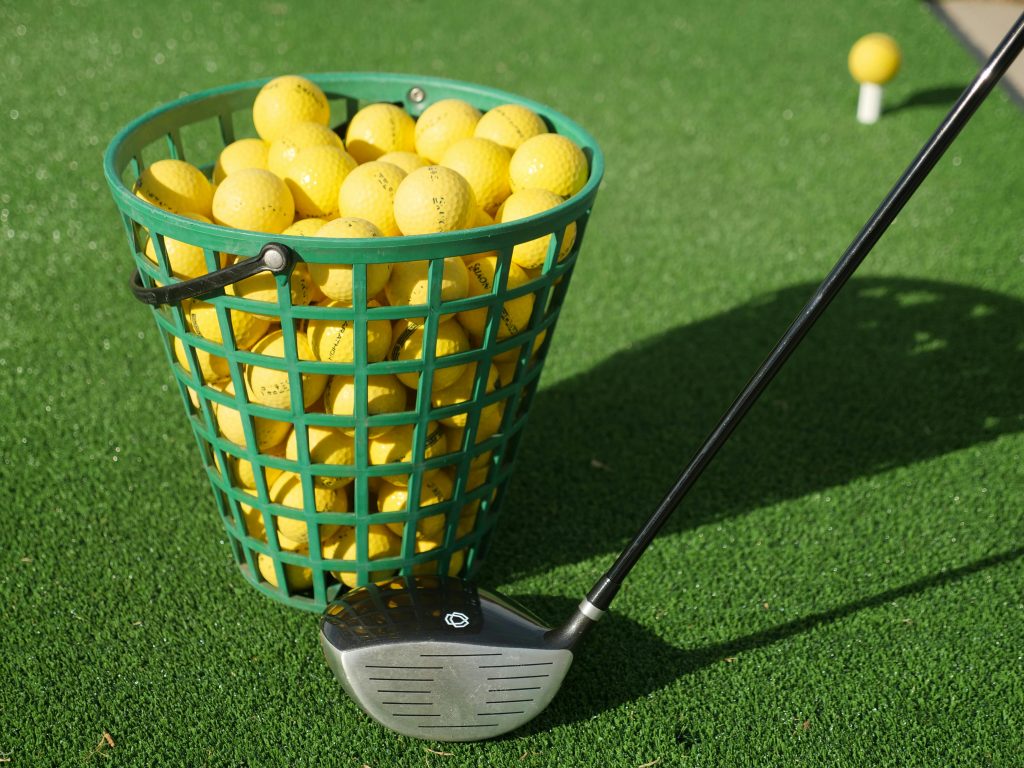
Drivers vary in how they help with launching, controlling spin, forgiveness, and consistency. The differences that matter most come down to loft, club head size/shape, shaft flex, and where weight is positioned in the head.
Forgiving & Simple Drivers
Why these are forgiving:
Forgiving drivers are designed to help you get the ball in the air and keep it in play more often, even when your contact isn’t perfect.
Key forgiving design traits:
- Higher lofts (10.5°–12° or more) that make the ball launch higher and stay in flight longer
- Larger club head profiles with more perimeter weighting
- More stable center of gravity (CG) placed to reduce side spin and promote straighter ball flight
- Graphite shafts with softer flex for easier launch at moderate swing speeds
Where they shine:
- Golfers still building swing consistency
- Players who slice or struggle to get the ball airborne
- Anyone who prioritizes keeping the ball in play
Typical traits you’ll see:
- Mid-to-high loft
- Shallow face profiles for easy launch
- Forgiving weight distribution that resists twists on off-center hits
Examples of forgiving & simple drivers:
- TaylorMade SIM2 Max – Higher loft, forgiving sweet spot
- Callaway Big Bertha B21 – Designed for straighter launch
Technical & Precision Drivers
Why these are technical:
Technical drivers give players control over spin, trajectory, and adjustability, but require more precise timing and contact.
Key technical design traits:
- Lower lofts (around 8°–10°) for penetrating flight and lower spin
- Smaller head shapes that offer workability
- Internal adjustability (movable weights, adjustable hosels)
- Stiffer shaft flex options that reward faster, repeatable swings
Where they shine:
- Players with consistent contact and higher swing speeds
- Golfers who shape shots intentionally
- Players who want finer trajectory and spin tuning
Typical traits you’ll see:
- Adjustability for loft/face angle
- Lower spin configurations
- Performance-oriented shaft options
Examples of technical & precision drivers:
- Titleist TSi3 – Focus on control and adjustability
- Ping G425 LST – Low spin, workability emphasis
Balanced Options
What balanced drivers do:
Balanced drivers aim to blend forgiveness and performance so you get decent launch and stability without sacrificing too much control.
Balanced design traits:
- Mid-range lofts (around 9.5°–10.5°) that suit a wide range of swings
- Moderate club head sizes that deliver forgiveness and manageable shaping
- Neutral CG placements that help with consistent launch and distance
- Shaft flex options that are adaptable for a variety of players
Where they shine:
- Golfers who have a basic level of consistency
- Players who want a little adjustability without complexity
- Those who want solid performance across multiple conditions
Typical traits you’ll see:
- Forgiving and stable at the same time
- Easy launch with moderate spin
- Fewer adjustments required
Examples of balanced drivers:
- Callaway Epic Max – Mix of forgiveness and distance
- Cobra Radspeed – Balanced stability and control
What Actually Matters Most For Drivers
These are the driver components that show up in all three tiers — but they behave differently depending on your needs:
Loft:
- More loft = Easier launch, higher flight, more carry
- Less loft = Lower trajectory, less spin, potentially more rollout
Club Head Size / Shape:
- Bigger and more perimeter weighting = More forgiveness
- Smaller, more compact profiles = More control
Shaft Flex & Material:
- Softer flex = Easier launch for slower/moderate speeds
- Stiffer flex = Tighter feel for faster, repeatable swings
Center of Gravity (CG):
- Back/low CG = Higher launch, more forgiveness
- Forward/center CG = Lower spin and more control
Bottom Line on Drivers
- Forgiving & Simple drivers help you get the ball airborne and stay in play more often.
- Technical & Precision drivers give tighter control and performance but ask more of the swing.
- Balanced Options are versatile and reliable for most golfers who aren’t extremes on either end.
Want more on drivers? See our driver section
Fairway Woods

Fairway woods are designed to cover long distances from the fairway or tee with more control than a driver. The biggest differences between woods come down to loft, head size/profile, shaft length, and how forgiving the head is on off-center strikes.
Most players carry a 3-wood and/or 5-wood, with higher-lofted woods becoming more popular because they’re easier to launch.
Forgiving & Simple Woods
What they do well:
- Help get the ball airborne
- Reduce punishment on mishits
- Promote higher, straighter flight
These woods are forgiving because they use higher lofts, wider soles, and deeper weight placement to help with launch and stability.
Where they shine:
- Players who struggle to launch a 3-wood
- Golfers who want consistency over maximum distance
- Use from fairway or tee
Typical design traits:
- Higher lofts (5-wood, 7-wood, or high-loft 3-wood)
- Shallow face profiles
- Wide soles that glide through turf
- Back-weighted heads for forgiveness
Examples of forgiving woods:
- Callaway Big Bertha Fairway Woods — Designed for easy launch and stability
- Cleveland Launcher XL Fairway Woods — Large head, high launch bias
- Ping G-Series Fairway Woods — Known for forgiveness and consistency
These are great if you want a wood that feels easy to hit from multiple lies.
Technical & Precision Woods
What they do differently:
Technical woods prioritize control, lower spin, and workability, often at the cost of forgiveness.
They assume:
- Consistent contact
- Intentional ball flight
- Confidence striking the ball from the fairway
Where they shine:
- Players who already launch woods easily
- Golfers shaping shots
- Players dialing in spin and trajectory
Typical design traits:
- Lower lofts (especially 3-wood)
- More compact head profiles
- Forward or adjustable weighting
- Longer shafts for speed
Where they can go wrong:
- Harder to launch from turf
- Mishits lose more distance and accuracy
Examples of technical woods:
- Titleist TSR3 Fairway Woods — Workability and spin control focus
- TaylorMade Stealth Plus Fairway Woods — Low-spin, performance-driven
- Ping LST Fairway Woods — Reduced spin with tighter dispersion
These reward clean contact but don’t hide mistakes.
Balanced Options
What balanced woods aim to do:
Blend launch assistance and forgiveness with distance and control, making them usable for a wide range of players.
Where they shine:
- Golfers with some consistency
- Players who want one dependable fairway wood
- Those improving and not wanting to “outgrow” their club quickly
Typical design traits:
- Mid-range lofts (3-wood or 5-wood)
- Moderate head size
- Neutral weighting
- Adjustable hosels without extreme tuning
Examples of balanced woods:
- TaylorMade Stealth Fairway Woods — Strong distance with playability
- Callaway Epic Max Fairway Woods — Blend of forgiveness and speed
- Cobra Aerojet Fairway Woods — Stable launch with controllable spin
These are often the safest choice if you’re unsure which direction to go.
Bottom Line on Fairway Woods
- Forgiving & Simple: Easier launch, more consistency, less punishment
- Technical & Precision: Lower spin, more control, less margin for error
- Balanced Options: Dependable performance without extremes
Higher-lofted woods are popular because they launch easier and fly more consistently, not because they go shorter. Clean contact matters more than raw loft.
Want More On Fairway Woods? See our fairway-woods section
Hybrids

Hybrids are designed to replace long irons and hard-to-hit fairway woods. The biggest differences between hybrids come down to loft, head shape, shaft length, and how much the club helps with launch and forgiveness.
They’re popular because they’re easier to launch and more forgiving than long irons, especially from imperfect lies.
Forgiving & Simple Hybrids
What they do well:
- Get the ball airborne easily
- Reduce punishment on off-center strikes
- Perform well from rough, fairway, and bad lies
These hybrids are forgiving because they use larger heads, wider soles, and back-weighted designs that help the ball launch high and stay stable.
Where they shine:
- Replacing 4-iron, 5-iron, or even 3-iron
- Players who struggle with long irons
- Golfers who want confidence from varied lies
Typical design traits:
- Higher lofts (often 4H, 5H, or 6H)
- Rounded, slightly larger clubheads
- Wider soles that glide through turf
- Back-weighted CG for easy launch
Examples of forgiving hybrids:
- Cleveland Launcher XL Halo Hybrids — Very forgiving, easy launch
- Callaway Big Bertha Hybrids — Designed for stability and height
- Ping G-Series Hybrids — Known for consistency and forgiveness
These are great if your goal is simply reliable distance without stress.
Technical & Precision Hybrids
What they do differently:
Technical hybrids focus on control, lower spin, and workability, often behaving more like compact irons or small fairway woods.
They assume:
- Consistent contact
- Intentional ball flight
- Comfort hitting down on the ball
Where they shine:
- Better players replacing long irons
- Golfers who want to shape shots
- Players managing launch and spin more intentionally
Typical design traits:
- More compact head shapes
- Flatter soles
- Neutral or forward CG
- Lower-launch, lower-spin profiles
Where they can go wrong:
- Less help on mishits
- Harder to launch for slower swing speeds
Examples of technical hybrids:
- Titleist TSR3 Hybrids — Compact, controllable design
- TaylorMade Stealth Plus Hybrids — Lower spin, performance-driven
- Ping iCrossover Hybrids — Iron-like control with hybrid versatility
These reward clean contact but don’t hide mistakes.
Balanced Options
What balanced hybrids aim to do:
Blend forgiveness and control, making them usable across many situations without locking you into extremes.
Where they shine:
- Golfers improving consistency
- Players unsure whether to go iron or hybrid
- Those wanting a versatile long-game club
Typical design traits:
- Mid-sized heads
- Neutral CG placement
- Moderate launch and spin
- Adaptable shaft options
Examples of balanced hybrids:
- Callaway Apex Hybrids — Solid blend of feel and forgiveness
- TaylorMade Stealth Hybrids — Stable launch with playability
- Cobra Aerojet Hybrids — Versatile performance and consistency
These are often the safest choice if you want one hybrid that works in many situations.
Bottom Line on Hybrids
- Forgiving & Simple: Easier launch, better from rough, more consistency
- Technical & Precision: More control, less help, better for repeatable swings
- Balanced Options: Versatile clubs that sit comfortably between irons and woods
Hybrids exist to remove difficulty, not add it and choosing the right type just determines how much help you want.
Want to learn more about hybrids? Check out our hybrid section
Irons
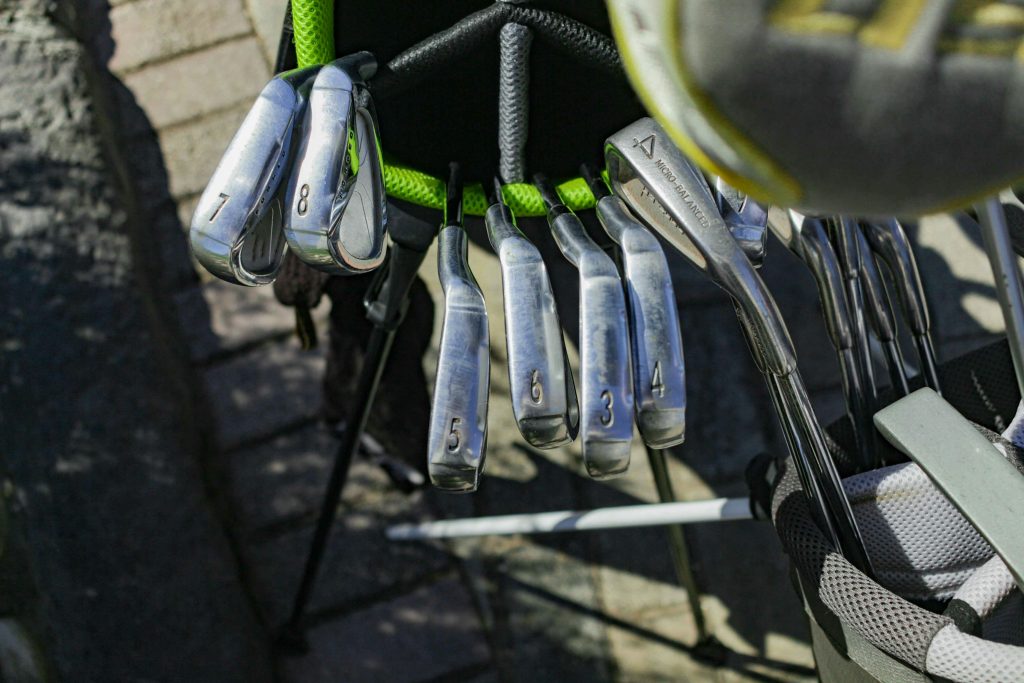
Irons vary mainly in forgiveness, launch characteristics, feel, and workability.
The biggest differences that affect performance are clubhead design (cavity back vs muscle back), perimeter weighting, center of gravity, and shaft options.
Forgiving & Simple Irons
What they do well:
These irons make it easier to:
- Launch the ball high
- Keep out of trouble
- Reduce the penalty on off-center contact
They’re forgiving because the design helps you stay in play and make consistent contact even when mechanics aren’t perfect.
Where they shine:
- Beginners
- Players who value confidence over shaping
- Anyone who wants more help getting the ball airborne
Key design traits:
- Perimeter weighting
- Lower and deeper center of gravity
- Wide soles
- Cavity-back or game-improvement head shapes
Examples of forgiving irons:
- Callaway Big Bertha B21 Irons — Maximum forgiveness and easy launch
- Cleveland Launcher XL Halo Irons — High launch + forgiving shape
- TaylorMade Stealth Irons (Game Improvement) — Forgiving design with easy launch
These are great if you want irons that rarely punish you for contact that isn’t perfect.
Technical & Precision Irons
What they do differently:
These irons prioritize shot control, workability, and feel over outright forgiveness. They often reveal subtle swing differences — which is great if your contact is already consistent.
Where they shine:
- Better players with repeatable strikes
- Golfers who shape shots intentionally
- Anyone who wants precise distance control
Key design traits:
- Muscle-back or compact head shapes
- Thinner top lines
- Less perimeter weighting
- Lower launch bias
- Shafts tuned for feedback
Examples of technical & precision irons:
- Mizuno MP-20 Irons — Classic blade feel with precise feedback
- Titleist T-Series (T100 / T150) — Player’s irons with control focus
- Ping Blueprint Irons — Forged with player-centric design
These irons reward solid mechanics and make it easier to shape shots because they don’t compensate as much for imperfections.
Balanced Options
What balanced irons do:
Balanced irons blend forgiveness and control.
They’re the middle ground more approachable than pure technical irons, but more playable and responsive than “maximum forgiveness” sets.
Where they shine:
- Intermediate players
- Golfers who want some forgiveness without losing ball-flight control
- Players improving consistency and looking for next-level performance
Key design traits:
- Cavity-back or hollow-body designs tuned for both launch and feel
- Moderate perimeter weighting
- Tuned center of gravity for playable flight
Examples of balanced irons:
- Callaway Apex DCB Irons — Solid balance of forgiveness and feel
- TaylorMade P790 Irons — Forgiving yet responsive
- Cobra Aerojet Irons — Mid-flight launch with good feedback
These are often called “players’ distance irons” performance oriented but still friendly.
What Actually Matters Most in Irons
Here’s what separates these tiers in practice:
Forgiveness comes from:
- Wide soles
- Perimeter weighting
- Low/deep center of gravity
- Cavity-back construction
Precision / Feel comes from:
- Compact heads
- Minimal perimeter weighting
- Forged construction
- Thinner toplines
Balanced options aim for:
- Middle-of-the-road characteristics
- Stable performance with sensible forgiveness
- Decent feedback without being punishing
Bottom Line on Irons
- Forgiving & Simple: Designed to help ball launch and stay in play even on imperfect contact
- Technical & Precision: Designed for players who want feedback and control over every shot
- Balanced Options: Blend forgiveness and feel for adaptable performance
Want to learn more about irons before making your decision? Check out our irons section
Wedges
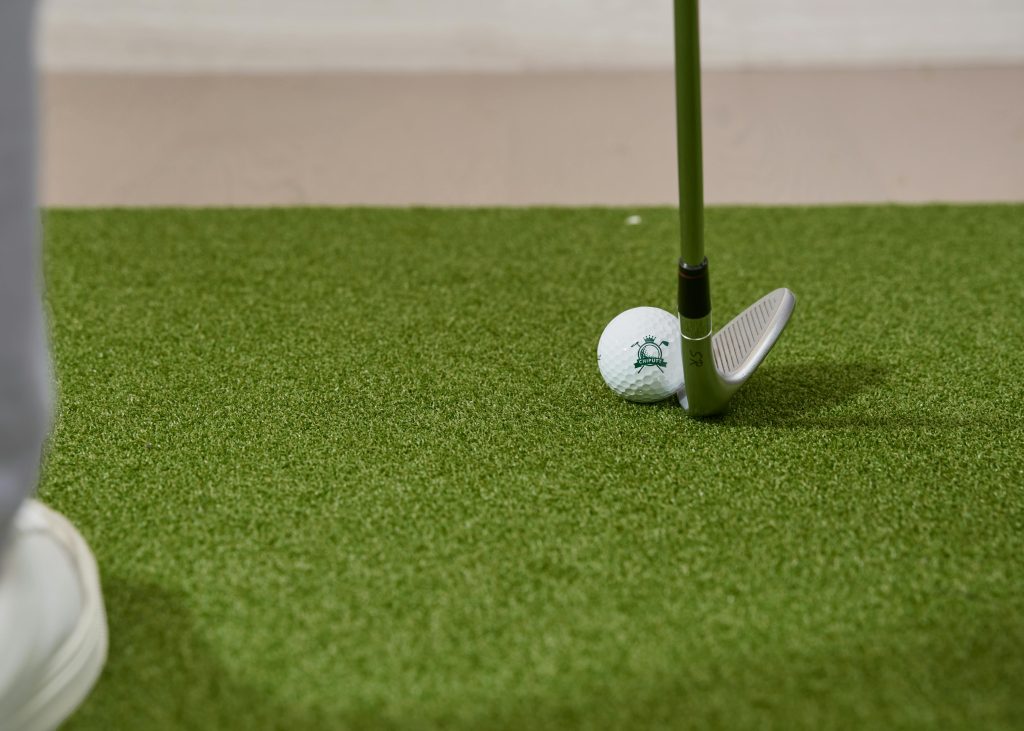
Wedges are designed for shorter distances, control, and touch around the green. The main differences between wedges come down to loft, bounce, sole design, and how much feedback the club gives you.
Most players carry multiple wedges to cover different distances and shots.
Forgiving & Simple Wedges
What they do well:
- Make solid contact easier
- Reduce digging into the turf
- Perform well on basic chips and pitch shots
These wedges are forgiving because they use wider soles, higher bounce, and cavity-back or game-improvement designs to help the club glide through turf instead of digging.
Where they shine:
- Beginners
- Players still learning distance control
- Golfers who struggle with fat or thin shots
Typical design traits:
- Higher bounce
- Wider soles
- Cavity-back or game-improvement heads
- More stable feel through impact
Examples of forgiving wedges:
- Cleveland CBX Wedges — Cavity-back design for forgiveness
- Callaway Mack Daddy CB Wedges — Easier contact and launch
- Ping Glide CB Wedges — Stable and confidence-inspiring
These are ideal if you want wedges that help you get the ball on the green with less stress.
Technical & Precision Wedges
What they do differently:
Technical wedges prioritize spin, shot versatility, and feedback, but require cleaner contact and better technique.
They’re built for players who:
- Manipulate face angle
- Control trajectory
- Use the wedge creatively
Where they shine:
- Golfers comfortable hitting partial shots
- Players who open and close the clubface
- Those who want maximum short-game control
Typical design traits:
- Thinner toplines
- Multiple sole grind options
- Lower bounce options available
- Forged construction for feel
Where they can go wrong:
- Punish poor contact
- Dig easily if bounce/grind doesn’t match swing
Examples of technical wedges:
- Titleist Vokey SM Series — Extensive grind and loft options
- TaylorMade MG Series — High spin and shot control
- Mizuno T-Series Wedges — Soft forged feel and precision
These reward skill but don’t cover up mistakes.
Balanced Options
What balanced wedges aim to do:
Provide spin and feel without being overly demanding. These sit between forgiving cavity-back wedges and tour-style blades.
Where they shine:
- Intermediate players
- Golfers improving short-game consistency
- Players who want reliable performance without complex grinds
Typical design traits:
- Moderate bounce
- Slightly compact heads
- Simpler sole designs
- Good blend of forgiveness and feedback
Examples of balanced wedges:
- Callaway JAWS Raw Wedges — Strong spin with playable forgiveness
- Cobra Snakebite Wedges — Versatile design with solid feel
- Wilson Staff Model Wedges — Clean look with approachable performance
These are often the safest choice if you want wedges you won’t outgrow quickly.
Bottom Line on Wedges
- Forgiving & Simple: Help prevent digging and inconsistent contact
- Technical & Precision: Maximize spin and shot variety but demand accuracy
- Balanced Options: Reliable feel and control without complexity
Wedges don’t need to be complicated choosing the right type matters more than chasing spin numbers.
Want to learn more on wedges? Check out our wedges section
Putters
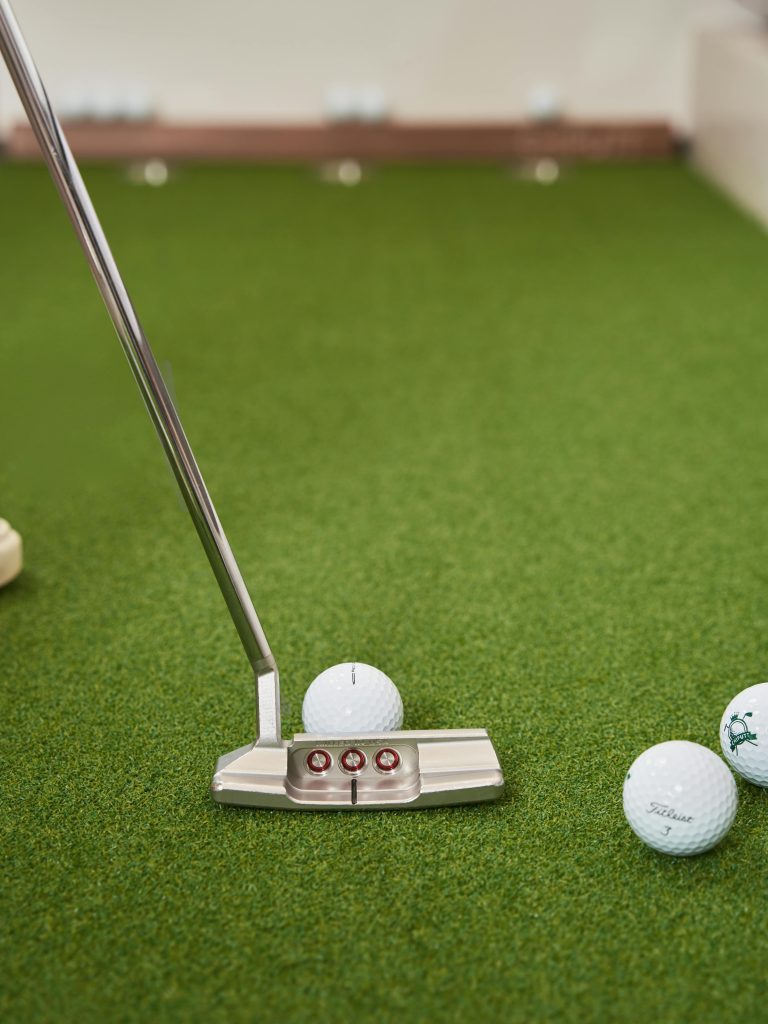
Putters vary in how they help with alignment, stability, and feel. The biggest design differences involve head shape, weighting, alignment aids, and balance style all of which affect how easy it is to start the ball on your intended line.
Unlike full-swing clubs, putters are all about control and confidence.
Forgiving & Simple Putters
What they do well:
Forgiving putters help square the face consistently and reduce the harm of slight mis-strikes. They’re designed for players who want straightforward alignment and stability, without needing to shape or manipulate the stroke.
Where they shine:
- New golfers or casual players
- Players who want confidence at address
- Golfers who prefer a simple line and straightforward setup
Typical design traits:
- Wider mallet heads
- Perimeter weighting
- Strong alignment aids
- Face balance
Examples of forgiving putters:
- Odyssey White Hot OG #1 (Mallet) — Classic forgiving design with easy alignment
- Ping Vault 2.0 Hammer (Mallet) — Stable and balanced for straighter rolls
- TaylorMade Spider X (Mallet) — High forgiveness with strong alignment visuals
These help keep the face square and reduce twisting even on less-than-perfect speed.
Technical & Precision Putters
What they do differently:
Technical putters prioritize feel, feedback, and nuance. They’re typically favored by players with consistent putting strokes who want precise distance control and subtle alignment feedback.
Where they shine:
- Players with repeatable, smooth strokes
- Golfers focused on feel and distance control
- Players who read greens and adjust their aim intentionally
Typical design traits:
- Blade or compact mallet shapes
- Softer or precision-tuned inserts
- Minimal or subtle alignment clues
- Toe-hang or specific balance profiles
Examples of technical putters:
- Scotty Cameron Special Select Newport (Blade) — Iconic precision and feedback
- Titleist Scotty Cameron Phantom X (Compact Mallet) — Precision feel with defined feedback
- Mizuno M.CRAFT Series (Blade) — Forged feel with tactile feedback
These putters reward delicate touch and benefit from consistent stroke mechanics.
Balanced Options
What balanced putters do:
Balanced putters blend control, forgiveness, and alignment — offering a middle ground between “easy setup” and “precision feel.” These are excellent for players who want all-around performance without extremes.
Where they shine:
- Regular players without extreme stroke tendencies
- Golfers who want confidence and feel
- Players who want fewer misses on short putts
Typical design traits:
- Mid-sized mallet heads
- Balanced perimeter weighting
- Clear but not overwhelming alignment cues
Examples of balanced putters:
- Odyssey Stroke Lab One (Mallet) — All-around performance with alignment support
- TaylorMade Spider Tour X (Mallet) — Stable and approachable without being “beginner-only”
- Cleveland Frontline Putters — Balanced feel with perimeter forgiveness
Balanced putters help bridge ease of use and consistent roll quality.
What Actually Matters in Putters
Putters don’t have loft, length, or spin in the same way full-swing clubs do. What matters most are:
- Alignment aids — Lines/dots that help your eyes start the ball on line
- Head shape — Blade for feedback, mallet for stability
- Balance style — Face-balanced tends to suit straighter strokes; toe-hang fits arcing strokes
- Insert or face technology — Affects feel and roll quality
- Shaft length & hand position — Affects posture and consistency
None of these fix your putting, but the right one makes repetitive motion and confidence much easier.
Bottom Line on Putters
- Forgiving & Simple: Stability and alignment first
- Technical & Precision: Feel and control first
- Balanced Options: Dependable performance with less compromise
Putters are as personal as shoes what’s most important is that the putter feels right at address and inspires confidence in aim and roll.
Want to learn more before you make a putter decision? Check out our putters section
Accessories
Accessories don’t change how clubs perform, but they make rounds easier, cleaner, and less frustrating. These are quality-of-life items, not requirements, and most golfers add them gradually over time.
Towels
What they’re for:
- Cleaning clubfaces
- Drying grips
- Wiping golf balls
A towel is one of the most useful items you can carry. Clean contact starts with clean grooves.
What to look for:
- Microfiber material
- Clip or loop for attaching to a bag
- Absorbent but not bulky
Why they help:
- Better contact
- More consistent spin
- Cleaner grips throughout a round
Brushes & Groove Cleaners
What they’re for:
- Removing dirt and grass from grooves
- Quick clean between shots
- Maintaining club performance
What to look for:
- Dual-sided bristles (soft + firm)
- Retractable or bag-clip designs
Why they help:
- Cleaner grooves = more predictable ball flight
- Quicker cleanup without slowing play
Ball Retrievers
What they’re for:
- Retrieving balls from water or hard-to-reach spots
Why golfers carry them:
- Saves money
- Avoids risky reaches
- Useful on courses with water hazards
These are purely optional, but practical if you play near ponds or creeks.
Divot Tools & Ball Markers
What they’re for:
- Repairing ball marks on greens
- Marking ball position on the putting surface
Why they matter:
- Good etiquette
- Protects course conditions
- Required at many courses
Simple tools that quietly make you look like you know what you’re doing.
Rangefinders & Golf Course Apps
Distance is one of the biggest decisions you make every swing. Rangefinders and golf-course apps take the guesswork out of yardages so you can focus on shot planning instead of yard markers.
Both tools serve the same purpose, getting accurate distance, but they go about it in different ways:
Laser / Optical Rangefinders
What they do:
These handheld tools use a laser to measure the exact distance to a flag, tree, or hazard.
Why golfers use them:
- Precise distance to target, hazard, or layup
- Consistent yardages every time
- No internet or subscription required
When they shine:
- On courses without GPS yardage markers
- When you want the exact number to a specific point
- When course maps aren’t available
Typical traits to look for:
- Clear optics
- Slope compensation (optional feature)
- Locking flag distance
- Compact size
Example rangefinders:
- Bushnell Tour V5 Shift — Laser precision + slope tech
- TecTecTec VPRO500 — Excellent value and accuracy
- Nikon Coolshot (various models) — Reliable optics and distance accuracy
These are hardware that help you make smarter club choices.
Golf Course Apps & GPS Tools
What they do:
Apps use GPS and course mapping to give you distance to:
- Front/center/back of the green
- Hazards and bunkers
- Layup spots
- Score tracking
They work on your phone (or smartwatch), and many include extras like:
- Scorecards
- Shot tracking
- Club recommendations
- Round history
Why golfers use them:
- No extra hardware needed
- Up-to-date course maps worldwide
- Many apps have free tiers
- Some work offline
Popular golf apps:
- 18Birdies — GPS distances, scorecards, and game tracking
- Golfshot — Detailed hole views and distances
- TheGrint — GPS + handicap tracking
- GolfLogix — Pin placements and green maps
Apps tend to be less precise than a laser to the flag, but they’re enormously useful for overall course management.
Course management is one of the biggest non-swing improvements you can make.
Instead of guessing:
“Is that bunker 140 or 150?”
You know:
“It’s 153 to the front, 138 to the bunker”
That confidence leads to better club selection and fewer surprises.
Alignment Aids
What they’re for:
- Helping with aim during practice
- Reinforcing consistent setup
These are best used:
- On the range
- During practice sessions
- Not relied on during rounds
They’re useful learning tools, not permanent crutches.
Bottom Line on Accessories
- Accessories are about convenience, not performance
- None are mandatory
- Most golfers build these up over time
- A few simple items go a long way
This section exists to help you play more comfortably.
If you’re looking for accessories to get started here are the ones we went over:
Check Prices on Amazon