
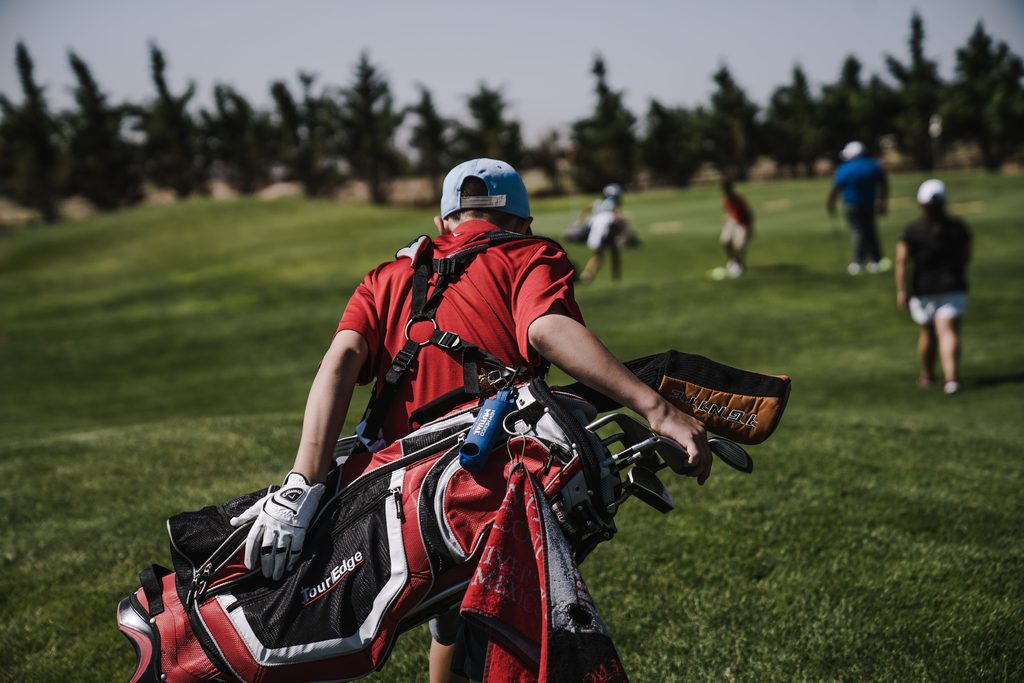
Your first round of golf is much easier when you arrive with the essentials packed and ready. You do not want to discover on the first tee that you are short on golf balls, nor do you want changing weather to turn an enjoyable round into an uncomfortable one.
Knowing what to bring for your first round of golf is mainly about practical preparation. Your clubs and balls matter, but so do comfortable clothing, water, sun or rain protection, and a few small accessories that are easy to overlook.
The best approach is to prepare the day before rather than rushing around shortly before your tee time.
Preparing the Day Before
Start by confirming your tee time, the scheduled time when your group is expected to begin the round. Check the course name as well, particularly if the facility has more than one course.
Then check the weather forecast for the hours you expect to be playing. Golf leaves you exposed to the conditions for an extended period, and the weather at the beginning of a round may be different from what you experience several hours later. Temperature, rain, wind, and sun exposure can all affect what you should pack.
Check the golf course’s website or contact the facility if you are unsure about its dress requirements. Dress codes vary. Some courses are relaxed, while others require golf-style shirts or place restrictions on certain clothing.
The day before your round is also a good time to:
- • Charge your phone, GPS device, or smartwatch if you plan to use one.
- • Put your golf equipment together in one place.
- • Fill or prepare a water bottle if appropriate.
- • Pack weather protection.
- • Confirm how long it will take to reach the course.
- • Make sure you have the identification or payment method you may need at check-in.
A few minutes of preparation can prevent several small problems from appearing at once on the morning of your round.
Clubs and Golf Bag
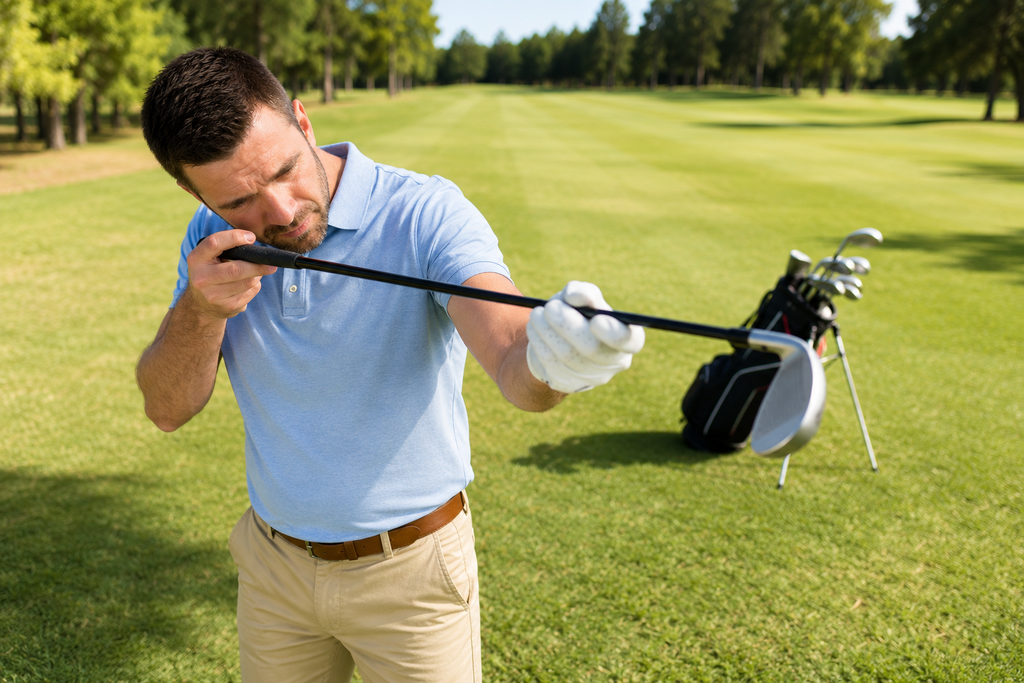
Before leaving home, physically check your golf bag rather than assuming everything is already there.
Make sure the clubs you intend to use are actually in the bag. If you are borrowing or renting clubs, confirm those arrangements in advance rather than assuming a set will be available when you arrive.
Also inspect the bag itself. Check that zippers close, pockets are usable, and straps are secure if you will be carrying it. A stand bag should open and stand properly, while a bag being used on a cart should still be organized well enough that you can reach what you need without searching through every pocket.
There is little benefit in filling the bag with equipment you are unlikely to use. Extra gear adds weight and clutter, particularly if you are walking.
If you need a refresher on the equipment itself, review Golf Equipment for Beginners and Understanding Golf Clubs and What Each Club Does.
Golf Balls
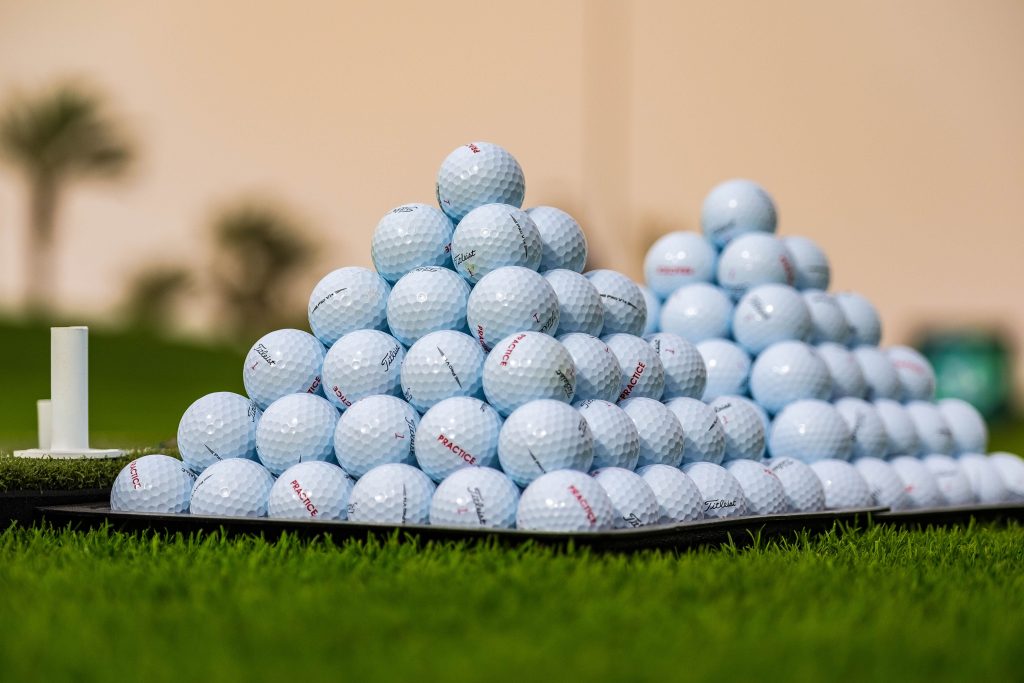
Bring more than one golf ball.
Beginners commonly lose balls because shots can finish in deep rough, trees, penalty areas, or places where finding the ball is difficult. Carrying extras means a lost ball does not become a logistical problem.
There is no single number that every beginner must carry because the course and golfer make a difference. A tight course with heavy rough or numerous penalty areas may produce more lost balls than a wide, open course. For a first round, however, bringing a generous supply is more practical than trying to finish with only two or three balls in the bag.
Used golf balls in playable condition are perfectly suitable for a beginner. Losing an expensive premium ball does not improve the learning experience.
Mark Your Golf Balls
Put a small identifying mark on your golf balls with a permanent marker before playing.
Several golfers in the same group may be using the same brand and model of ball. A simple dot, line, initials, or another distinctive mark makes yours easier to identify.
This small preparation step becomes particularly useful when two balls finish near each other.
Did you know?
Golf Balls Were Once Made of Feathers! Early golf balls, called “featheries,” were made by stuffing wet feathers into a leather pouch. As they dried, the feathers expanded, making the ball firm. These hand-crafted balls were expensive and didn’t last long—thankfully, modern golf balls are much more durable!
Tees and Small Accessories
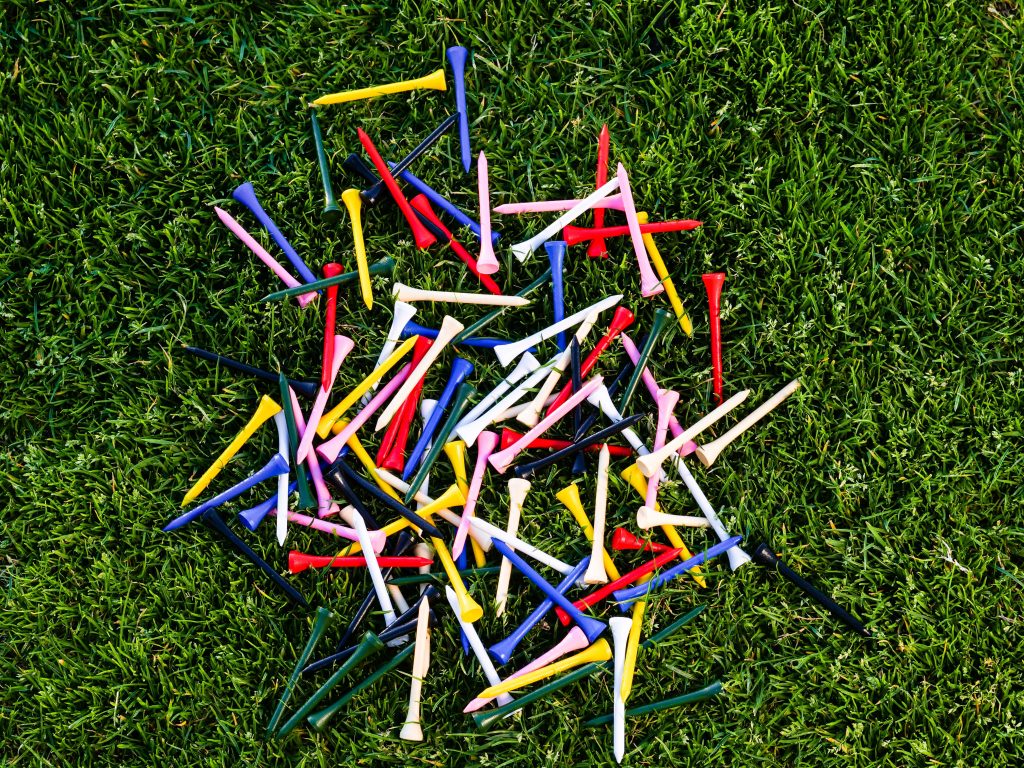
A handful of inexpensive accessories can make the round considerably more convenient.
Bring:
- • Golf tees: Carry several because tees can break or disappear during the round.
- • Ball marker: A small flat object used when your ball needs to be marked on the putting green.
- • Divot repair tool: Used to help repair ball marks on the putting green.
- • Pencil: Useful for completing a paper scorecard if one is not already provided.
- • Golf towel: Helpful for cleaning clubs, wiping a golf ball when appropriate, and dealing with moisture or dirt.
Keep frequently used items somewhere easy to reach. If your tees are buried underneath clothing, snacks, and miscellaneous accessories, you will repeatedly have to search through the bag during the round.
Some small golf accessories have already been introduced in Golf Equipment for Beginners. The practical point on round day is simply to make sure they are packed and accessible.
Clothing and Footwear
Choose clothing that lets you move comfortably and meets the course’s requirements.
Depending on the facility and conditions, that may include golf trousers, shorts, or another permitted option along with an appropriate shirt. Clothing should allow unrestricted movement rather than feeling tight when you bend, walk, or swing.
Choose Comfortable Shoes
A first round can involve several hours on your feet, particularly if you walk the course.
Golf shoes can provide useful traction, but comfortable athletic shoes may be suitable where the course permits them. Whatever you wear, avoid making your first round the first time you spend several hours in uncomfortable new footwear.
If conditions are likely to be wet, traction and water resistance become more important. Wet grass can make poor footwear both uncomfortable and slippery.
A spare pair of socks takes up very little room and can be extremely useful if your feet get wet.
Bring a Hat When Appropriate
A hat or visor can help with sun exposure and glare. It can also make bright conditions more comfortable when you are looking toward distant targets.
The goal is not to dress like an experienced golfer. It is to meet the course requirements and remain comfortable enough that your clothing does not become a distraction.
Sun and Weather Protection
Golf exposes you to the weather for much longer than a short outdoor activity, so pack according to the forecast rather than simply looking outside before leaving home.
Sunscreen
Apply sunscreen before the round and bring more if you may need to reapply it. Remember exposed areas such as the face, ears, neck, arms, and legs.
Cloud cover does not necessarily eliminate sun exposure, so sunscreen can still be sensible on bright overcast days.
Sunglasses
Sunglasses can reduce glare and make long periods outdoors more comfortable. Choose a pair that stays secure when you move and does not interfere with your vision when addressing the ball.
Rain Protection
If rain is possible, consider bringing:
- • An umbrella
- • A lightweight waterproof or water-resistant jacket
- • Additional clothing appropriate for the expected temperature
- • A spare towel
- • Spare socks
Wet grips and hands can make holding the club securely more difficult, so a towel becomes particularly valuable in damp conditions.
Extra Layers
Temperatures can change considerably during a round. An early tee time may begin in cool conditions and become much warmer later, while an afternoon round may finish in cooler evening air.
A light layer that can be added or removed is usually more practical than being committed to one heavy piece of clothing for the entire round.
Food and Hydration
Bring enough water to remain hydrated during the round, especially in hot or humid conditions.
A round of golf can keep you outside for several hours. Even when riding in a golf cart, you will still be walking, swinging, standing in the sun, and moving around the course.
Waiting until you feel very thirsty is not a good hydration plan. Having water readily available makes it easier to drink regularly.
Small, easy-to-carry snacks can also be useful. Foods that are simple to eat between holes and do not create a mess in the golf bag are generally the most practical.
Before packing your own food or drinks, check the facility’s policies. Some golf courses restrict outside food or beverages or have specific rules about what may be brought onto the property.
Personal Items
Golf equipment is not the only thing worth checking before you leave.
Depending on the facility and your personal needs, bring:
- • Phone
- • Wallet
- • Identification
- • Payment method
- • Keys
- • Necessary medication
- • Other essential personal items
Keep valuables to a minimum. A golf bag moves around frequently during a round and may be placed on a cart, carried, or left outside certain areas of the clubhouse. There is little reason to bring expensive personal belongings that have no purpose during the day.
If you keep your phone with you, make sure it is secure and protected from rain.
Optional Technology
Technology can be useful on a golf course, but it is not necessary for completing your first round.
Common options include:
GPS App
A golf GPS app can provide distance information and help you understand where you are on the course. If you plan to use one, install it beforehand and make sure the course is available in the app.
Rangefinder
A laser rangefinder measures distance to a selected object, commonly the flagstick. It can be useful, but a beginner does not need to purchase one simply to play a first round.
Smartwatch
Some GPS-enabled watches can display golf-course distances without requiring you to repeatedly handle a phone.
If you use electronic devices, charge them before leaving home. Continuous GPS use can consume battery power faster than normal phone use, so beginning the round with a nearly depleted battery defeats much of the benefit.
Technology should make preparation and play more convenient, not create another task you have to manage.
What Not to Bring
Being prepared does not mean filling every pocket of the golf bag.
Avoid packing large amounts of equipment that you do not understand or expect to use. An overloaded bag becomes particularly noticeable if you are walking.
You also do not need a collection of training aids for a normal round. The course is not the ideal place to carry multiple practice devices or turn every poor shot into an equipment experiment.
Limit unnecessary valuables as well. Expensive jewelry, electronics you will not use, and other nonessential items create something else to keep track of.
A useful packing question is simple:
Will I realistically need this while I am at the golf course?
If the answer is no, it can probably stay at home.
When to Arrive
Do not plan to pull into the parking lot at your scheduled tee time.
Your tee time is when your group is expected to start playing, not when you are expected to arrive at the facility.
You need enough time to park, take out your equipment, check in, locate the appropriate starting area, and deal with any unexpected delay. You may also want time for a short warm-up.
For many first-time golfers, arriving roughly 30-45 minutes before the tee time is a practical target. Course procedures vary, however, and some facilities may ask players to check in or report to the starting area a specific amount of time in advance.
If you have never visited the course, allowing additional time is sensible. Large golf facilities can have separate parking areas, clubhouses, practice facilities, and starting locations that are not immediately obvious to a first-time visitor.
Arriving early removes the need to rush. It also gives you time to solve a forgotten-item or check-in problem before it affects the rest of your group.
For a complete explanation of what happens once you arrive and begin playing, review How a Round of Golf Works from Start to Finish.
Final First-Round Checklist
Use this checklist before leaving home:
Golf Equipment
- ☐ Clubs and golf bag
- ☐ Extra golf balls
- ☐ Marked golf balls
- ☐ Golf tees
- ☐ Ball marker
- ☐ Divot repair tool
- ☐ Pencil
- ☐ Towel
Clothing
- ☐ Course-appropriate clothing
- ☐ Comfortable golf or athletic shoes
- ☐ Hat or visor
- ☐ Spare socks if useful
Weather Protection
- ☐ Sunscreen
- ☐ Sunglasses
- ☐ Rain jacket if needed
- ☐ Umbrella if needed
- ☐ Extra layer for changing temperatures
Food and Hydration
- ☐ Water
- ☐ Appropriate snacks
- ☐ Course food-and-drink policy checked
Personal Items
- ☐ Phone
- ☐ Wallet
- ☐ Identification
- ☐ Payment method
- ☐ Necessary medication or personal essentials
Optional Technology
- ☐ GPS app
- ☐ Rangefinder
- ☐ Smartwatch
- ☐ Devices charged
Before You Leave
- ☐ Tee time confirmed
- ☐ Weather checked
- ☐ Dress requirements checked
- ☐ Travel time checked
- ☐ Plan to arrive early
Key Takeaways
- • Prepare and pack the day before so forgotten items do not create unnecessary stress on the day of your round.
- • Bring your clubs, enough golf balls, tees, a ball marker, divot repair tool, pencil, and towel, while leaving unnecessary equipment at home.
- • Dress for both the golf course and the forecast, and prepare for changing sun, rain, and temperature conditions.
- • Carry water and suitable snacks, while checking the course’s policies regarding outside food and beverages.
- • Plan to arrive well before your tee time so you have enough time to check in, organize your equipment, and get ready without rushing.
With your equipment packed and your practical preparations complete, you are ready to move beyond getting ready for golf and begin building the physical setup that supports a repeatable swing. The next module starts with How to Hold a Golf Club: The Beginner Golf Grip.
Previous: Understanding Golf Clubs and What Each Club Does >>>
Next: How to Hold a Golf Club: The Beginner Golf Grip >>>