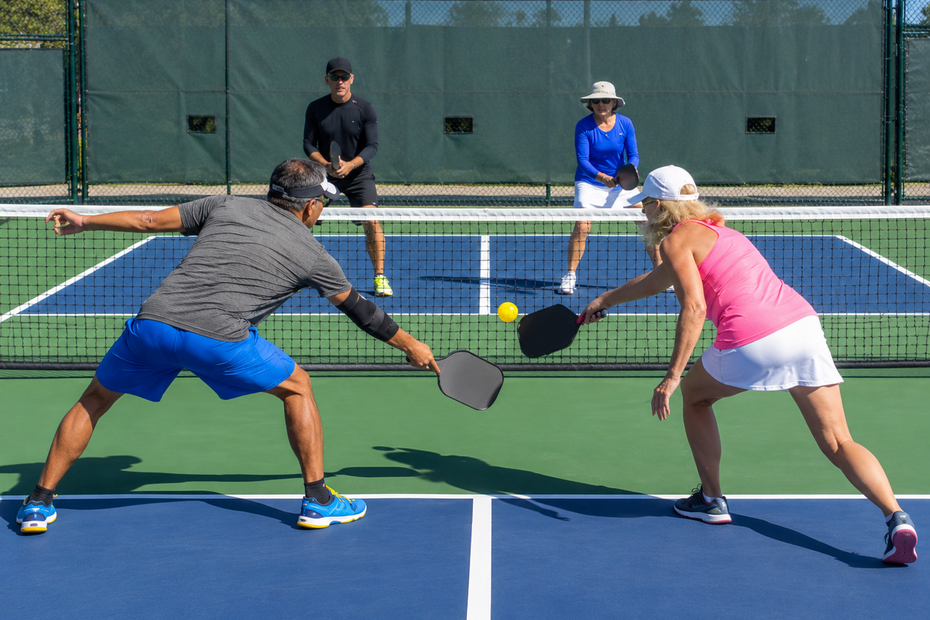
Advanced Pickleball Doubles Positioning and Court Coverage
Improve advanced pickleball doubles positioning with smarter court coverage, coordinated movement, middle control, and effective defensive rotations.

Improve advanced pickleball doubles positioning with smarter court coverage, coordinated movement, middle control, and effective defensive rotations.
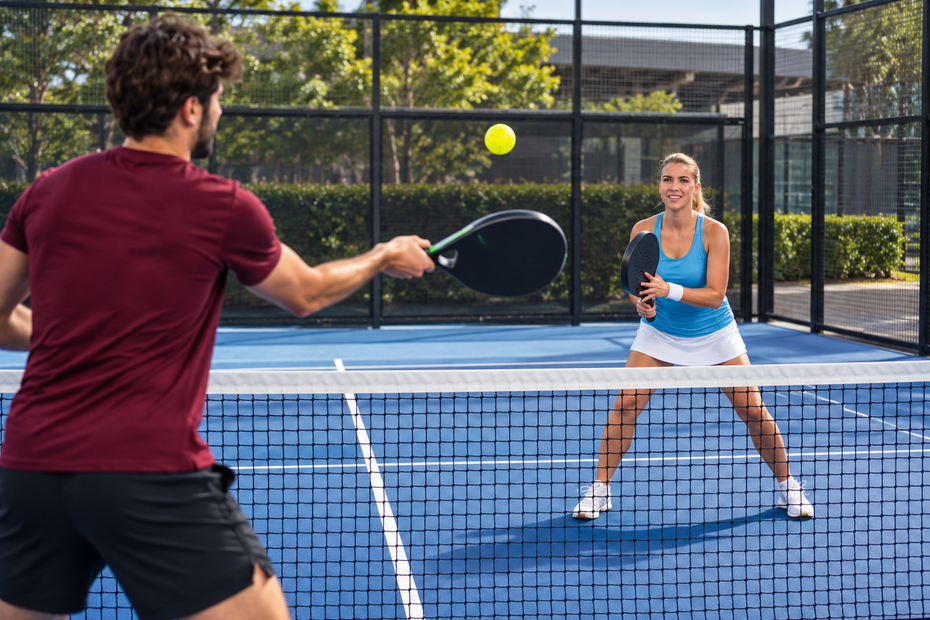
Competitive pickleball often involves long exchanges of controlled dinks near the non-volley zone. Both teams attempt to keep the ball low while waiting for an opportunity to gain an advantage. When the right ball arrives, a well-timed increase in pace can change the rally immediately.
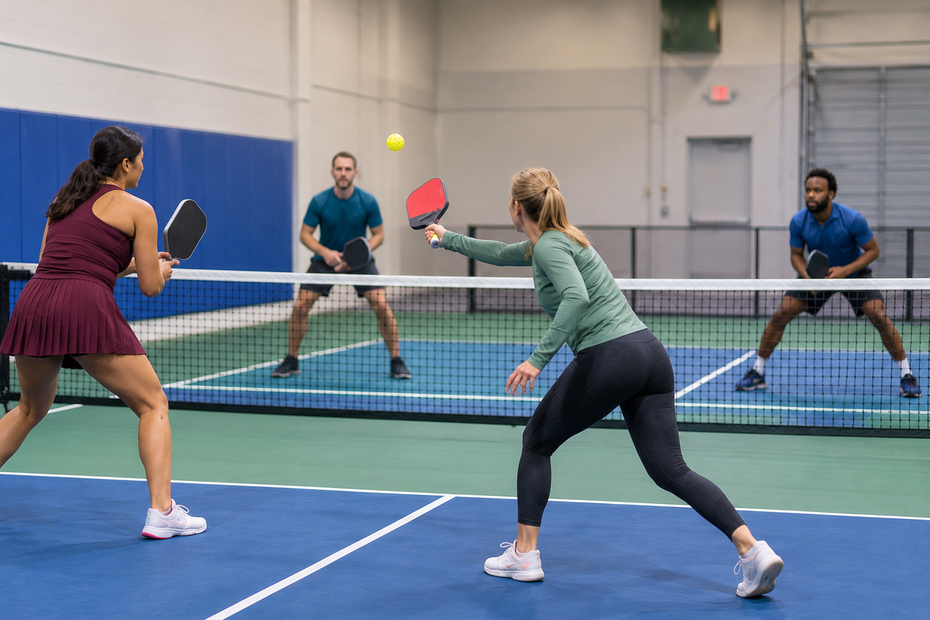
Master pickleball transition zone strategy with smarter movement, controlled resets, and tactical positioning to reach the kitchen under pressure.
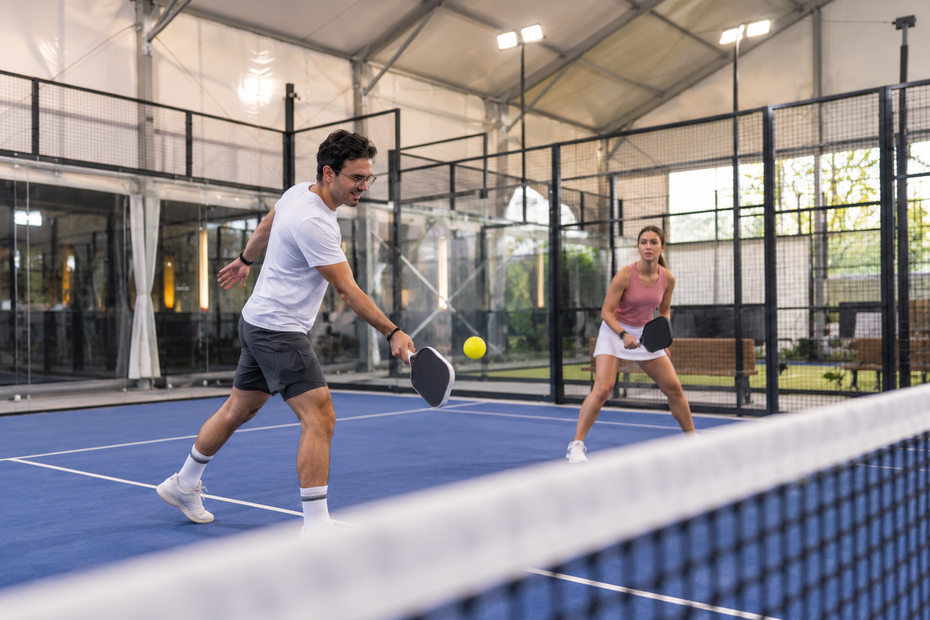
Improve your advanced pickleball dinking strategy with smarter placement, controlled pressure, patient rallies, and better attacking decisions.
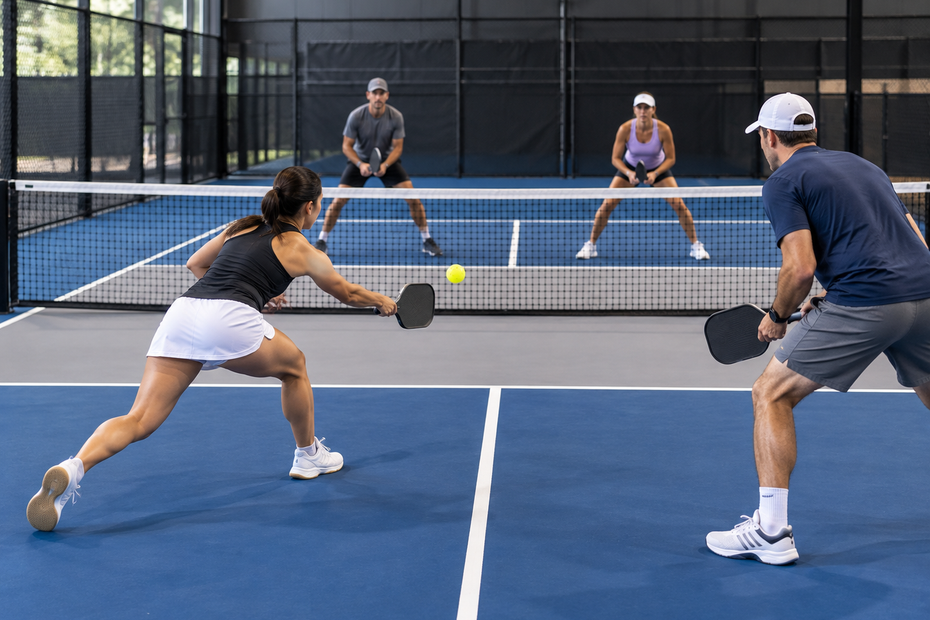
Learn how to use pickleball reset shots to neutralize fast attacks, regain control in the transition zone, and improve your defensive consistency.
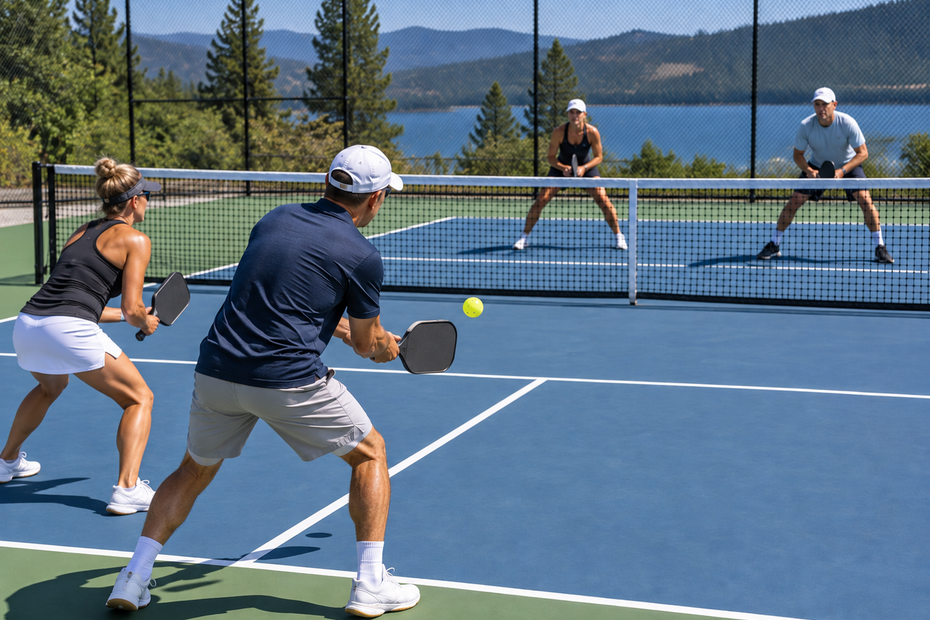
Learn when to use a third shot drop vs third shot drive in pickleball, based on return depth, opponent positioning, shot selection, and strategy.
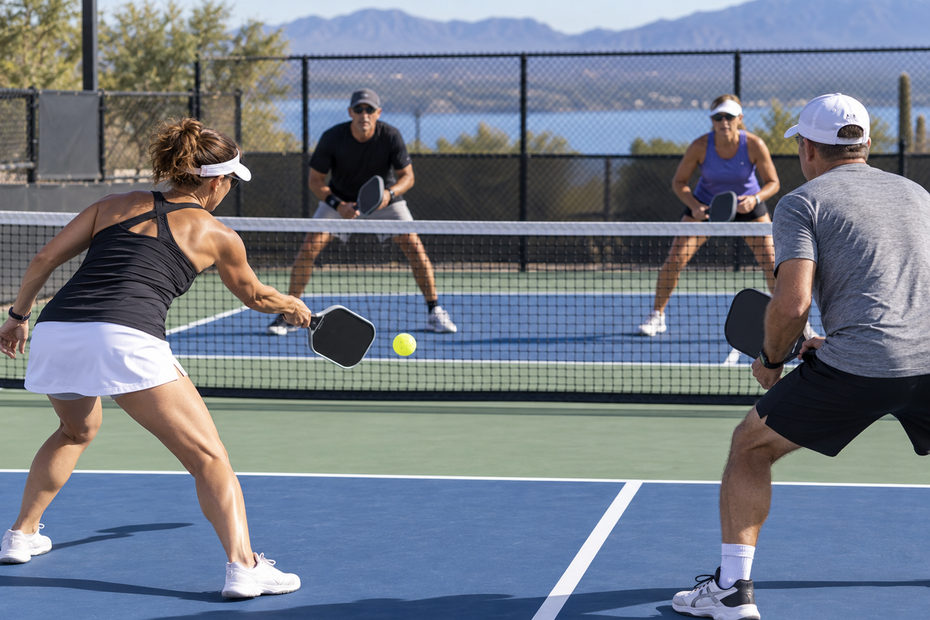
Winning competitive pickleball points requires more than accurate shots, quick reactions, and powerful attacks. Experienced players understand how to influence an opponent’s position, limit their available responses, and create opportunities before attempting a winning shot. Effective advanced pickleball strategy involves constructing rallies with a clear
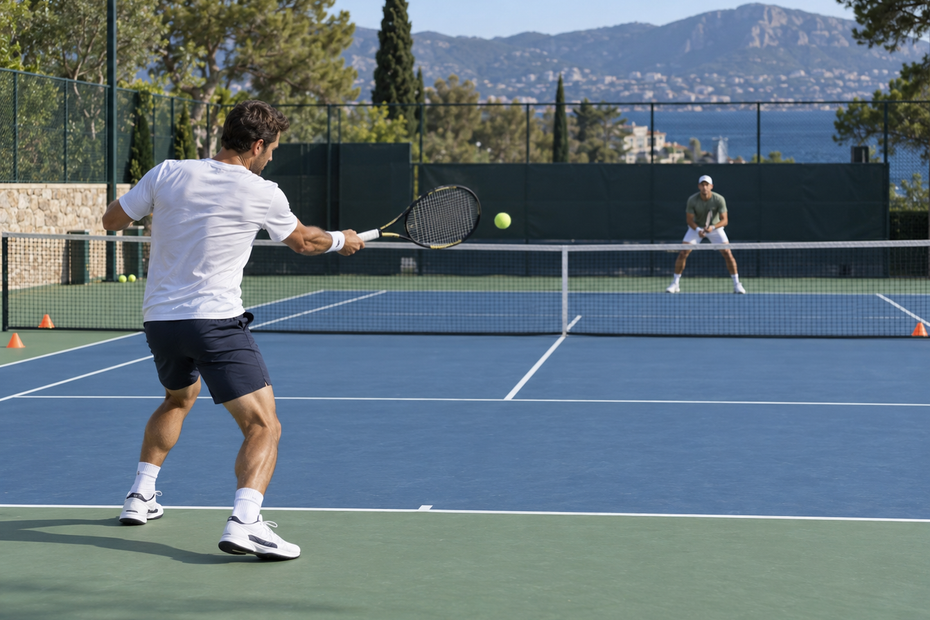
Advanced tennis players often spend considerable time practicing their serves, groundstrokes, volleys, and movement. However, technical improvement does not always translate directly into better match results. A player may perform consistently during controlled drills but struggle to execute the same skills against an opponent who
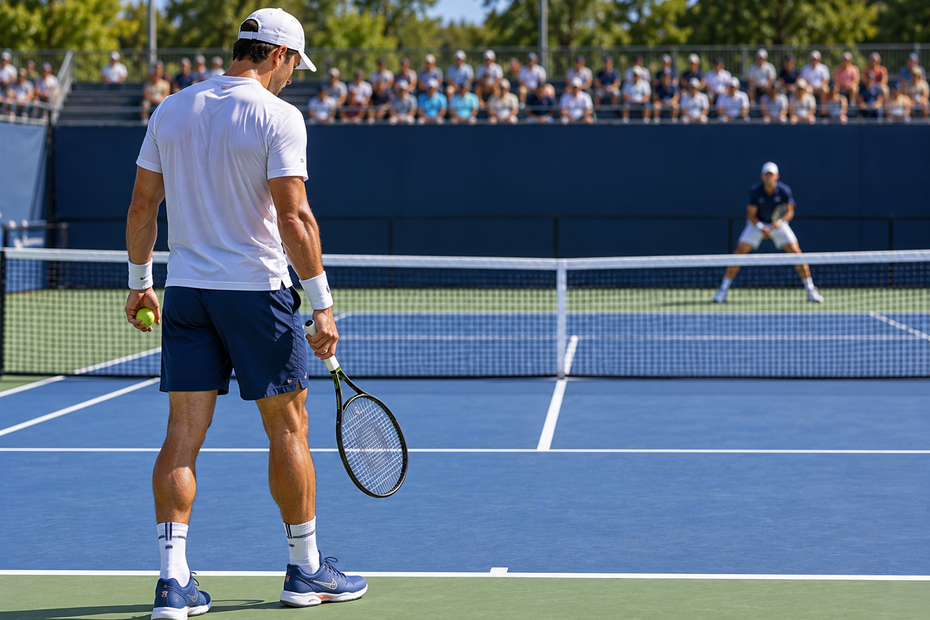
Competitive tennis challenges more than a player’s physical skills. Even experienced players can struggle to perform consistently when facing break points, losing several games in succession, or trying to close out a match. A technically reliable serve may become less dependable under pressure, while frustration
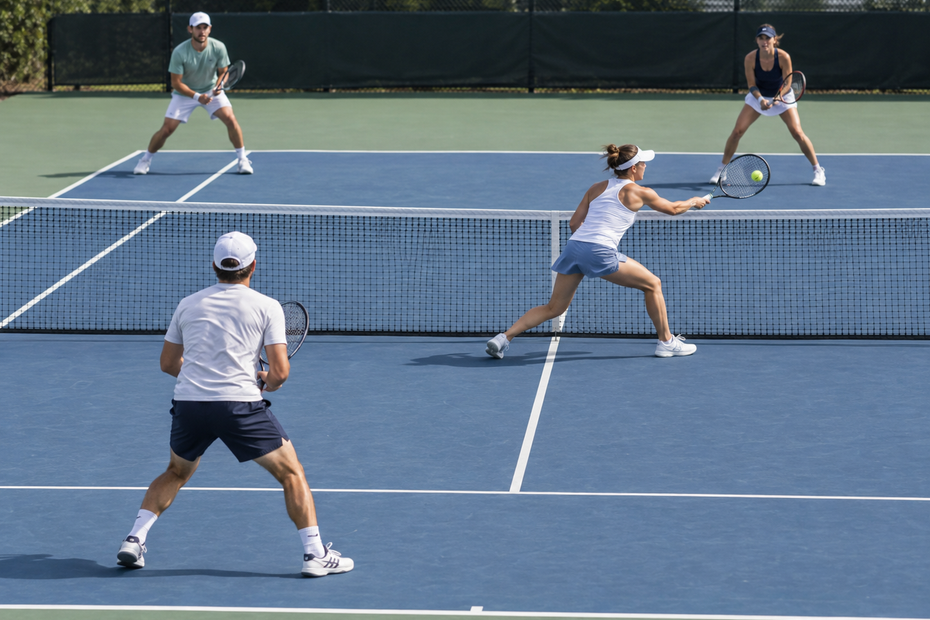
Competitive doubles tennis demands more than dependable serves, returns, and volleys. At advanced levels, players must coordinate their movements, influence the opponent’s return choices, and create pressure through positioning before the ball even crosses the net. Teams that consistently control the middle of the court